
Planning a safari in Maasai Mara is a once-in-a-lifetime decision — and the options can feel overwhelming. Between hundreds of camps, different conservancies, changing park fees, and seasonal wildlife movements, it’s easy to book something that looks great online but doesn’t match your expectations or budget in reality.
Key Takeaways
Begin with the range of Maasai Mara safari packages, then refine the trip around what matters most to you.
- The right Maasai Mara safari starts with your dates, wildlife priorities, comfort level, and available time.
- Migration season brings big crowds and premium prices; green and shoulder months can offer exceptional value and quieter sightings.
- Compare camp location, fees, guiding, transfers, and included activities—not headline price alone.
This guide breaks down, in plain language, how to choose the best Maasai Mara safari for your travel style, dates, and budget. You’ll learn when to go, where to stay, how much to spend, which operator to trust, and the key questions to ask before you book — so you can enjoy a smooth, unforgettable holiday with a reputable local expert like Seremara Safaris (https://kenyaholidaysafaris.com).
Understand What “Best Maasai Mara Safari” Really Means
There is no single “best” safari for everyone. The best Maasai Mara safari for you depends on a mix of:
- Season & wildlife goals (Migration vs calmer, quieter months)
- Budget level (group vs private, road vs fly-in)
- Travel style (romantic, family, photography, adventure)
- Time available (quick 3-day escape vs longer Kenya circuit)
Before you look at specific packages, get clear on your priorities. This will help you filter through marketing promises and focus on what truly matters.
Ask yourself:
- Do I want Great Migration river crossings, or am I happy with excellent resident game viewing?
- Do I value luxury accommodation more, or longer days in the park?
- Am I more interested in Big Five and big cats, birding, photography, family fun, or culture with the Maasai?
Once you know your goals, you can match them to the right season, area, camp type, and safari style.
Choose the Right Time of Year for Your Maasai Mara Safari
Great Migration vs Year-Round Game Viewing
The Maasai Mara National Reserve and surrounding private conservancies offer excellent wildlife all year, but the experience changes by month.
If the herds are your priority, see our guide to the best wildebeest migration safaris and timing before locking in your dates.
-
July — October (Peak Migration & High Season)
- Huge herds of wildebeest and zebra cross from Tanzania’s Serengeti into the Mara.
- Possibility of dramatic Mara River crossings with crocodiles and predators.
- Park is busiest, prices highest, and new 2024+ park fees are at their peak.
-
January — March (Green Season, Calving & Big Cats)
- Short rains create lush landscapes and excellent light for photography.
- Good predator action as big cats hunt young and weaker animals.
- Fewer crowds and lower park fees than peak migration months.
-
April — early June & November (Shoulder / Rainy Seasons)
- Heavier rains in April–May; some tracks muddy, but views can be stunning.
- Lowest rates, best value, and fewer vehicles.
- Great if you prioritize budget and tranquility over migration drama.
How New Park Fees Affect “Best Time to Go”
From 2024 onwards, Maasai Mara National Reserve fees increased significantly, especially in peak season.
Recent guidance shows:
- High season (July–December): about \$200–\$236 per adult per 24 hours in the main reserve.
- Low season (January–June): about \$100–\$118 per adult per 24 hours.
That means a 3-day / 2-night safari in peak migration months can include \$400+ in park fees alone per adult, before accommodation or transport.
If budget is tight but you still want superb wildlife, January–March or shoulder months can be your sweet spot.
Ready to see the Mara your way?
Explore safari packages built around the timing, comfort level, and wildlife experience you want:
- Maasai Mara Safari Packages — choose a trip shaped around your ideal dates and game-viewing goals.
- 3-Day Maasai Mara Safari — a smart, focused option when you have limited time.
- Browse all Kenya Safari Packages — find the perfect fit for your trip.
Decide Between Main Reserve vs Private Conservancies
Where you stay in the greater Maasai Mara ecosystem has a huge impact on your experience and cost.
For a closer look at the destination itself, read our Maasai Mara National Reserve guide.
Maasai Mara National Reserve
-
Pros
- Iconic landscapes and river crossings at the Mara and Talek rivers.
- Extremely high densities of big cats and resident herbivores.
- Classic wide-open savannah scenes most people picture from documentaries.
-
Cons
- Can be busy, especially around crossings in August–September.
- Strict park rules: no off-road driving, no night drives, limited activities beyond game drives.
- New, higher park fees increase total safari cost in peak season.
Private & Community Conservancies (e.g. Mara North, Olare Motorogi, Naboisho, Ol Kinyei)
-
Pros
- Lower vehicle densities, more exclusive feel, and excellent predator sightings.
- Off-road driving (within camp rules), night game drives, and walking safaris allowed.
- Strong focus on community and conservation; fees support local Maasai landowners.
-
Cons
- Usually more expensive per night than basic lodges outside the park.
- You may need longer drives to reach the main river crossing points (depending on location).
- Conservancy fees come on top of any days spent in the main reserve.
Outside the Park, Along the Borders
Some budget and mid-range camps sit just outside the official reserve gates:
- Pros: Cheaper accommodation, easy access to the reserve for game drives, good for value-conscious travelers.
- Cons: You pay the full reserve entry fee each day you enter, and you cannot do off-road or night drives in the reserve.
If your goal is Migration river crossings and classic “BBC documentary” scenes, a camp with easy access to Mara River sectors of the main reserve makes sense.
If you prefer fewer vehicles, more activities, and a more exclusive feel, look seriously at conservancies, even if the per-night rate is higher.
Match the Safari Style to Your Budget
Knowing the realistic price ranges will help you choose a package that matches your expectations and avoid unpleasant surprises.
Use our Kenya safari cost guide to compare inclusions and set a realistic per-person budget.
Group vs Private Safaris
-
Group Safari (Shared Vehicle)
- Great for solo travelers or strict budgets.
- A 3-day Maasai Mara group camping safari typically costs about \$600–\$750 per person all-in.
- Less flexibility on schedule; you share game drive decisions and timings with others.
-
Private Safari (Private Vehicle & Guide)
- More personalized; you control pace, sightings, and stops.
- A 7-day mid-range private Kenya safari (including Mara plus other parks) can cost \$3,000–\$4,000 per person.
- Excellent for couples, families, photographers, or anyone wanting full flexibility.
Budget, Mid-Range, and Luxury in the Mara
Recent pricing guides for Kenya safaris, including Maasai Mara, show approximate daily costs per person including accommodation, park fees, vehicle, guide, and meals:
-
Budget group safaris:
- About \$150–\$250 per person per day on group tours with basic camping or simple lodges.
-
Budget private safaris:
- Around \$250–\$350 per person per day for a private vehicle with simple but decent accommodation.
-
Mid-range private safaris:
- Roughly \$400–\$600 per person per day, with comfortable tented camps or lodges, often inside parks or conservancies.
-
Luxury safaris:
- Can reach \$1,000–\$1,200+ per person per day, especially for high-end fly-in itineraries in top Mara camps.
Accommodation-only rates in the Mara reflect this spread, especially in peak season:
- Inside the Reserve: about \$400–\$800+ per person per night for mid to high-end lodges in peak months.
- Outside the Reserve: about \$70–\$500 per person per night depending on category.
When comparing packages, check carefully what’s included:
- Park and conservancy fees
- Game drives (how many per day, shared vs private)
- Transfers from Nairobi (road or flying)
- Extra activities (balloon, village visit, walking safaris, night drives)
A company like Seremara Safaris (https://kenyaholidaysafaris.com) typically offers multiple tiers (budget, mid-range, luxury) and can adjust itineraries to match your comfort level and price point.
Choose Road vs Fly-In — Comfort, Time, and Cost
How you get to the Maasai Mara shapes your overall experience.
If time is tight, compare the benefits of a Kenya safari with flights before choosing a road transfer.
Road Safaris from Nairobi
-
Drive time: About 5–6 hours from Nairobi via the Great Rift Valley, depending on road and traffic.
-
Pros:
- Lower cost than flying, especially for groups.
- Scenic journey with viewpoints along the Rift Valley.
- More flexibility to combine with other parks en route (e.g., Lake Nakuru or Naivasha).
-
Cons:
- Long day on the road; can be tiring, especially with children.
- Some sections can be bumpy.
Road safaris are common for 3–5 day Mara trips and classic Kenya circuits, and are often the best value for money.
Fly-In Safaris (Nairobi — Mara Airstrips)
-
Flight time: About 45 minutes from Nairobi to various Mara airstrips.
-
Pros:
- Fast and comfortable; maximizes time on safari, not on the road.
- Beautiful aerial views of the Rift Valley and savannah.
- Ideal for short, high-end stays or for combining multiple parks by air.
-
Cons:
- Higher total cost, especially for families and larger groups.
- Strict baggage allowance (usually 15–20 kg in soft bags).
Luxury and upper mid-range packages often use fly-in transfers; some 4–7 day itineraries combine road in, fly out for a balanced experience.
Pick the Right Length: How Many Days in Maasai Mara?
You can technically visit the Mara in 2 days, but that often feels rushed. Current safari operators and travel planners typically recommend:
-
3 Days / 2 Nights
- Minimum for a satisfying trip if you’re short on time.
- Usually 2–3 game drives; good chance of seeing the Big Five in the Mara.
-
4 Days / 3 Nights
- Excellent balance of travel time and game viewing.
- More relaxed pace; morning and afternoon drives plus downtime at the camp.
-
5–7 Days
- Ideal for serious wildlife lovers, photographers, or those combining Mara Reserve + conservancy stays, or visiting during the Migration.
- Allows you to explore different areas and increase your chances of seeing river crossings and rarer species.
If you’re also visiting Amboseli, Lake Nakuru, Naivasha, or Samburu, a 7–10 day Kenya circuit with 3–4 nights in the Mara works very well.
Understand Key Activities — Beyond Standard Game Drives
Almost all Maasai Mara safaris include shared or private game drives. The “best” safari for you may also include extra experiences:
Classic Sunrise & Sunset Game Drives
- Early morning and late afternoon are prime wildlife and photographic times.
- Look for itineraries that include at least two game drives per full day in the Mara.
Full-Day Game Drives with Bush Lunch
- Ideal in Migration season when you want to wait patiently near river crossing points.
- Less pressure to rush back for lunch; you stay with the action longer.
Hot Air Balloon Safari
- One of the most iconic experiences in the Mara: 1-hour dawn flight over the plains, followed by a bush breakfast.
- Often costs \$450–\$600 per person as an add-on, depending on operator and season.
- Book early in peak season — limited spaces and high demand.
Maasai Village Visit
- Typical visit fees are \$30–\$50 per person, including contribution to the community.
- A chance to learn about Maasai culture, daily life, and traditions.
Night Drives & Walking Safaris (Conservancies Only)
- Not allowed in the main national reserve, but permitted in many private conservancies.
- Night drives may reveal nocturnal species like aardvark, bush babies, and active predators.
- Guided walks offer a closer look at tracks, plants, and smaller creatures.
When comparing safaris, check which of these are included or optional, and whether they take place inside the reserve or in a conservancy.
Assess Camps and Lodges: What Really Matters
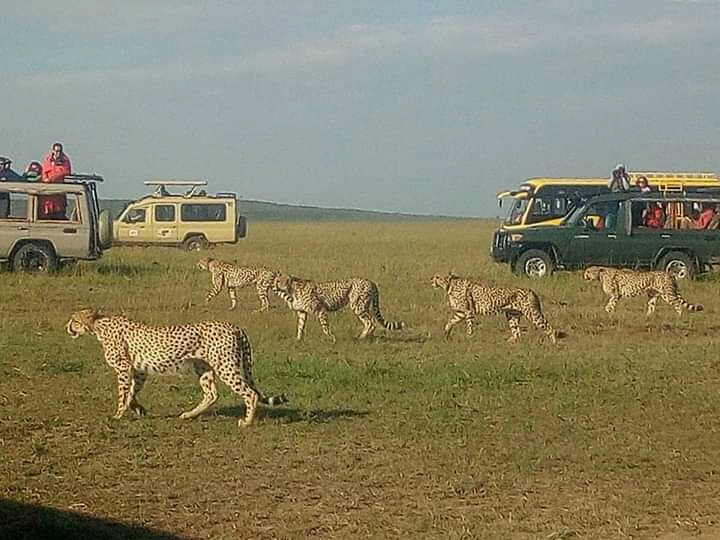
Hundreds of camps and lodges operate in and around the Maasai Mara. Recent “best Mara camps” lists for 2026 emphasize a few key factors when choosing where to stay:
Not sure whether a camp or lodge fits you better? Compare luxury tented camps and safari lodges in Kenya before you decide.
Location, Location, Location
- Proximity to Mara River or known predator territories is crucial in Migration season.
- Camps in conservancies usually offer more secluded, less crowded sightings.
- Being inside the reserve saves time each day, as you avoid gate queues and driving from outside.
Size & Atmosphere
- Small tented camps (8–15 tents):
- Intimate, often excellent guiding, and a “close to nature” feel.
- Larger lodges:
- More facilities (pools, spas, kids’ clubs), good for families and groups.
Style and Comfort Level
- Budget / Adventure: Simple tents or basic rooms, usually with en-suite bathroom but fewer frills.
- Mid-Range: Comfortable tented camps with good beds, hot water, and solid food; ideal for most travelers.
- Luxury: Large, stylish tents or suites, gourmet dining, pools, often in top wildlife areas and conservancies.
Guiding & Vehicle Quality
- A great guide can transform your safari.
- Look for operators that emphasize experienced, silver- or gold-rated guides and well-maintained 4×4 vehicles rather than basic minivans, especially for off-road conservancy drives.
Sustainability and Community Impact
- Many of the top camps in the Mara have strong commitments to eco-friendly practices and supporting Maasai communities through employment and land lease fees.
- Choosing such camps helps ensure your safari has a positive long-term impact.
If you’re unsure which camp fits you best, working with a local specialist like Seremara Safaris (https://kenyaholidaysafaris.com) allows you to describe your preferences and let experts suggest options they know personally.
Check the Operator’s Reputation and Safety Standards
Your safari is only as good as the team behind it. When evaluating operators:
Look for Licensing and Local Expertise
- Reputable Kenyan companies are registered locally and often members of national tourism associations.
- Local operators tend to know camp managers, seasonal wildlife patterns, and road/flight realities better than generic global booking sites.
Read Recent Reviews (Last 12–18 Months)
- Focus on reviews that mention:
- Quality of guides and vehicles
- Handling of unexpected issues (weather, delays, medical needs)
- Transparency on costs and itinerary changes
Health, Safety & Vehicle Standards
- Check that the company uses reliable 4×4 vehicles and employs trained driver-guides.
- Confirm they offer or can arrange evacuation cover (e.g., air rescue membership) in case of emergencies.
Payment Security and Clarity
- Ask for clear invoices that break down:
- Park/conservancy fees
- Accommodation costs
- Transfers and flights
- Optional extras
- Be cautious of offers far below the market norm — extremely cheap packages often cut corners on safety, fees, or guiding quality.
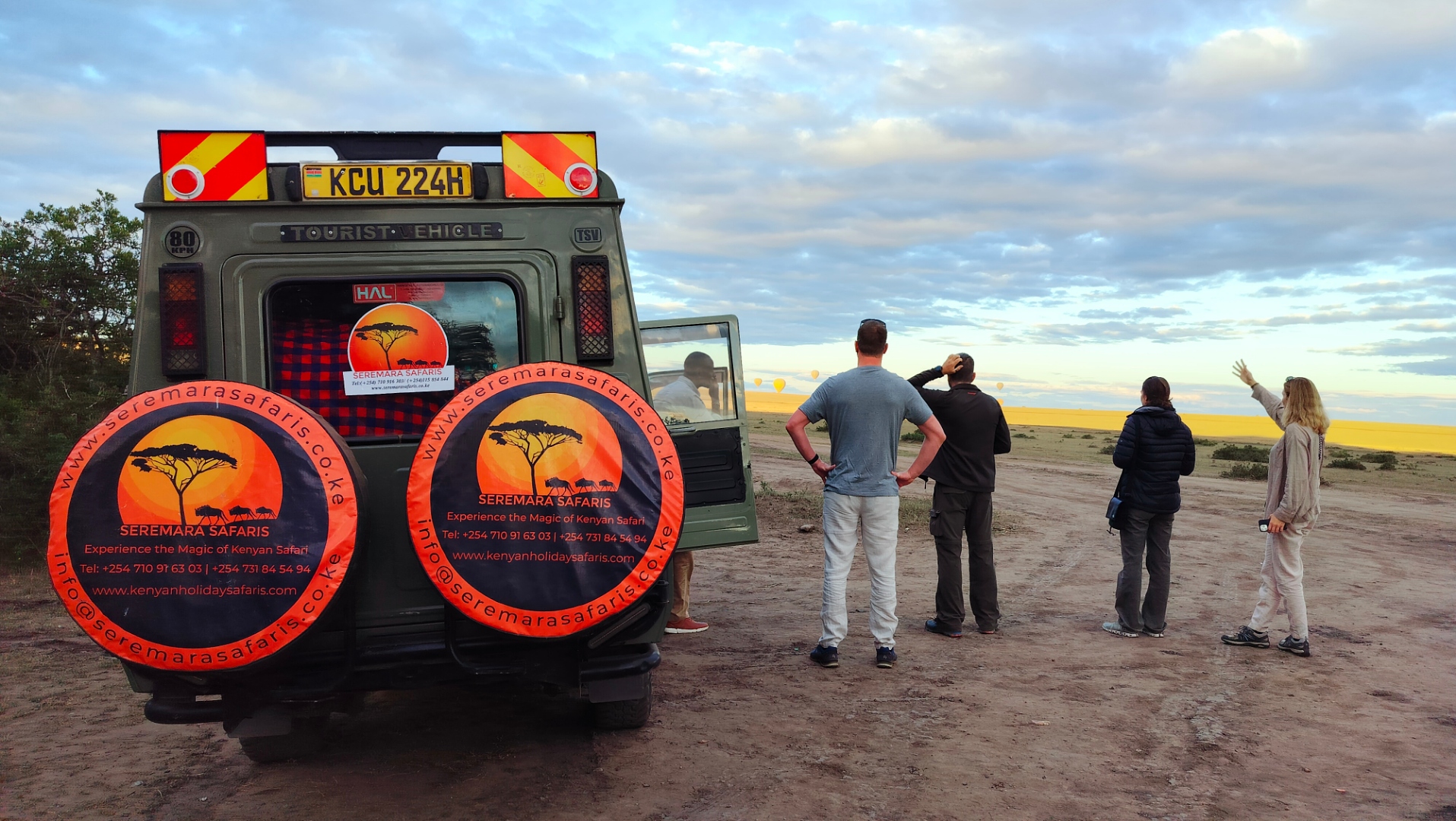
Seremara Safaris’ positioning as a dedicated Kenyan safari operator means you get local knowledge, on-the-ground support, and tailor-made itineraries, not generic “one-size-fits-all” packages.
Avoid Common Mistakes When Booking a Maasai Mara Safari
Even smart travelers fall into avoidable traps. To ensure you choose the best safari for your needs, watch out for:
-
Chasing the lowest price only
- Very cheap packages may exclude park fees, use overcrowded vehicles, or stay far from good wildlife areas.
-
Not checking the exact location of your camp
- “Masai Mara” in a description doesn’t always mean inside the reserve — it may be far from the main gates or river crossing areas.
-
Ignoring seasonality
- Booking August expecting river crossings, but staying in a sector far from the main crossing points — or visiting in April expecting classic migration scenes.
-
Underestimating park and conservancy fees
- High-season fees now significantly affect the overall cost of a Mara safari.
-
Overpacking and ignoring baggage limits on fly-in safaris
- Most bush flights have strict soft-bag weight limits (often 15 kg), so plan accordingly.
-
Not allowing enough time
- A single full day in the Mara is rarely enough to fully enjoy its diversity, especially if you’re aiming for specific sightings.
How to Brief Your Safari Planner for the Perfect Maasai Mara Trip
To help a specialist operator design the best Maasai Mara safari for you, prepare a short brief with:
- Exact or approximate travel dates (plus flexibility)
- Number of nights in Kenya and in the Mara
- Approximate budget per person, excluding international flights
- Travel style: romantic, honeymoon, family with ages of children, photographers, solo, group
- Accommodation preference: budget, mid-range, luxury, or “mix”
- Must-have experiences:
- Great Migration / river crossings
- Hot air balloon
- Night drives / walking safaris
- Maasai cultural visit
- Any mobility, dietary, or health considerations
The more detail you give, the easier it is for a local expert to recommend a realistic, honest itinerary that matches your expectations and budget.
Ready to Plan Your Best Maasai Mara Safari?
Choosing the best safari in Maasai Mara is about balancing season, location, budget, and experiences — and then partnering with a trusted local operator who understands the ecosystem deeply and puts your safety and satisfaction first.
By:
- Picking the right time of year for your goals
- Deciding between main reserve and conservancies
- Matching budget to comfort and activities
- Choosing road or fly-in based on time and preference
- Selecting well-located camps with strong guiding
- Booking through a reliable Kenyan safari specialist
…you give yourself the best chance of an unforgettable Maasai Mara adventure.
When you are ready to turn your priorities into a real itinerary, contact Seremara Safaris. You will receive practical, locally informed advice on camps, seasons, wildlife areas, transfers, and the details that make your Maasai Mara trip feel effortless.