6 Days Masai Mara, Lake Naivasha and Samburu Safari
The Masai Mara Lake Naivasha Samburu Safari is one of Kenya's most varied six-day circuits, linking three completely different ecosystems in a single overland loop. From the Big Five plains of the Masai Mara, the route drops into the Great Rift Valley for boat rides and walking safaris at Lake Naivasha, then climbs north into the semi-arid landscapes of Samburu, home to species found nowhere else in the country.
This 6 Days Kenya Safari Circuit was designed for travellers who want breadth as well as depth — rather than settling into one park for the full trip, you experience savannah, freshwater lake and rugged desert-fringe terrain back to back, each with its own distinct wildlife list and scenery. It particularly appeals to repeat visitors to Kenya looking for something beyond the standard Mara-only safari, and to keen photographers chasing variety of habitat and light.
Highlights include classic Mara game drives across rolling grassland thick with lion, leopard and cheetah; a Lake Naivasha Boat Safari Kenya excursion past hippo pods and fish eagles, paired with a walking safari on predator-free Crescent Island; and, in Samburu, the chance to track the '`Samburu Special Five'` — Grevy's zebra, reticulated giraffe, gerenuk, beisa oryx and Somali ostrich — species adapted specifically to this arid northern frontier.
From $2,000 per person sharing, this Masai Mara Lake Naivasha Samburu Safari includes transport throughout in a 4x4 safari Land Cruiser, full-board accommodation, park and reserve entry fees, a professional driver-guide, and bottled water for the entire journey.
Day-by-Day Itinerary
Nairobi to the Masai Mara
Your Masai Mara Lake Naivasha Samburu Safari begins with a 7:00am pickup from your Nairobi accommodation for the drive west into the Masai Mara ecosystem, arriving in the afternoon in time to check in and enjoy lunch before your first game drive. Guests connecting via a scheduled flight into the Mara airstrip are collected en route and join the group directly for the afternoon's activities.
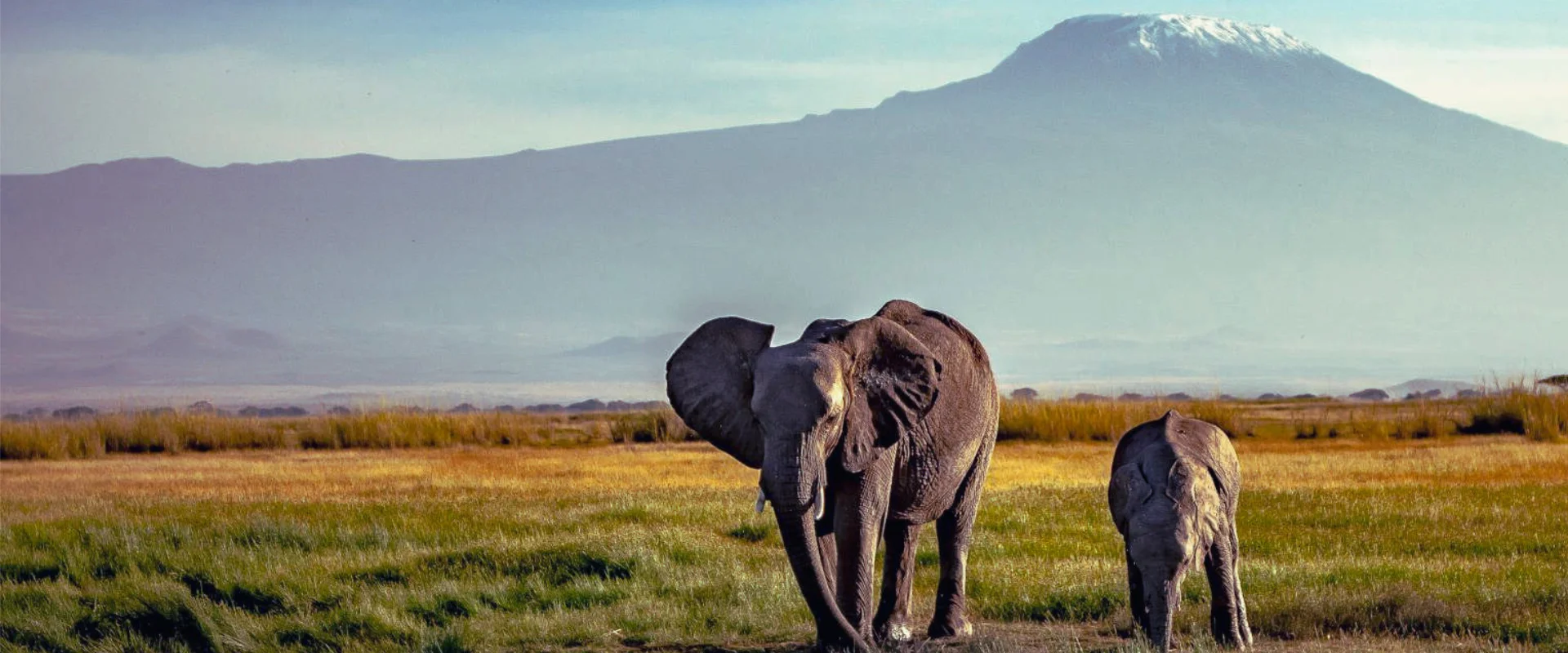
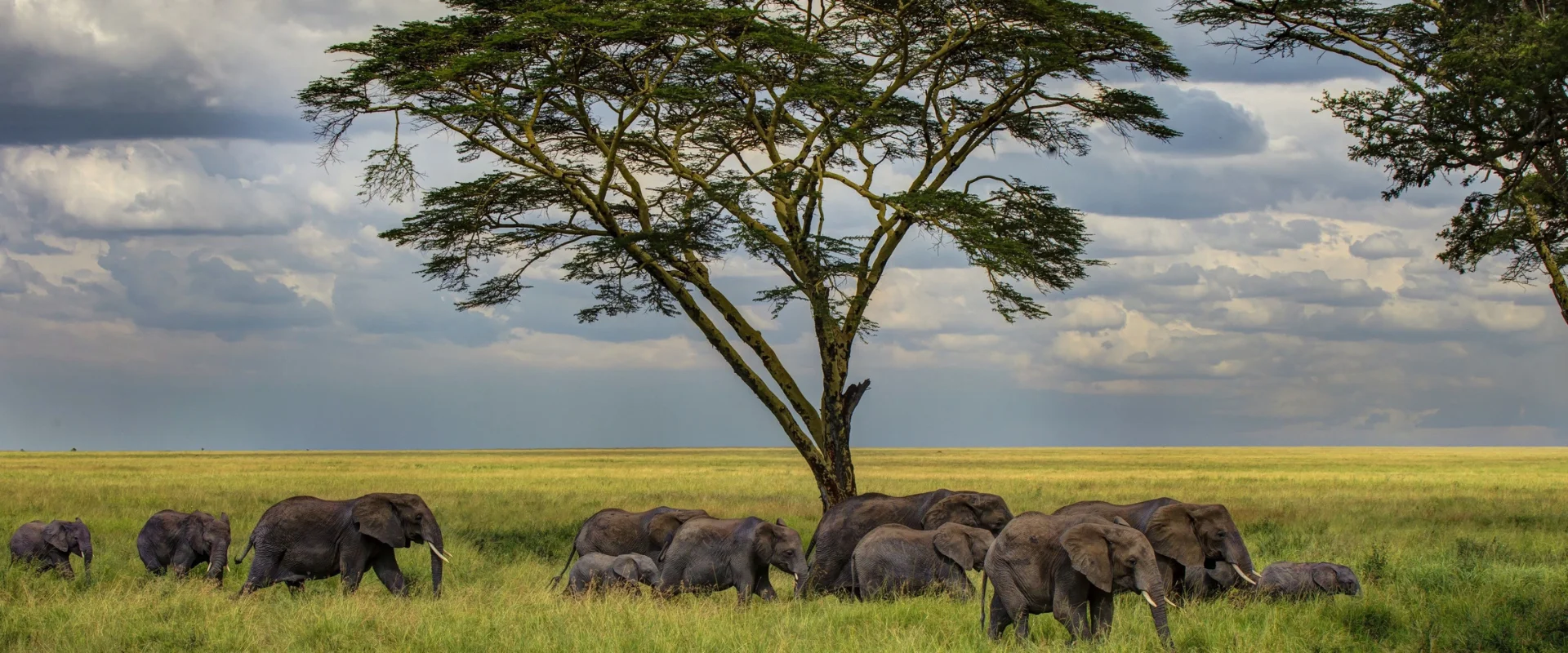
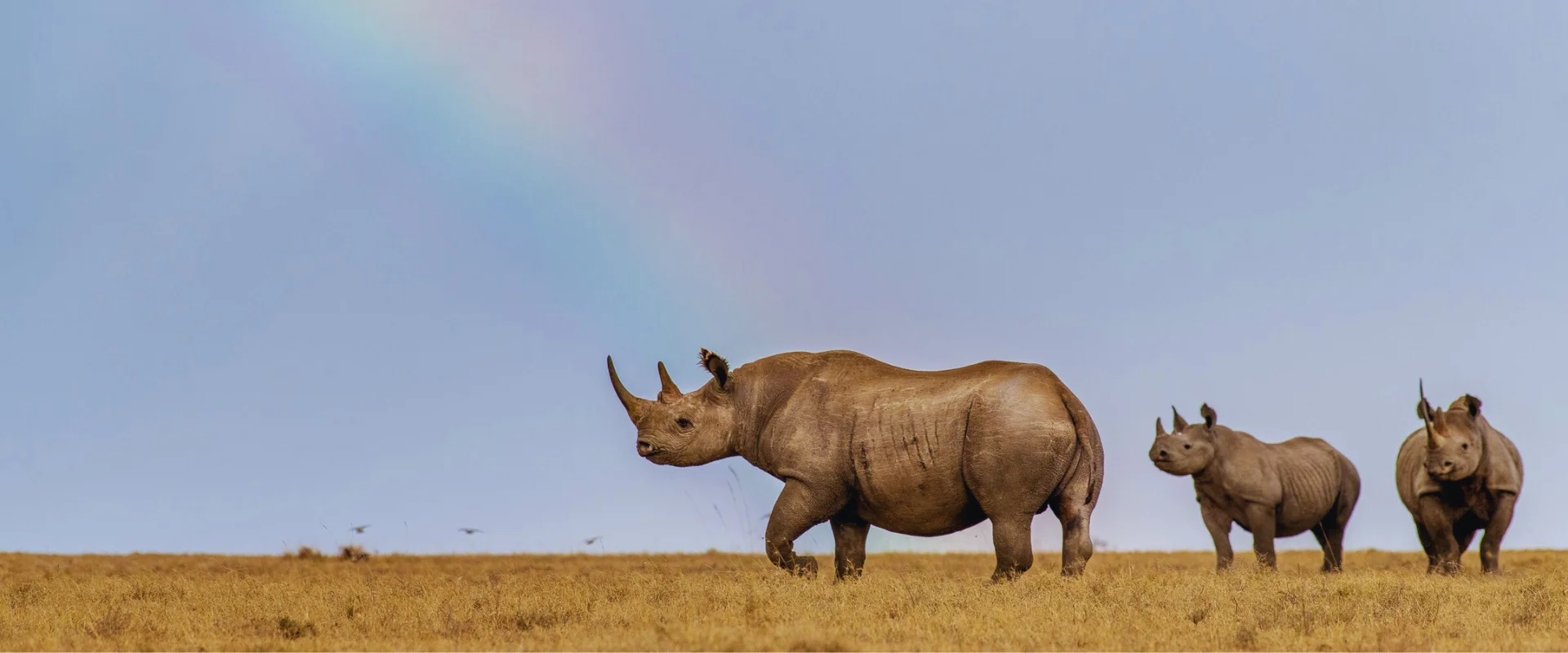
The Masai Mara at this time of year is at its most dramatic: vast open grassland keeps wildlife constantly in view, elephant herds browse among tree-studded plains, and black rhino sightings, while never guaranteed, do occur. Thomson's and Grant's gazelle, topi and eland graze in large numbers, providing a rich prey base for the reserve's lion, leopard and cheetah populations, all of which hunt actively across this stretch of savannah.
As the afternoon light softens, your driver-guide will position the vehicle for the best photographic opportunities before heading back to the lodge as dusk falls. Evenings in the Mara typically wind down around the campfire, where a Maasai night guard, known locally as an Askari, will escort you safely back to your room after dinner. This first game drive sets the tone for the trip's opening act — pure, open savannah wildlife viewing before the itinerary shifts to entirely different terrain later in the week.
Full Day of Game Drives in the Masai Mara
Wake to the astonishing dawn chorus of the Masai Mara's birdlife, then head out with coffee and a few snacks for an early morning game drive while the light is soft and photography conditions are at their best. The bush comes alive with vibrant colour at this hour, and predators are often still active from the night before, giving strong odds of witnessing a hunt or a fresh kill being contested between lions and hyenas.
Return to the lodge for a full breakfast and some downtime before lunch, then head back out in the afternoon for a dedicated Big Five search. The lower, warmer light of late afternoon is ideal for photographing the Mara's rolling plains, and leopard sightings along riverine tree lines become more likely as the day cools toward evening.
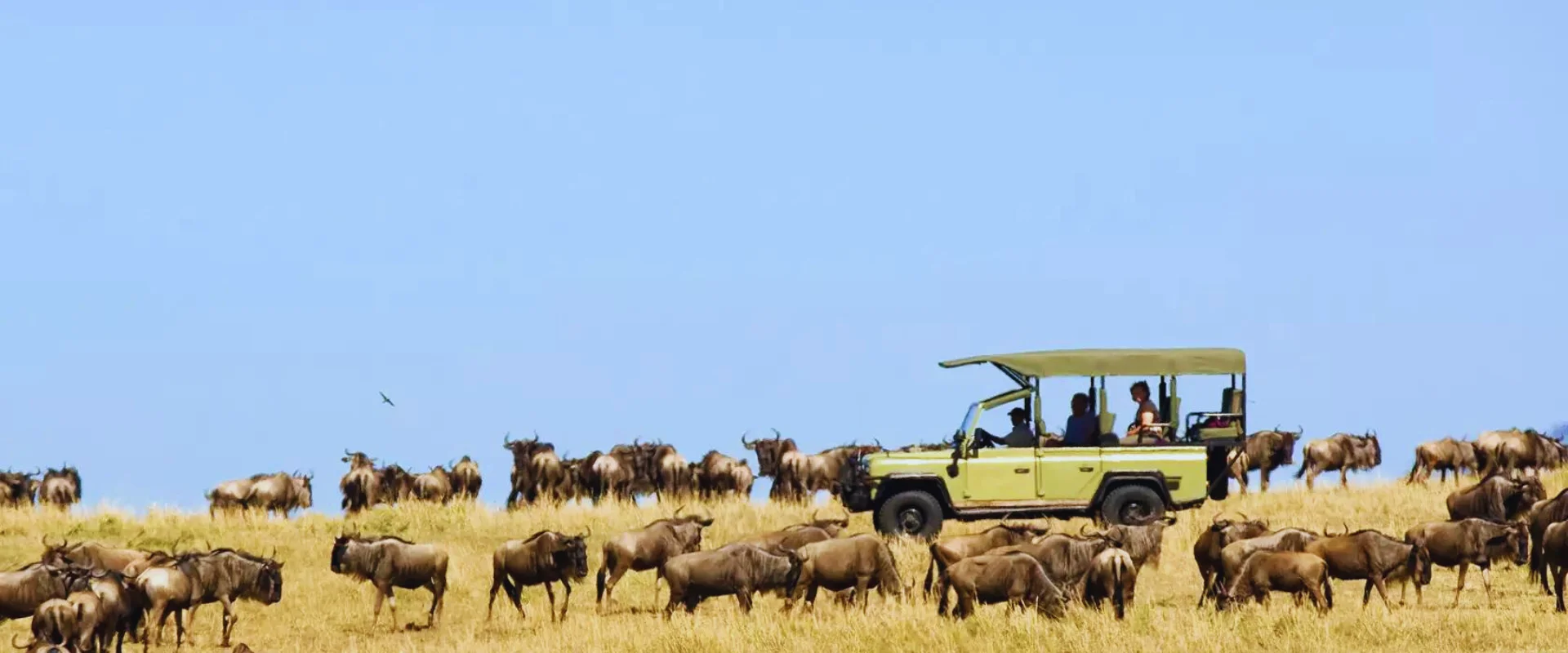
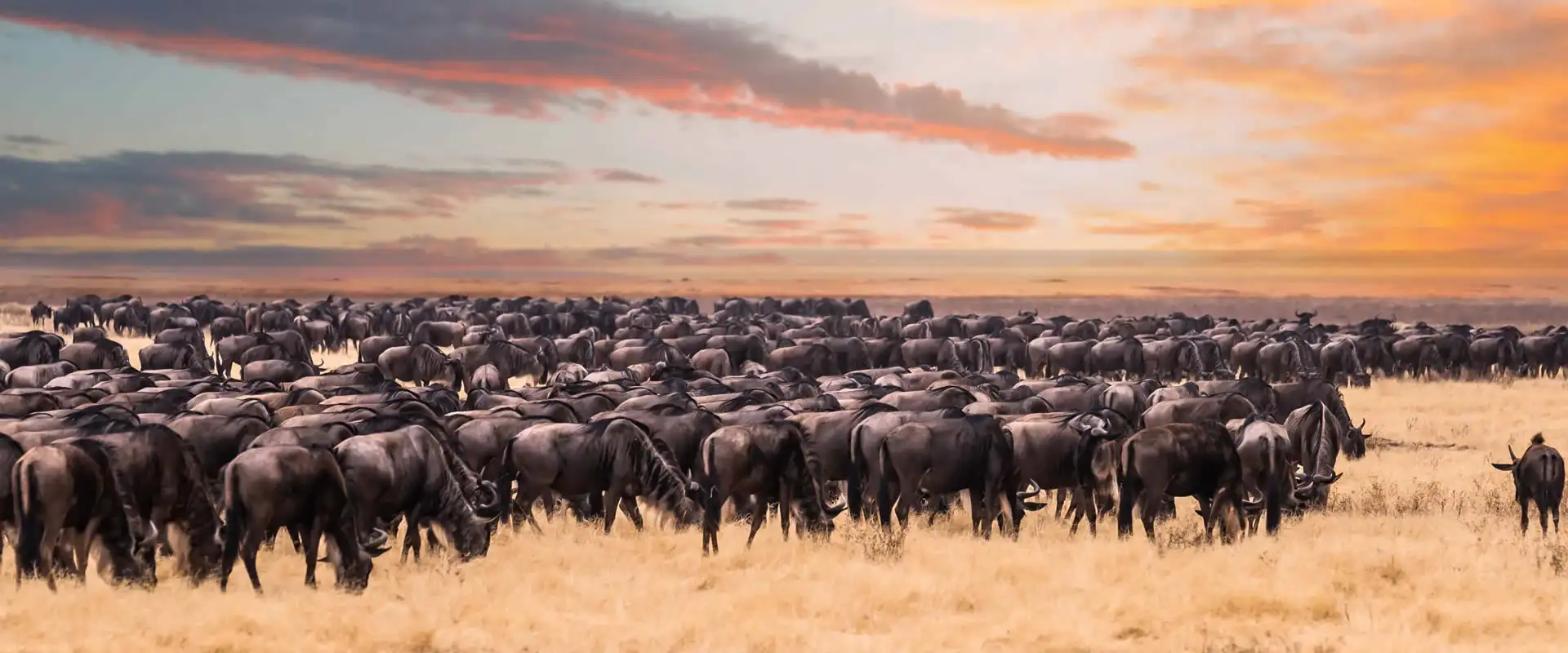
Guests who prefer to stay out longer can instead opt for a full-day game drive with a picnic lunch, prioritizing time in the field over returning to the lodge at midday — a good option if the wildebeest migration is active and Mara River crossings are a possibility during your travel dates. Whichever pace you choose, this second day is dedicated entirely to the reserve itself, making the most of your time here before the itinerary turns toward the Rift Valley tomorrow. Dinner and overnight at your lodge or camp in the Mara.
Into the Rift Valley: Lake Naivasha
After breakfast, check out and bid farewell to the Mara as your driver-guide heads west past Narok and through Mai Mahiu toward Lake Naivasha. The drive traces the floor of the Great Rift Valley, with dramatic views of the escarpment walls rising on either side — a striking contrast to the flat, open grassland you've left behind, and a genuine change of scenery that marks the start of the second stage of your 6 Days Kenya Safari Circuit.
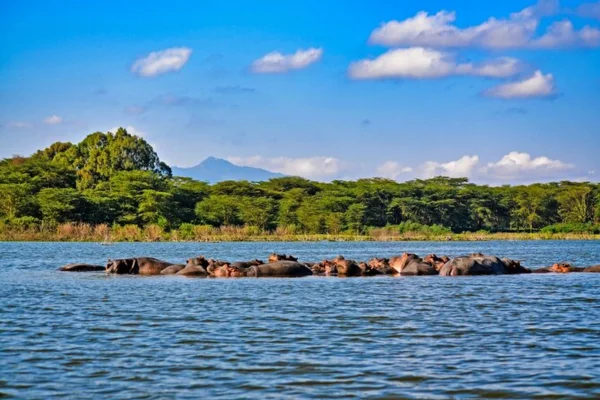
Lake Naivasha itself is a shallow freshwater lake roughly 13km across, fringed with thick papyrus and remarkably rich in wildlife for its modest size. Giraffe wander among the acacia along its shores, buffalo wallow in the marshy shallows, colobus monkeys call from the treetops, and a large resident hippo population spends daylight hours dozing in the shallows before emerging to graze at night.
After checking in at Lake Naivasha Country Club, choose between a Lake Naivasha Boat Safari Kenya excursion across the water, watching hippos and a wide variety of waterbirds from a safe vantage point, or a walking tour of Crescent Island, a predator-free peninsula where you can walk on foot alongside giraffe, waterbuck, zebra and antelope, with a 360-degree view from the island's high point stretching from Mount Longonot to Hell's Gate and the Mau Escarpment. Both options are payable directly and offer a completely different style of wildlife encounter from vehicle-based game drives. Dinner and overnight at the lodge.
North to Samburu's Arid Frontier
Leave Naivasha after breakfast and head north toward Samburu, a landscape of endless skies, dust-red plains and palm-fringed rivers that could not feel more different from the previous two ecosystems on this trip. En route, stop at Thomson's Falls for photographs of its thundering cascade, with the option to walk down closer to the water and get properly wet if you're so inclined, before continuing the journey north.
Samburu National Reserve sits on the edge of what was once known as the Northern Frontier District, its scorched scrubland stretching toward the jade waters of Lake Turkana far beyond the reserve boundary. The terrain here is physically dramatic: rocky outcrops, craggy escarpments, dry riverbeds and fallen boulders rise from thorn scrub, with the distant red table mountain of Lololokwe forming a striking backdrop.
If energy allows after the long drive, an afternoon game drive introduces you to the reserve's distinctive red volcanic soil and rugged terrain. Samburu is especially good for leopard, hosts rare African wild dogs, and supports large elephant populations, while its 450 recorded bird species reward keen birders. Above all, this is prime territory for the celebrated 'Samburu Special Five' — Grevy's zebra, the long-necked gerenuk, reticulated giraffe, beisa oryx and Somali ostrich — species uniquely adapted to this arid environment and rarely seen in Kenya's better-known southern parks. Dinner and overnight at Samburu Simba Lodge.
Tracking the Samburu Special Five
Start with an early cup of coffee before heading out into Samburu's fiercely beautiful, arid terrain, watered by the life-giving Uaso Nyiro River. Spend the morning devoted largely to birdwatching and general game viewing, with breakfast and lunch available either back at camp or as a picnic enjoyed out in the field, depending on how far your game drive takes you.
In the reserve's southern section you stand a strong chance of encountering most of Samburu's signature species: cheetah, lion, leopard, impala, buffalo, hippo and dik-dik, alongside the reserve's headline residents — gerenuk, Grevy's zebra, reticulated giraffe and beisa oryx. During the dry season, wildlife concentrates predictably along the Uaso Nyiro River, the reserve's primary water source, making this an especially productive time to visit, with Nile crocodiles also visible basking or swimming in the river.
Birders will find Samburu a genuine paradise, with over 350 species recorded, including vultures, kingfishers, marabou storks, bateleur eagles, guinea fowl and Somali ostrich. In the afternoon, take some time to relax at camp before a late game drive aimed at catching any activity missed earlier in the day. Optional cultural visits to local Samburu villages are also available, offering a chance to interact with the community in their traditional setting and to purchase authentic Samburu crafts and souvenirs directly from local artisans. Dinner and overnight at your lodge.
Samburu to Nairobi, with an Optional Hell's Gate Stop
After breakfast, check out and begin the return journey south toward Nairobi, closing the loop on your Masai Mara Lake Naivasha Samburu Safari. Depending on timing and preference, you can drive directly back to the capital or make a detour to Hell's Gate National Park, one of the few Kenyan parks where visitors can walk or cycle freely among wildlife without a vehicle, thanks to the absence of dangerous predators in most areas.
At Hell's Gate, options include a guided walking safari led by knowledgeable local rangers, a game drive through the park's dramatic gorge and towering rock towers using your own open-roofed safari vehicle, or, for the more adventurous, renting bicycles at the gate for a self-guided cycling route through the park (expect basic-quality rental bikes). The park's volcanic cliffs and geothermal features add one more distinct landscape to a trip that has already covered savannah, freshwater lake and arid desert-fringe terrain.
From Hell's Gate, continue the drive to Nairobi, arriving at your hotel in the late afternoon. This final leg brings the 6 Days Kenya Safari Circuit full circle, having taken in the Mara's classic Big Five plains, Lake Naivasha's boat rides and Crescent Island walking safari, and Samburu's rare Special Five species — a genuinely comprehensive introduction to the range of habitats Kenya has to offer in a single week.
Photo Gallery
Explore the Destinations on This Safari
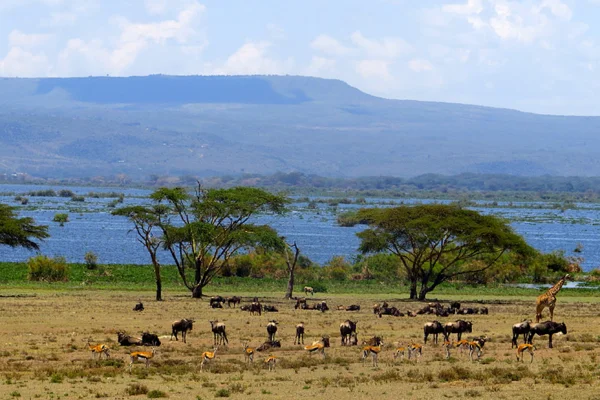
The Masai Mara National Reserve is Kenya's flagship safari destination, an extension of the greater Serengeti ecosystem renowned for exceptionally high densities of lion, leopard and cheetah. Rolling grassland dotted with acacia trees supports large herds of elephant, buffalo, topi, eland and gazelle year-round, with the added spectacle of the Great Wildebeest Migration crossing the Mara River between roughly July and October. On this itinerary, two full days in the Mara provide both an arrival-afternoon game drive and a complete day dedicated to tracking predators and photographing the reserve's iconic open landscape. As the opening chapter of a longer circuit, the Mara sets a high bar for wildlife density before the trip transitions to the very different habitats of Lake Naivasha and Samburu later in the week.
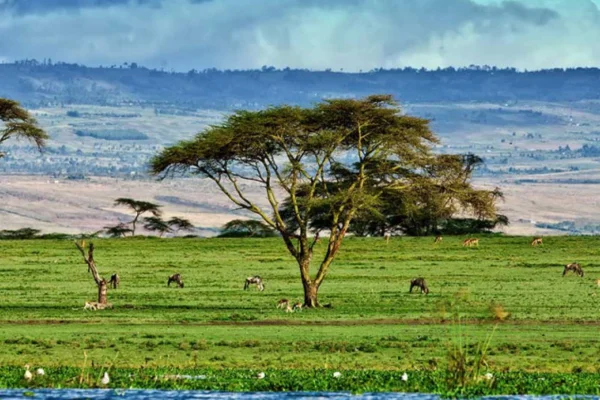
Lake Naivasha is a shallow freshwater lake in the floor of the Great Rift Valley, fringed by dense papyrus and framed by dramatic escarpment views. Its shores attract giraffe, buffalo and colobus monkeys, while its shallow waters host a large resident hippo population and abundant birdlife including fish eagles, herons and kingfishers. The lake is best explored by boat, drifting close to hippo pods and waterbirds from a safe distance, or on foot at neighboring Crescent Island, a predator-free peninsula where visitors can walk directly among giraffe, zebra, waterbuck and antelope. From the island's high point, a 360-degree panorama takes in Mount Longonot, Hell's Gate, the Mau Escarpment and the Aberdares. As the midpoint of this itinerary, Naivasha offers a complete change of pace and habitat between the Mara's savannah and Samburu's arid north.
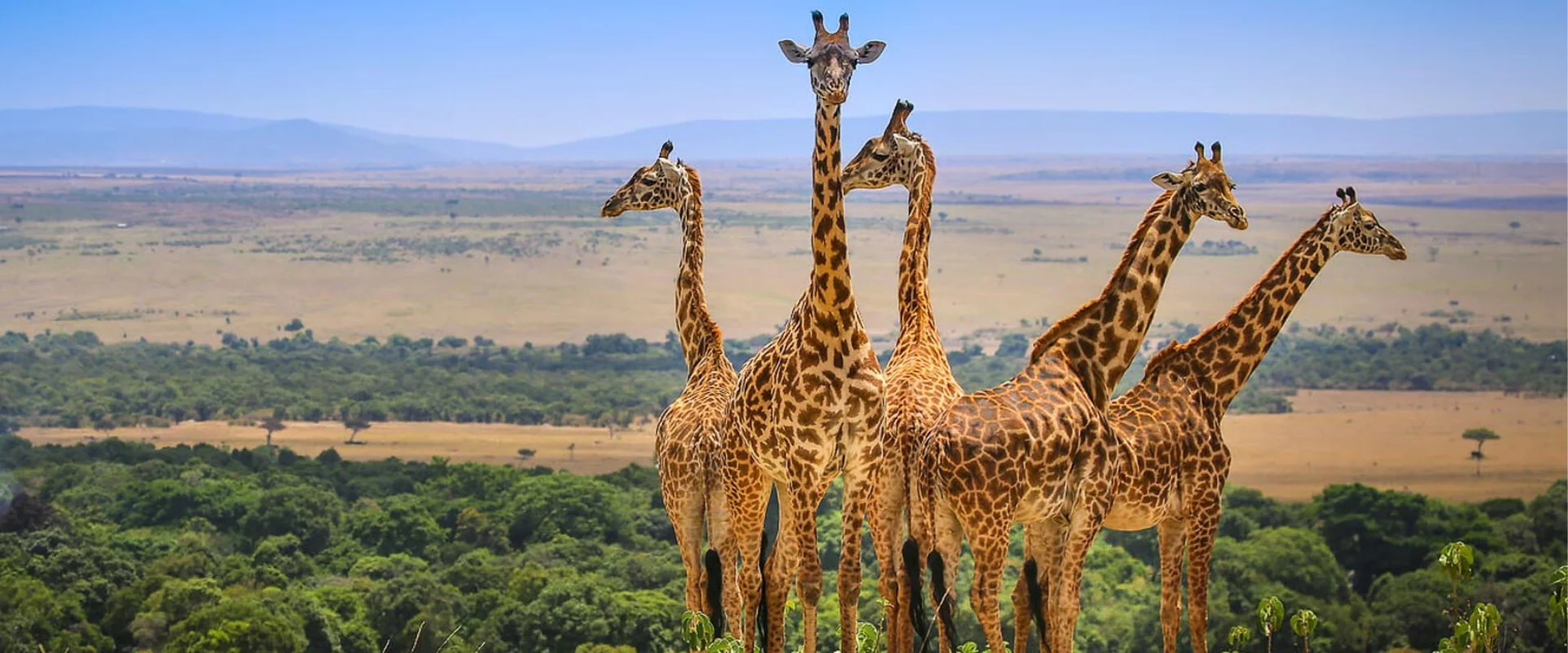
Samburu National Reserve sits on the edge of Kenya's arid northern frontier, its red volcanic soil, rocky escarpments and thorn scrub watered by the Uaso Nyiro River. This distinct ecosystem supports species not typically found in Kenya's southern parks, collectively known as the Samburu Special Five: Grevy's zebra, reticulated giraffe, the long-necked gerenuk, beisa oryx and Somali ostrich. The reserve also holds healthy populations of lion, leopard, elephant and the rare African wild dog, plus over 450 recorded bird species. Wildlife concentrates predictably along the river during the dry season, making game viewing especially productive. Visits to local Samburu villages add a cultural dimension, offering direct interaction with a community whose traditional dress and customs remain vividly intact. As the final wildlife stop on this circuit, Samburu delivers a genuinely different safari experience from both the Mara and Naivasha.
What's Included
- Transport throughout in a 4x4 safari Land Cruiser
- Full-board accommodation for the duration of the safari
- Park and reserve entry fees in the Masai Mara and Samburu
- Services of a professional driver-guide
- Bottled water during the safari
- Game drives as detailed in the itinerary
- All applicable government taxes
Trip Planning Guide
This six-day circuit is built around habitat variety, delivering three distinct wildlife lists in one trip.
- Masai Mara big cats: lion, leopard and cheetah hunting across open savannah, alongside elephant and large herds of plains game.
- Lake Naivasha waterlife: hippo pods, fish eagles and giraffe, best seen on a boat ride or a Crescent Island walking safari.
- Samburu Special Five: Grevy's zebra, reticulated giraffe, gerenuk, beisa oryx and Somali ostrich, unique to Kenya's arid north.
- Rift Valley scenery: dramatic escarpment views on the drive between the Mara and Naivasha.
- Visa & entry: most travellers require a Kenya eTA arranged online before arrival.
- Long driving days: this circuit involves significant overland travel; comfortable clothing and regular stops are built into the schedule.
- Optional activity fees: Lake Naivasha boat rides, Crescent Island fees and Hell's Gate entry are payable locally and not included in the base price.
- Malaria zones: the Mara and Samburu are malaria-risk areas; prophylaxis and repellent are recommended.
- Climate range: expect cooler temperatures in the Rift Valley highlands and notably hotter, drier conditions in Samburu.
- Neutral-toned, breathable safari clothing plus a warm layer for early mornings and highland evenings
- Comfortable walking shoes for Crescent Island and optional Hell's Gate walks
- Binoculars and a camera with zoom lens for both game drives and birdwatching
- Wide-brimmed hat, sunglasses and high-SPF sunscreen for Samburu's intense sun
- A light swimsuit if you plan to relax at the Lake Naivasha lodge pool
- Basic malaria prevention and insect repellent
The dry seasons from June to October and January to February are ideal for this Masai Mara Lake Naivasha Samburu Safari, offering the best wildlife concentrations in all three regions and firmer roads for the long overland legs. July to October additionally coincides with the wildebeest migration in the Mara. The short and long rains, in November and from March to May, bring lush landscapes and fewer crowds but can make driving conditions slower and reduce visibility for some game viewing, particularly in the Rift Valley sections of the route.
Tour Route Map
Frequently Asked Questions
This safari is priced from $2,000 per person sharing, including transport in a 4x4 safari Land Cruiser, full-board accommodation, park fees and a professional driver-guide for the full six days.
This 6 Days Kenya Safari Circuit combines three distinct ecosystems — the Mara's savannah, Lake Naivasha's freshwater habitat, and Samburu's arid north — rather than focusing on a single park, giving much greater habitat and wildlife variety.
The Samburu Special Five refers to five species uniquely adapted to Kenya's arid north: Grevy's zebra, reticulated giraffe, the gerenuk, beisa oryx and Somali ostrich, all commonly seen in Samburu National Reserve on this itinerary.
Yes, a Lake Naivasha Boat Safari Kenya excursion is available as an optional activity, payable locally, offering close views of hippo pods and waterbirds from the water.
Crescent Island is a predator-free peninsula on Lake Naivasha where visitors can walk on foot among giraffe, zebra, waterbuck and antelope, with panoramic Rift Valley views from its highest point.
This circuit involves substantial overland travel, with drives of roughly five to seven hours between the Mara, Lake Naivasha and Samburu, all done in a comfortable 4x4 safari Land Cruiser with stops along the way.
An optional stop at Hell's Gate National Park is available on the return drive to Nairobi on day six, offering walking, cycling or game-drive options, though entry fees are payable separately.
International and domestic flights, visa fees, tips, laundry, drinks, and optional activity fees such as Lake Naivasha boat rides, Crescent Island conservancy fees and Hell's Gate entry are not included.
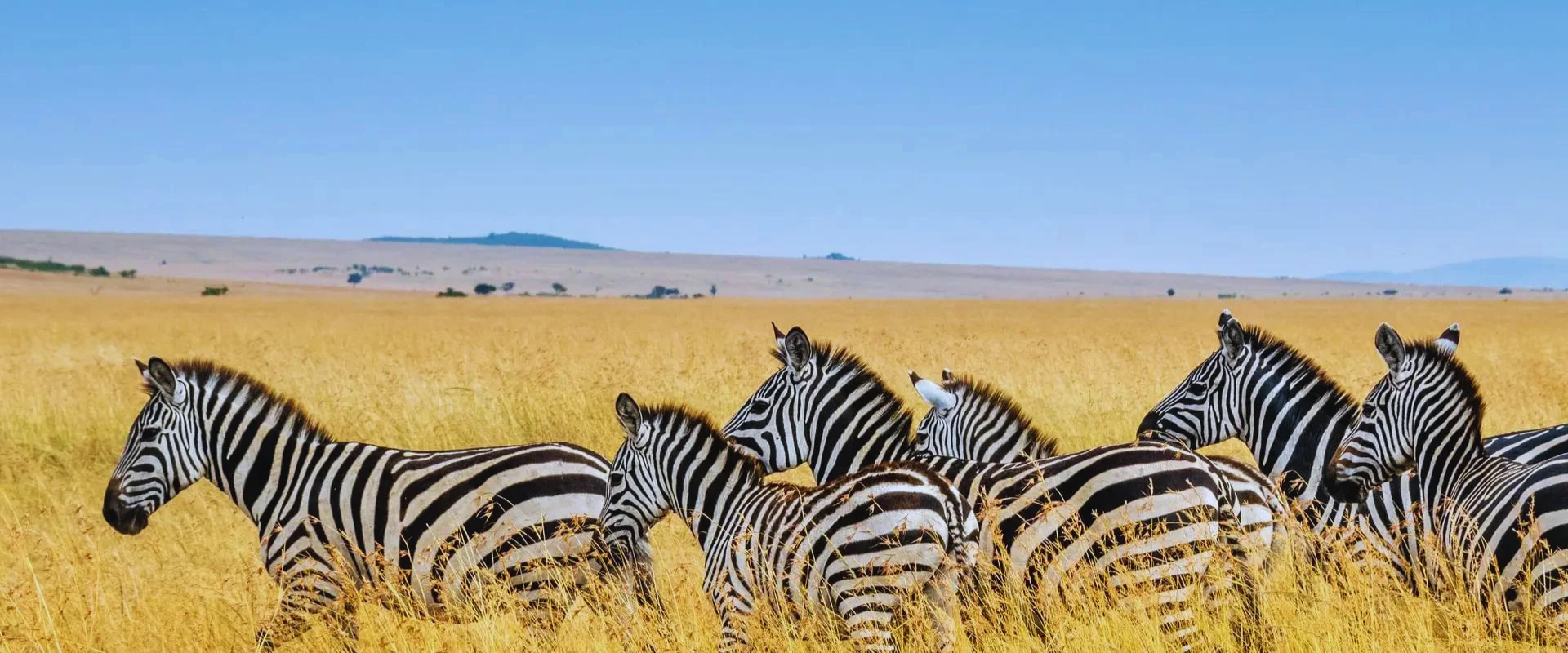
Samburu is home to species adapted to arid terrain that are rarely found in the Mara, including Grevy's zebra, reticulated giraffe, the gerenuk and beisa oryx, collectively known as the Samburu Special Five.
June to October and January to February offer the best overall conditions across all three regions, with July to October also coinciding with the wildebeest migration in the Masai Mara.
6 Days Masai Mara, Lake Naivasha and Samburu Safari