7 Day Kenya Tanzania Migration Safari
This 7 day Kenya Tanzania Migration Safari links two of the most storied wildlife circuits on the planet, threading from Kenya's Masai Mara National Reserve across the border into Tanzania's Serengeti, Ngorongoro Crater and Tarangire National Park. In just under a week you cover four distinct ecosystems, each with its own rhythm of animal movement, without ever feeling rushed between camps.
This route suits travellers who want the drama of the Great Wildebeest Migration but also crave variety in scenery — from the tree-studded grassland of the Mara to the endless short-grass plains of the Serengeti and the volcanic bowl of Ngorongoro. It works equally well as a Masai Mara Serengeti Ngorongoro Safari for first-time visitors to East Africa and as a focused add-on for guests who have already done a Kenya-only trip and want to see the Tanzanian side of the ecosystem.
Expect close encounters with the resident big cats of the Mara, a border crossing at Isebania into the 'endless plains' of the Serengeti, a full day exploring the crater floor at Ngorongoro where up to 25,000 large mammals live in a single caldera, and a closing half-day game drive in Tarangire National Park — famous for its ancient baobabs and some of the largest elephant herds in Tanzania. Birders will also enjoy strong sightings throughout, and travellers visiting between July and September stand a good chance of witnessing a Mara River crossing.
From $2,000 per person sharing, this 7 day Kenya Tanzania Migration Safari includes full-board accommodation, all park and conservation fees, transport in a 4x4 safari Land Cruiser with pop-up roof, a professional English-speaking driver-guide, and mineral water throughout the journey.
Day-by-Day Itinerary
Nairobi to the Masai Mara
Your driver-guide collects you from Jomo Kenyatta International Airport or your Nairobi hotel early in the morning and heads west, dropping down the Great Rift Valley escarpment en route to the Masai Mara National Reserve. If two of your party are flying in instead, they are met directly at the Mara airstrip. You arrive in time for lunch at camp, then head straight out for your first afternoon game drive across the reserve's rolling grasslands.
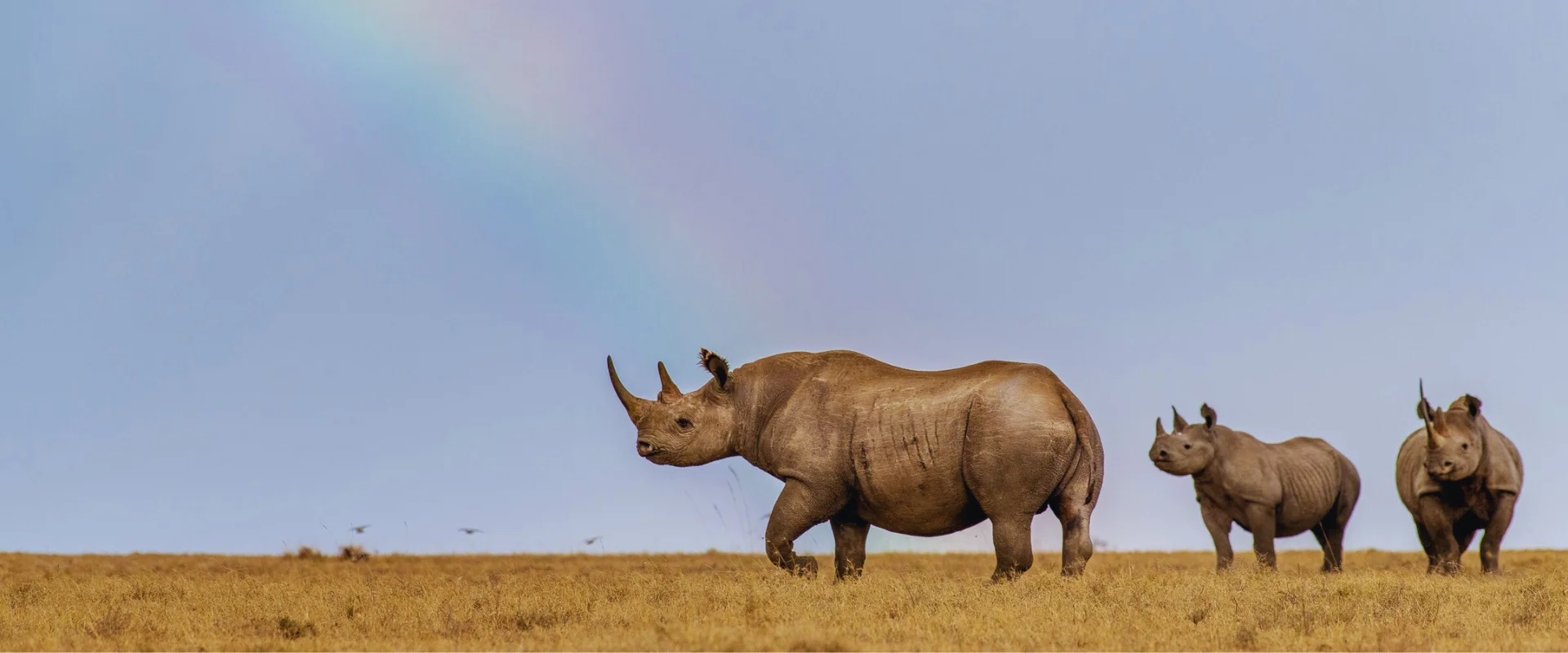
The Mara rarely disappoints: elephant herds browse among acacia thickets, black rhino are occasionally spotted, and Thomson's and Grant's gazelle, topi and eland graze in numbers that draw the resident lion, leopard and cheetah prides. As dusk settles you return to camp for sundowners around the fire pit, where a Maasai askari will walk you back to your tent once the stars are out. This first taste of the Mara sets the tone for the Kenya Tanzania Migration Safari ahead.
Dinner and overnight at your Masai Mara camp.
Full Day Exploring the Masai Mara
Wake to the dawn chorus of the Mara's prolific birdlife before setting out on an early game drive while the light is soft and the bush is at its most active. This is prime time for photography: predators are often still moving after a night hunt, and the golden light on the savannah makes for striking images. You return to camp for a full breakfast and some time to relax before lunch.
In the afternoon you head back out with your driver-guide, focusing the search on the Mara's famous big cats and, in season, the wildebeest herds that flood into the reserve from July through September. The reserve's open topography means sightings are rarely obscured, and the low afternoon light again favours photographers. As you make your way back towards camp in the early evening there is a genuine chance of spotting a leopard beginning its nocturnal prowl along a riverine thicket.
Dinner and overnight at your Masai Mara camp, with the option of an early-morning hot air balloon safari over the plains at an additional cost.
Second Full Day in the Masai Mara
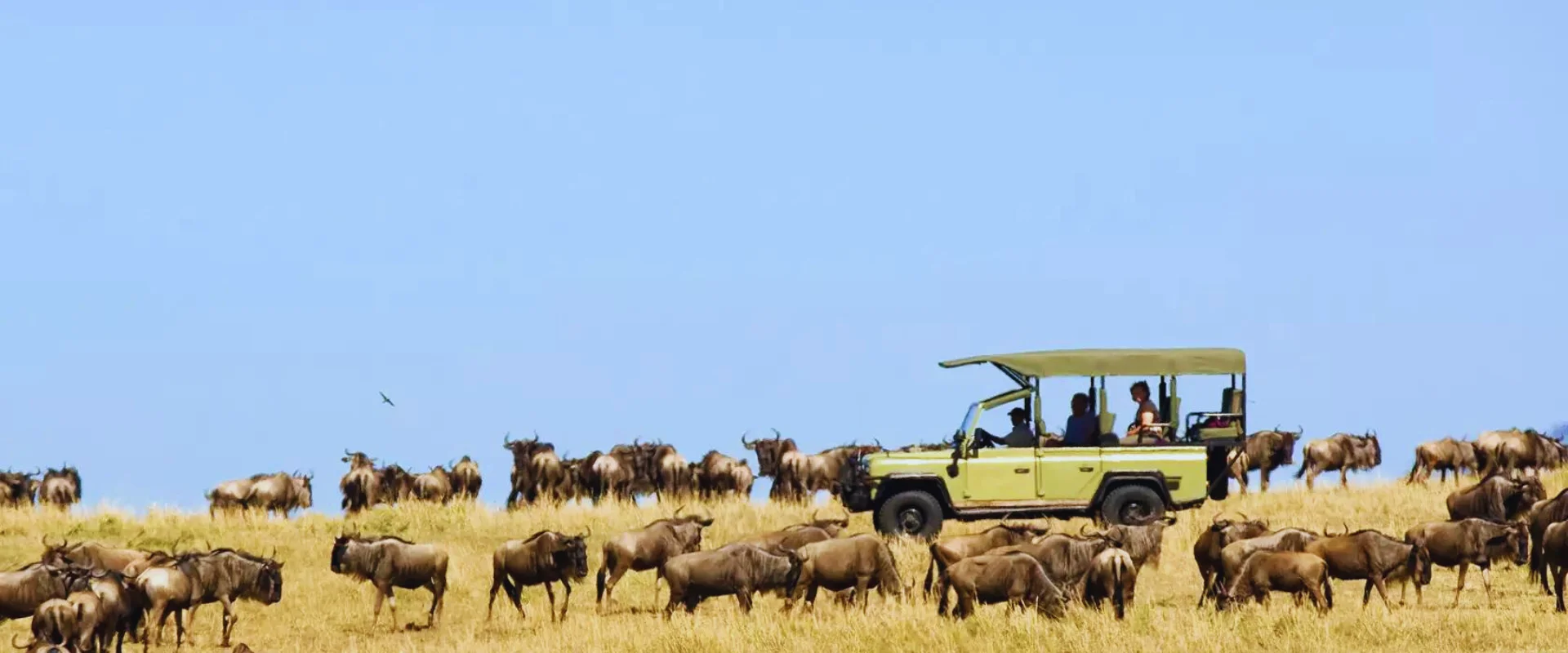
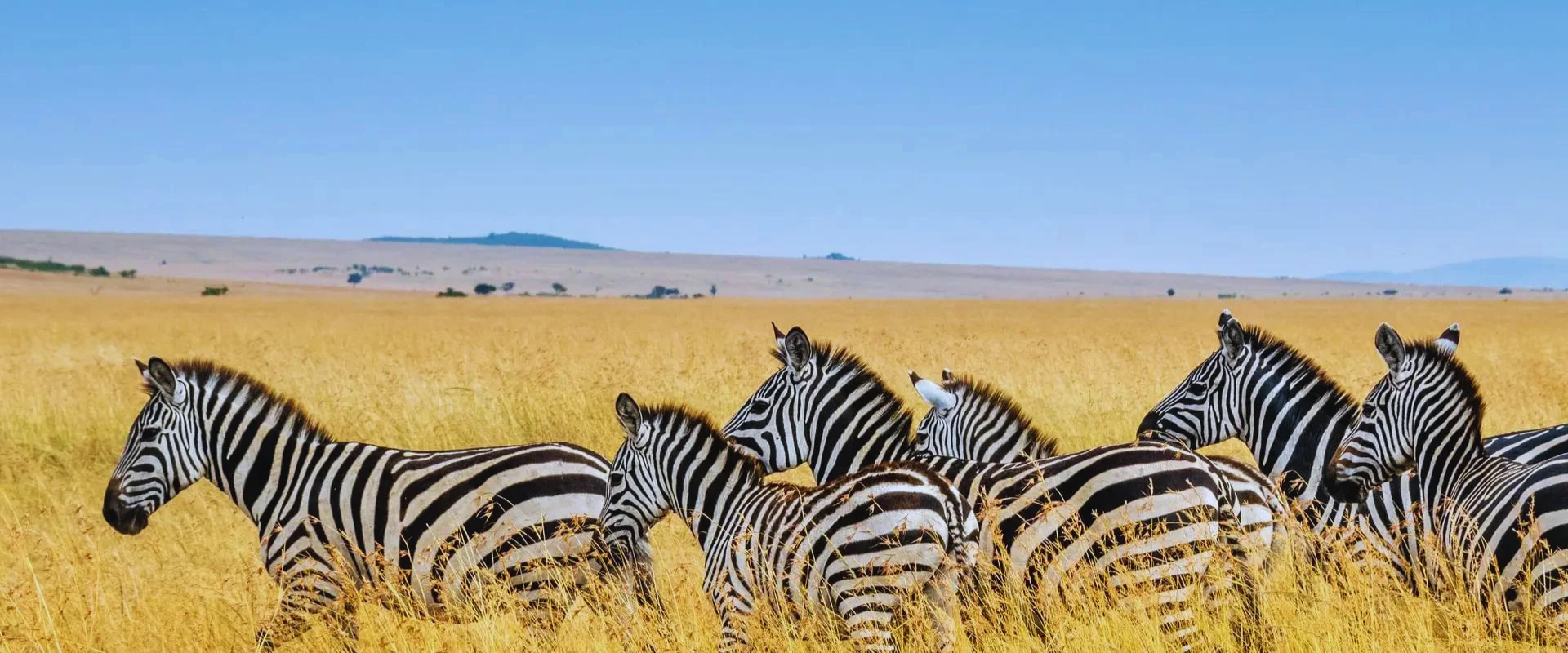
Your third day allows unhurried time to track down whatever the Mara has not yet revealed. If the wildebeest migration is in full swing, your guide will head for known crossing points along the Mara River, where enormous columns of wildebeest and zebra gather nervously on the banks before plunging in — often into the path of waiting crocodiles. Outside migration season, the focus shifts to resident game: lion prides that dominate specific territories, cheetah using termite mounds as lookout points, and the ever-present herds of topi and eland.
A picnic lunch is taken out in the bush so that you can stay near the action rather than break for a midday return to camp. As the light softens toward late afternoon, your guide continues scanning likely drainage lines and thickets for leopard. Returning to camp at sundown, you gather at the campfire to swap stories from the day's sightings before a full dinner service.
Dinner and overnight at your Masai Mara camp, closing out your time in Kenya before crossing into Tanzania tomorrow.
Crossing into the Serengeti
After an early breakfast, you depart the Mara with a picnic lunch packed for the road, driving south through Migori to the Isebania border post for immigration formalities. Once processed into Tanzania, a driver-guide on the Tanzanian side meets you for the onward transfer into Serengeti National Park, one of the most celebrated game parks in East Africa. The Serengeti's name derives from the Maasai word 'Siringet', meaning endless plains, and the landscape changes dramatically as you drive north — from short grass plains in the south to acacia savannah in the centre and dense woodland toward the west.
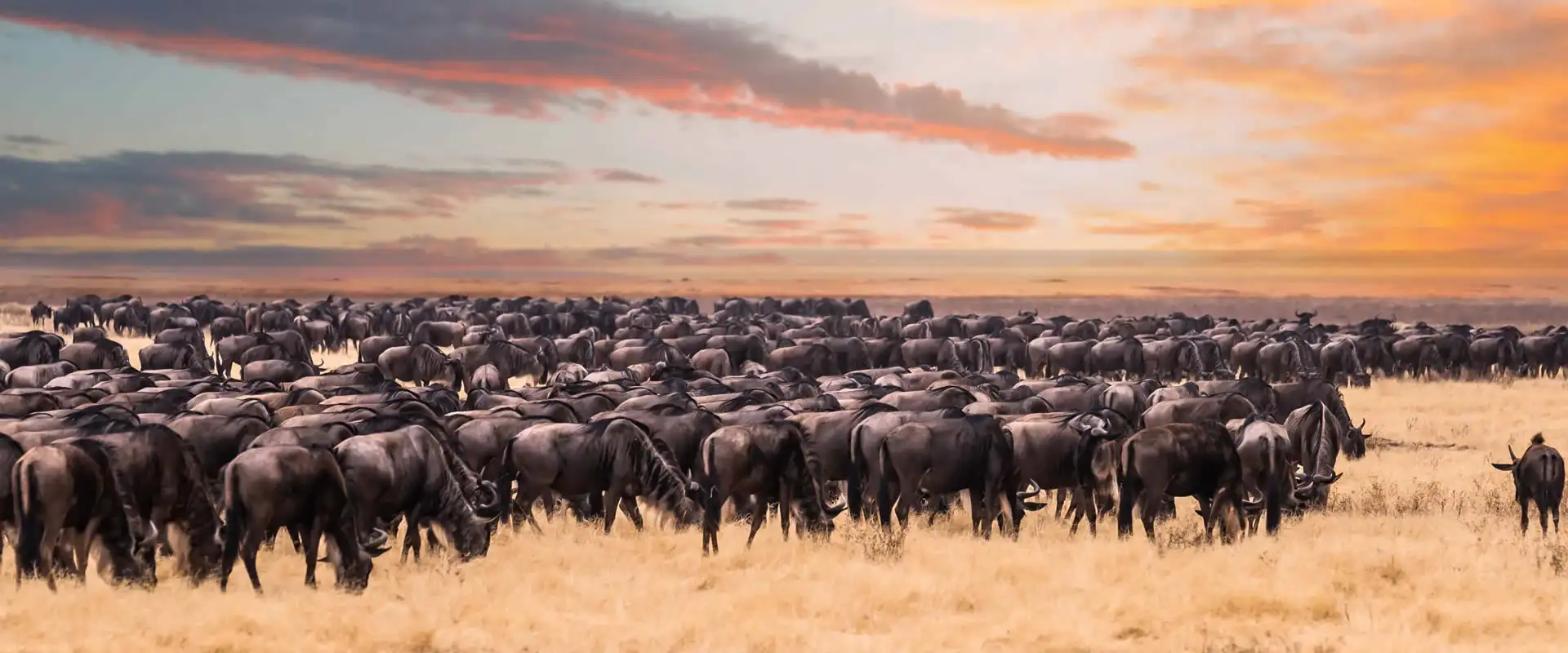
This is the same ecosystem that the Mara belongs to, and it is here that some 1.5 million wildebeest, alongside hundreds of thousands of zebra and Thomson's gazelle, spend the earlier part of the year before moving north. Lion, hyena and cheetah track the herds closely, making game viewing productive even along the transfer route. You arrive at your tented camp by the afternoon, in time to settle in before dinner.
Dinner and overnight at your Serengeti camp.
Full Day Game Drive in the Serengeti
A full day is dedicated to exploring the Serengeti's central and southern plains, with a picnic lunch carried along so you can maximise time in the field rather than returning to camp midday. The park holds one of the densest resident predator populations in Africa: an estimated 3,000 lions roam the ecosystem, drawn by the sheer abundance of prey, while roughly 1,000 leopard are concentrated particularly around the Seronera Valley, known for its riverine trees where cats like to rest during the heat of the day.
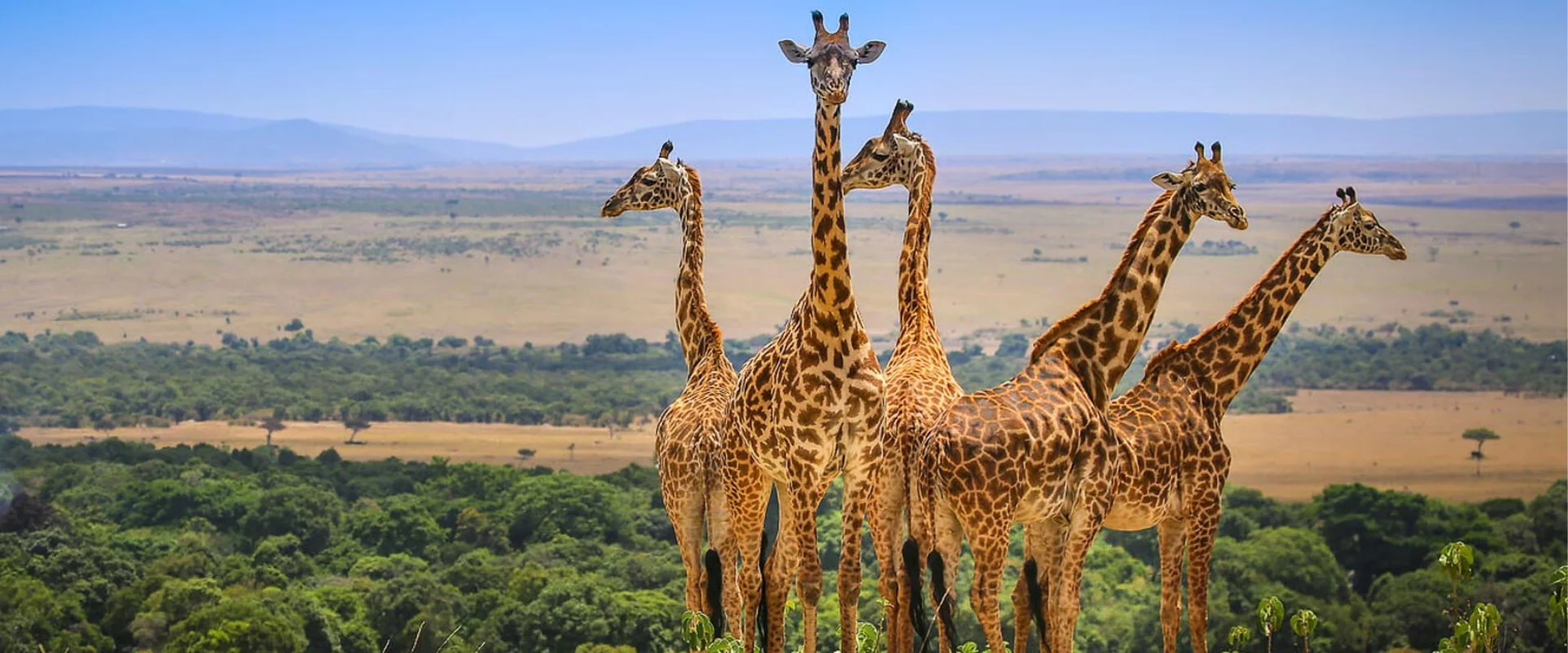
Beyond the big cats, the Serengeti supports the other members of the Masai Mara Serengeti Ngorongoro Safari circuit's headline wildlife — elephant, buffalo, giraffe and the endless herds of wildebeest and zebra that define this ecosystem. Birdlife is equally rewarding, with roughly 500 recorded species ranging from the ostrich and secretary bird of the open grassland to black eagles soaring above isolated granite kopjes. Depending on the season, your guide will target specific migration concentrations or focus on resident game around permanent water sources.
Dinner and overnight at your Serengeti camp.
Into the Ngorongoro Crater Highlands
After breakfast you leave the Serengeti and drive toward the Ngorongoro Conservation Area, a UNESCO World Heritage Site centred on the world's largest intact volcanic caldera. The crater floor supports as many as 25,000 large mammals in a single contained ecosystem — a density unmatched almost anywhere else on the continent. Grazers dominate the numbers here: zebra and wildebeest together make up nearly half of all resident animals, alongside gazelle, buffalo, eland, hartebeest and warthog.
Look out for the crater's unusual elephant population, made up almost entirely of bulls, since breeding herds generally cannot find enough quality forage at ground level within the caldera to sustain females and calves. Predators thrive in these conditions too: around 100 lion and more than 400 spotted hyena, organised into large clans, share and contest the abundant prey base. You reach your lodge on the crater rim in the early evening, with sweeping views down into the caldera as the light fades.
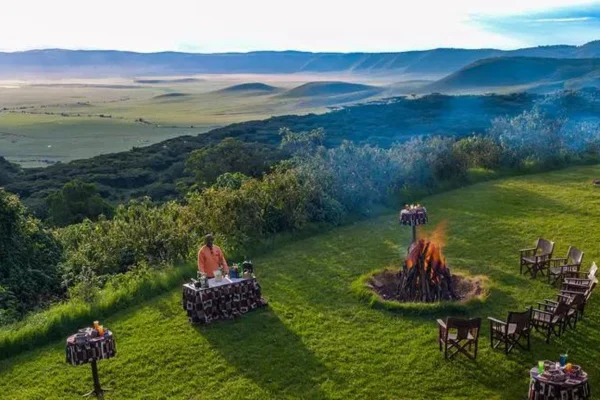
Dinner and overnight at Ngorongoro Farm House or a similar crater-rim lodge.
Tarangire National Park and Departure
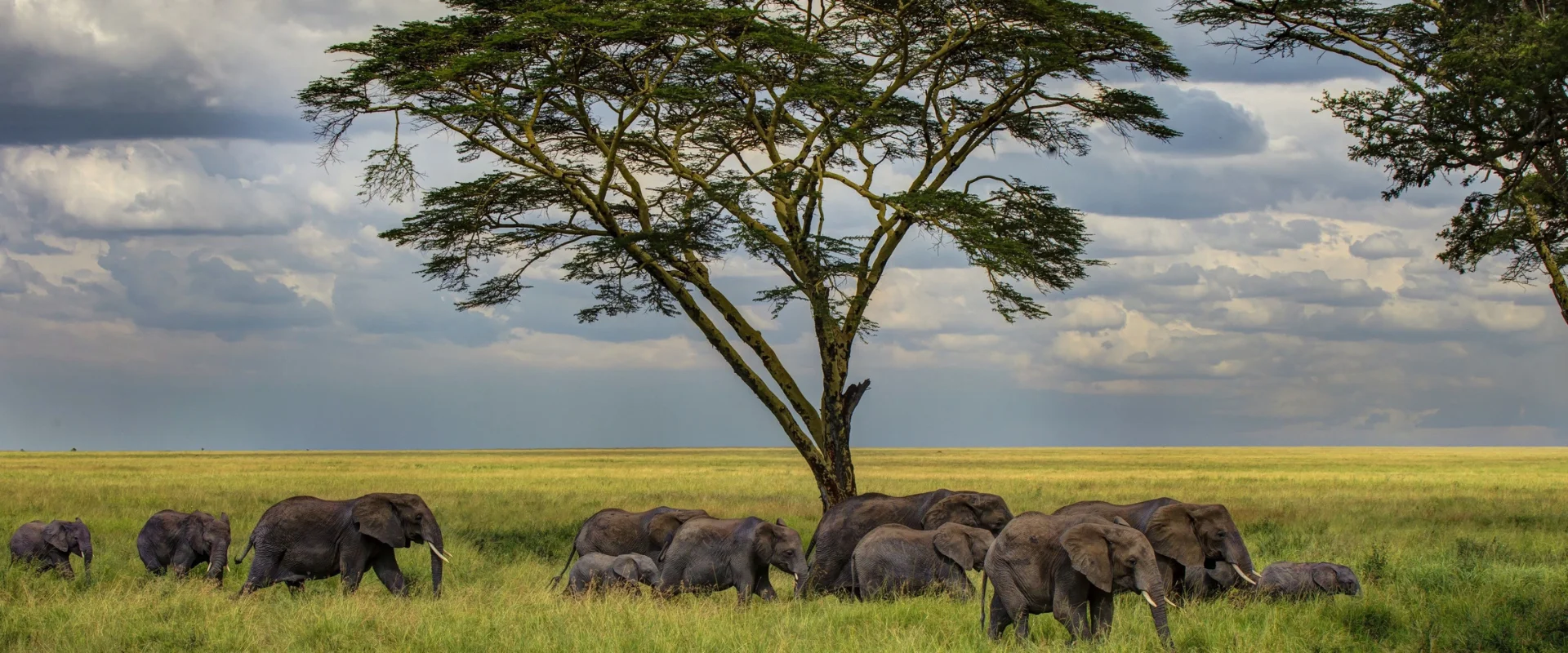
On your final morning, breakfast is followed by a scenic drive south to Tarangire National Park, a quieter reserve slightly off the main safari circuit that makes an excellent closing chapter to this Tarangire National Park Safari extension. Tarangire is best known for its elephant herds — among the largest concentrations in Tanzania — drawn to the permanent waters of the Tarangire River during the dry season, along with ancient, swollen baobab trees that dot the landscape. A half-day game drive here also turns up giant fig trees, dense birdlife and the chance of spotting lion resting up in the shade of an acacia.
In the late afternoon your driver-guide begins the final leg toward Kilimanjaro International Airport, pausing en route at a curio and craft market where you can pick up last-minute souvenirs. From there you are transferred directly to the airport for your onward or international flight home, bringing to a close a week that carried you across four national parks and two countries in pursuit of the Great Migration.
Basis: Bed, breakfast and lunch on this final day.
Photo Gallery
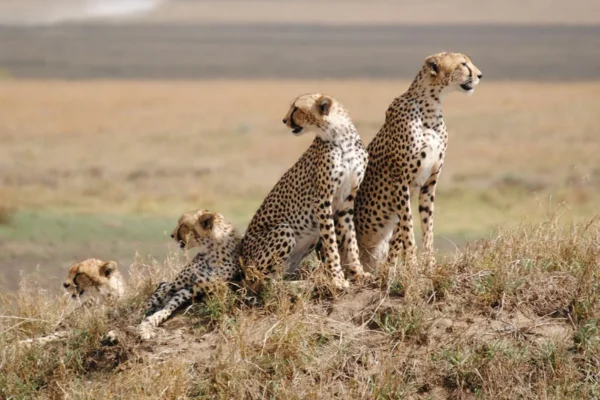
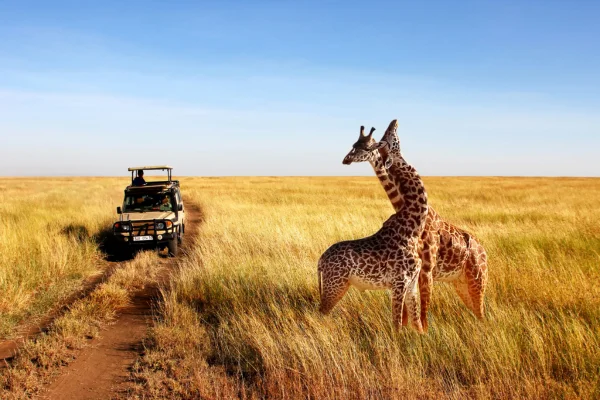
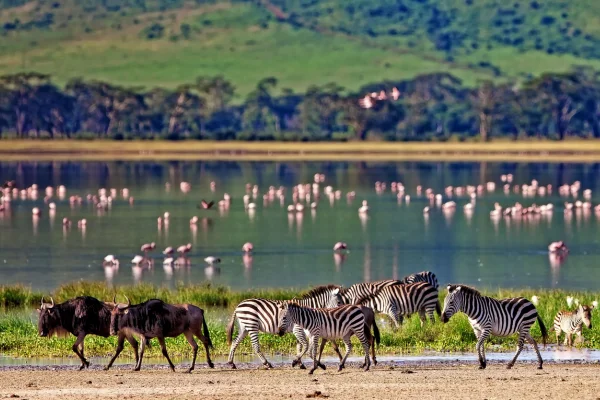
Explore the Destinations on This Safari
The Masai Mara National Reserve is Kenya's flagship wildlife destination and the opening chapter of this Kenya Tanzania Migration Safari. Its open, tree-studded grasslands support dense populations of lion, leopard and cheetah, along with huge numbers of elephant, buffalo and plains game such as topi, eland and Thomson's gazelle. Between roughly July and September, the reserve becomes the stage for one of the most dramatic phases of the Great Migration, as wildebeest and zebra force their way across the crocodile-filled Mara River. Even outside peak migration months, resident game viewing remains outstanding thanks to the reserve's year-round water sources and healthy predator density. Sundowners over the escarpment and dinners around a campfire, escorted by Maasai askaris, add to the immersive feel of a stay here.
Crossing the border from Kenya, the Serengeti National Park forms the beating heart of the wider migration ecosystem and gives this trip its Masai Mara Serengeti Ngorongoro Safari character. Its name, from the Maasai 'Siringet' or endless plains, captures the scale of the landscape — short grass plains in the south giving way to acacia savannah and, further north and west, denser woodland. The Serengeti holds one of Africa's largest resident lion populations along with strong numbers of leopard concentrated around the Seronera Valley. Roughly 500 bird species have been recorded here, and the park's sheer size means game drives regularly turn up fresh sightings even away from the main migration herds.
The Ngorongoro Conservation Area centres on the world's largest unbroken volcanic caldera, a natural amphitheatre that concentrates up to 25,000 large mammals within its walls year-round. Zebra and wildebeest dominate the grazing herds, while the crater is also known for its unusual all-bull elephant population and one of Africa's densest predator communities, including around 100 lion and sizeable spotted hyena clans. Because animals rarely leave the crater floor, game viewing here is remarkably reliable regardless of season, making it a fitting midpoint before the safari's final push south to Tarangire.
Tarangire National Park closes out this Tarangire National Park Safari with a quieter, less-visited atmosphere than the Mara or Serengeti. The park is famous above all for its elephants, which gather in some of the largest herds found anywhere in Tanzania, particularly during the dry season when they cluster around the permanent Tarangire River. Ancient baobab trees punctuate the landscape, giving the park a distinctive silhouette, while birding here is exceptional thanks to a mix of riverine, swamp and acacia woodland habitats. A half-day game drive is enough to appreciate why this park, though smaller and calmer, remains a favourite closing stop for travellers heading toward Kilimanjaro Airport.
What's Included
- Transport and game drives throughout in a 4x4 safari Land Cruiser fitted with a pop-up roof for optimal game viewing
- Full-board accommodation with breakfast, lunch and dinner included at every camp or lodge
- All transfers to and from the airport, hotels and lodges as detailed in the itinerary
- The services of a professional, English-speaking driver-guide for the full duration of the safari
- Unlimited mileage so your guide can follow wildlife sightings without restriction
- All park entrance fees and conservation fees for Masai Mara, Serengeti, Ngorongoro and Tarangire
- Bottled mineral water supplied throughout the safari
- Travel insurance coverage for the duration of the trip
Trip Planning Guide
This Kenya Tanzania Migration Safari is built around the Big Five and the seasonal drama of the Great Migration, but the day-to-day sightings extend well beyond that.
- Predators: Resident lion, leopard and cheetah across the Mara, Serengeti and Ngorongoro Crater, with some of the highest densities found anywhere in Africa.
- The Migration: Wildebeest and zebra herds, with dramatic Mara River crossings possible from July to September.
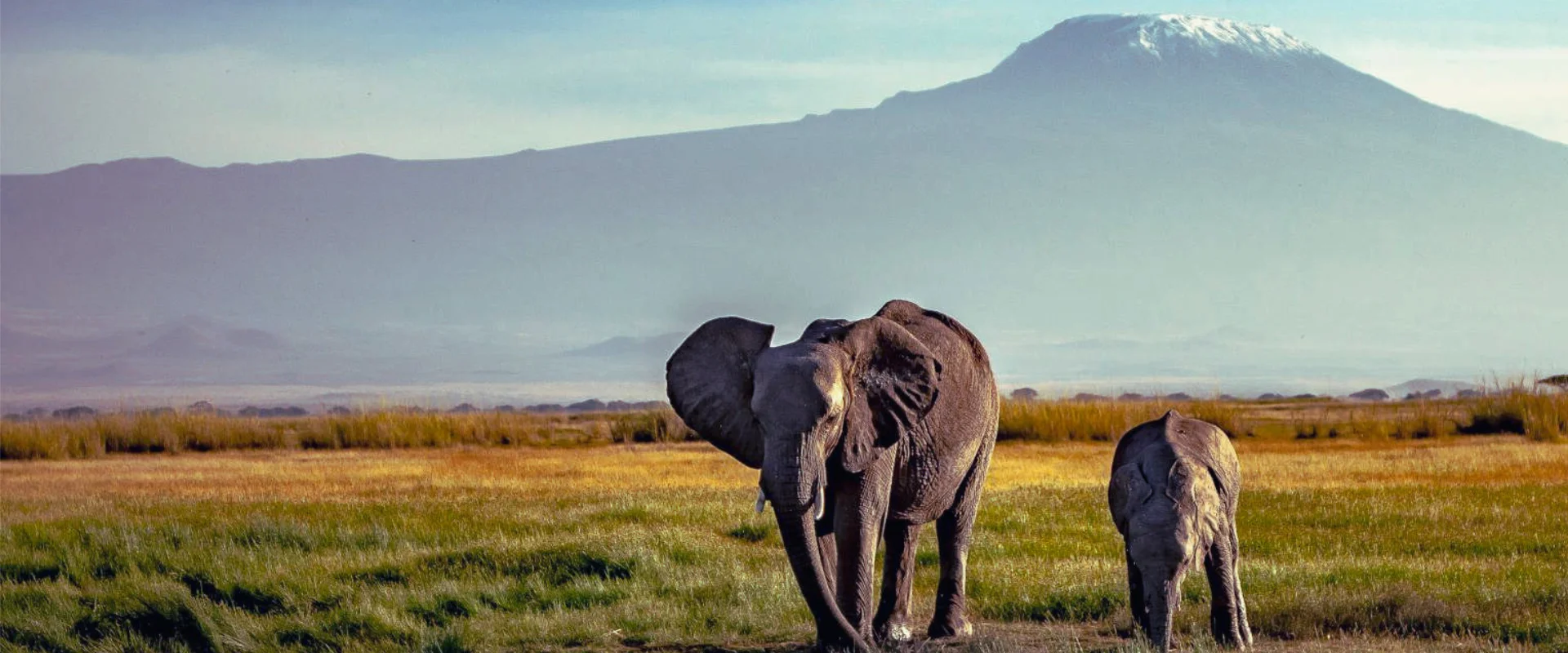
- Elephant: Large herds in the Mara, Serengeti and especially Tarangire, where sightings around the river are near-guaranteed in dry season.
- Birdlife: Roughly 500 species recorded in the Serengeti alone, plus strong sightings in the Mara and Ngorongoro highlands.
- Visa & entry: Kenya requires an eTA prior to arrival and Tanzania requires a separate visa; both are the traveller's responsibility and are not included in the package price.
- Border crossing: Day 4 involves an overland border crossing at Isebania between Kenya and Tanzania, with a change of driver-guide on the Tanzanian side.
- Altitude & climate: The Ngorongoro Crater rim sits at altitude and can be cool in the early morning and evening, even though daytime temperatures across the rest of the route are warm.
- Currency: US dollars are widely accepted for tips and incidentals in both countries; carry small denominations.
- Neutral-coloured safari clothing (khaki, olive, brown) plus a warm layer for early morning game drives and the cooler Ngorongoro highlands
- Broken-in walking shoes and comfortable closed shoes for the vehicle
- Wide-brimmed hat, sunglasses and high-SPF sunscreen
- Binoculars and a camera with a zoom lens for distant sightings
- Insect repellent and a basic personal first-aid kit
- A copy of your Kenya eTA and Tanzania visa, plus travel insurance documents
This 7 Day Migration Safari Kenya Tanzania can be enjoyed year-round, but timing shapes the experience considerably. July through September brings the wildebeest into the Masai Mara and offers the best odds of witnessing a river crossing, though camps are busiest and should be booked well ahead. January to March finds large herds calving on the southern Serengeti plains, with excellent predator action as young calves attract lion, hyena and cheetah. The long rains fall roughly April to May, thinning visitor numbers and lowering rates, though some roads can be muddy. The Ngorongoro Crater offers reliable game viewing in every season since its resident wildlife rarely leaves the caldera floor.
Tour Route Map
Frequently Asked Questions
The 7 Day Kenya Tanzania Migration Safari is priced from $2,000 per person sharing, including full-board accommodation, all park and conservation fees, a 4x4 Land Cruiser with driver-guide, and mineral water throughout the trip.
This 7-day itinerary moves at a slightly faster pace and closes with a half-day visit to Tarangire National Park before flying out of Kilimanjaro, whereas the 8-day version allows extra nights in the Serengeti and Ngorongoro for a more relaxed exploration of the same core ecosystem.
Mid-July through mid-September typically offers the best chance of seeing dramatic Mara River crossings, while January to March is ideal for witnessing the calving season on the southern Serengeti plains.
Yes. Kenya requires travellers to obtain an eTA before arrival, and Tanzania requires a separate visa, which can usually be arranged online in advance or on arrival at the border.
No, it is a straightforward overland crossing at Isebania. Your Kenyan driver-guide will assist with immigration formalities, and a Tanzanian driver-guide takes over for the onward journey into the Serengeti.
You travel throughout in a 4x4 safari Land Cruiser fitted with a pop-up roof, allowing everyone a clear, standing view for photography and game viewing.
Yes, a hot air balloon safari over the Masai Mara can be arranged as an optional extra at an additional cost, best booked in advance for your preferred morning in the Mara.
This particular route is designed to end with Tarangire's large elephant herds and baobab-studded scenery before the short transfer to Kilimanjaro Airport; travellers who prefer a Lake Manyara close should ask about our alternative 7 Days Kenya-Tanzania Safari.
You stay in comfortable tented camps and lodges in the Mara, Serengeti and Ngorongoro, all meeting Western standards of hygiene and comfort, on a full-board basis throughout.
Yes, solo travellers are welcome and typically join a shared group of up to 10 people in the same 4x4 vehicle, though private departures can also be arranged on request.
7 Day Kenya Tanzania Migration Safari