
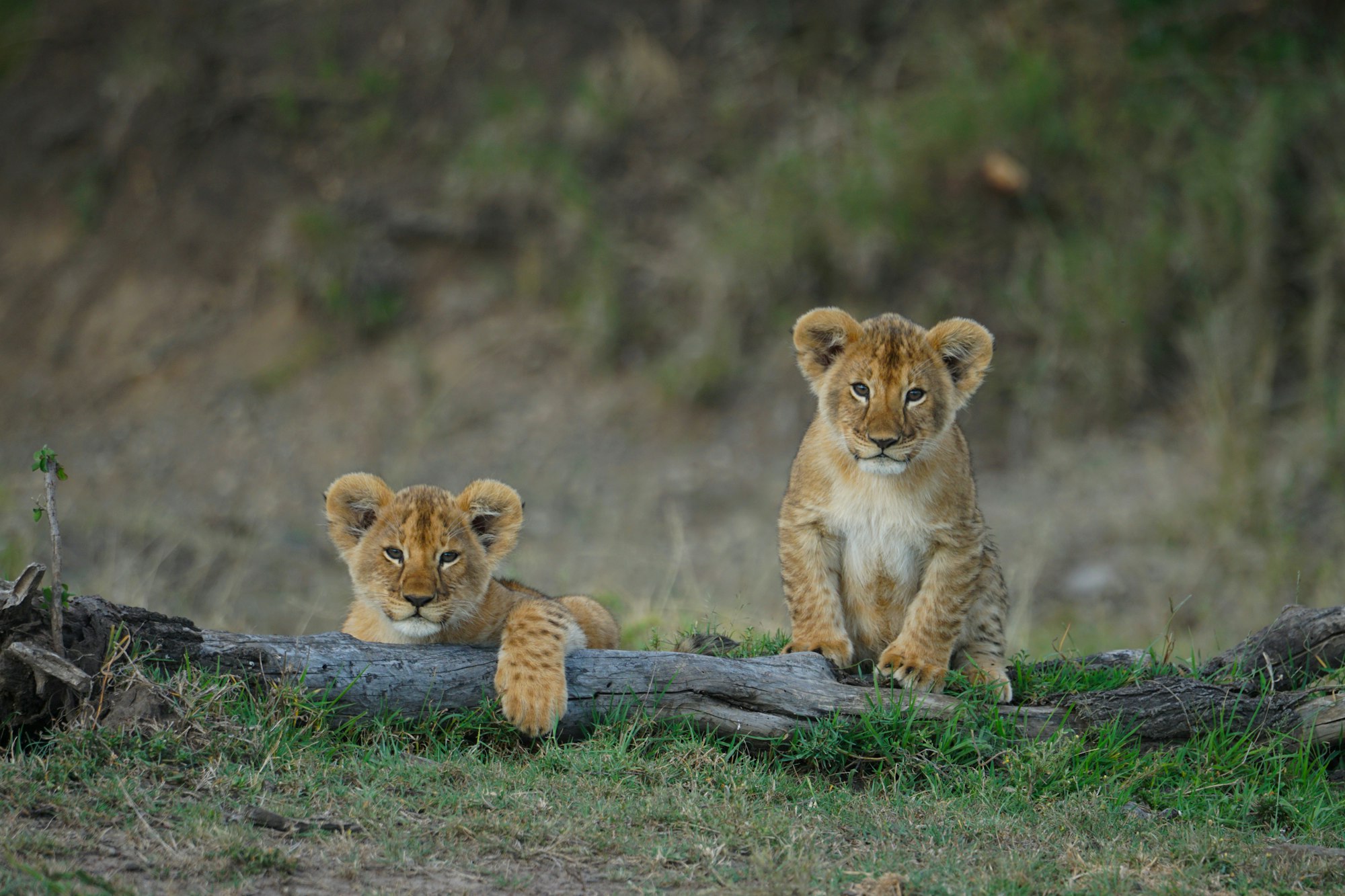
A four-day Masai Mara safari combines game drives, savannah scenery, and cultural discovery at an unhurried pace. It suits early-morning Nairobi arrivals from Europe or the UK.
This guide explains the itinerary, accommodation, transport, costs, and practical tips. When you are ready to travel, view the bookable 4 Days Masai Mara Safari package for help turning this plan into your Kenya adventure.
Key Takeaways
- Four days combine game viewing, possible Big Five sightings, cultural discovery, and time to relax at your camp or lodge.
- You can choose a luxury lodge, a tented camp, or a value-focused camp or modest lodge.
- Road and fly-in options suit different schedules and budgets; season, group size, and accommodation affect the price.
- Optional highlights include a hot-air-balloon flight, bush dining, sundowners, and a Maasai village visit.
Overview of the 4-Day Masai Mara Safari
You begin in Nairobi and travel through the Great Rift Valley to the reserve. Morning and afternoon drives give you repeated chances to see lions, elephants, buffalo, leopards, rhinos, giraffes, zebras, gazelles, and more in changing savannah light. Full-day drives, picnic lunches, and an optional balloon flight create a satisfying balance of adventure and comfort. Read more about the wildlife and landscapes of the Masai Mara National Reserve as you plan.
Your 4-Day Safari Itinerary in Masai Mara
Day 1: Arrival in Nairobi and Road Trip to Masai Mara
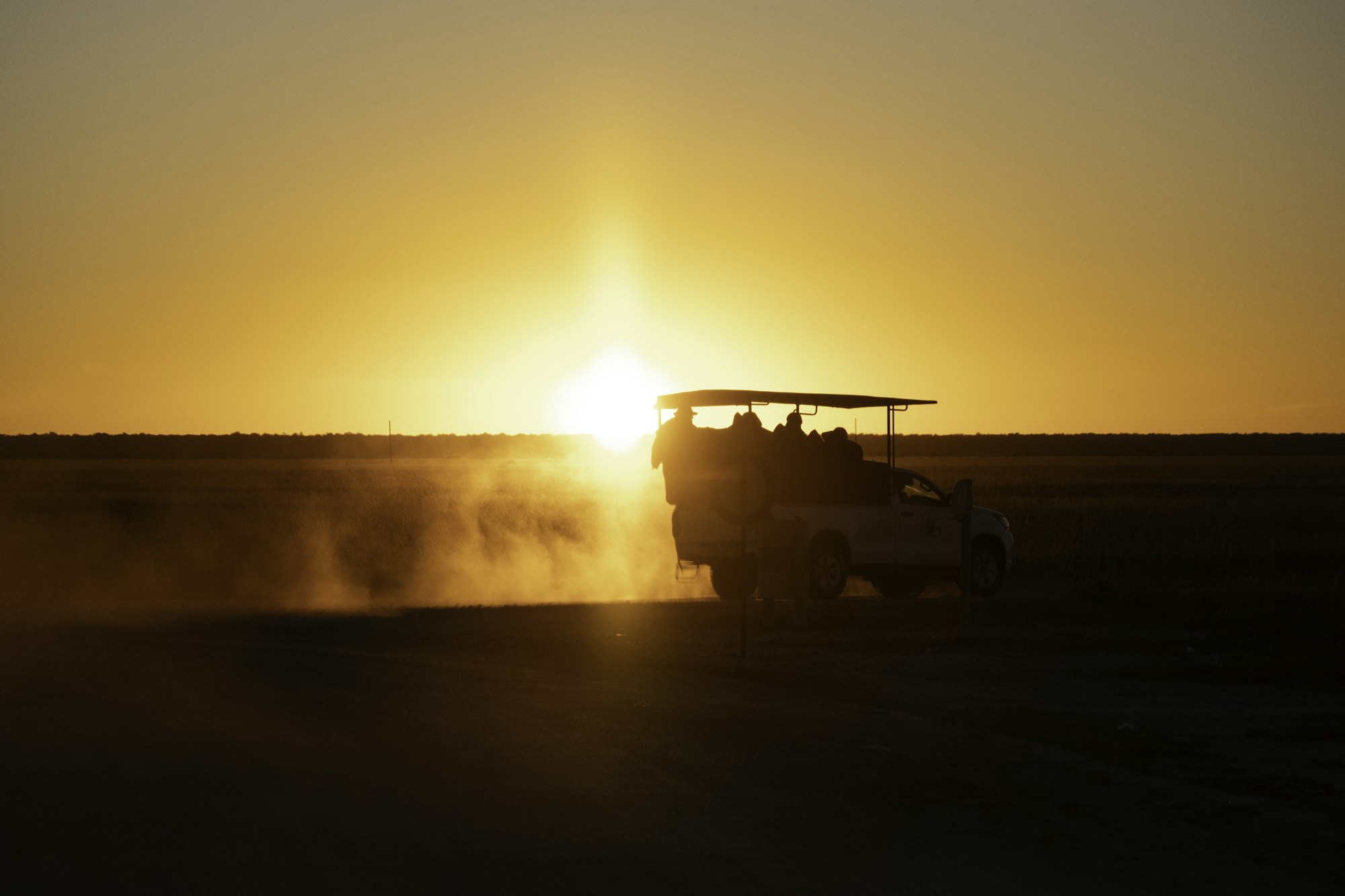
Ideally, you arrive in Nairobi at about 4:00 a.m. After a warm welcome at Jomo Kenyatta International Airport, you drive to the Masai Mara through the Great Rift Valley, with scenic views and photo stops. In Narok Town, stop for a break, shopping, and local life. On arrival, you check in and have lunch before a 3:00 p.m. game drive in search of rhinos, elephants, gazelles, and giraffes. You return for dinner, then an evening drive from about 6:00 p.m. offers another chance to see wildlife in its natural habitat.
Day 2: Full-Day Game Drive and Picnic Lunch
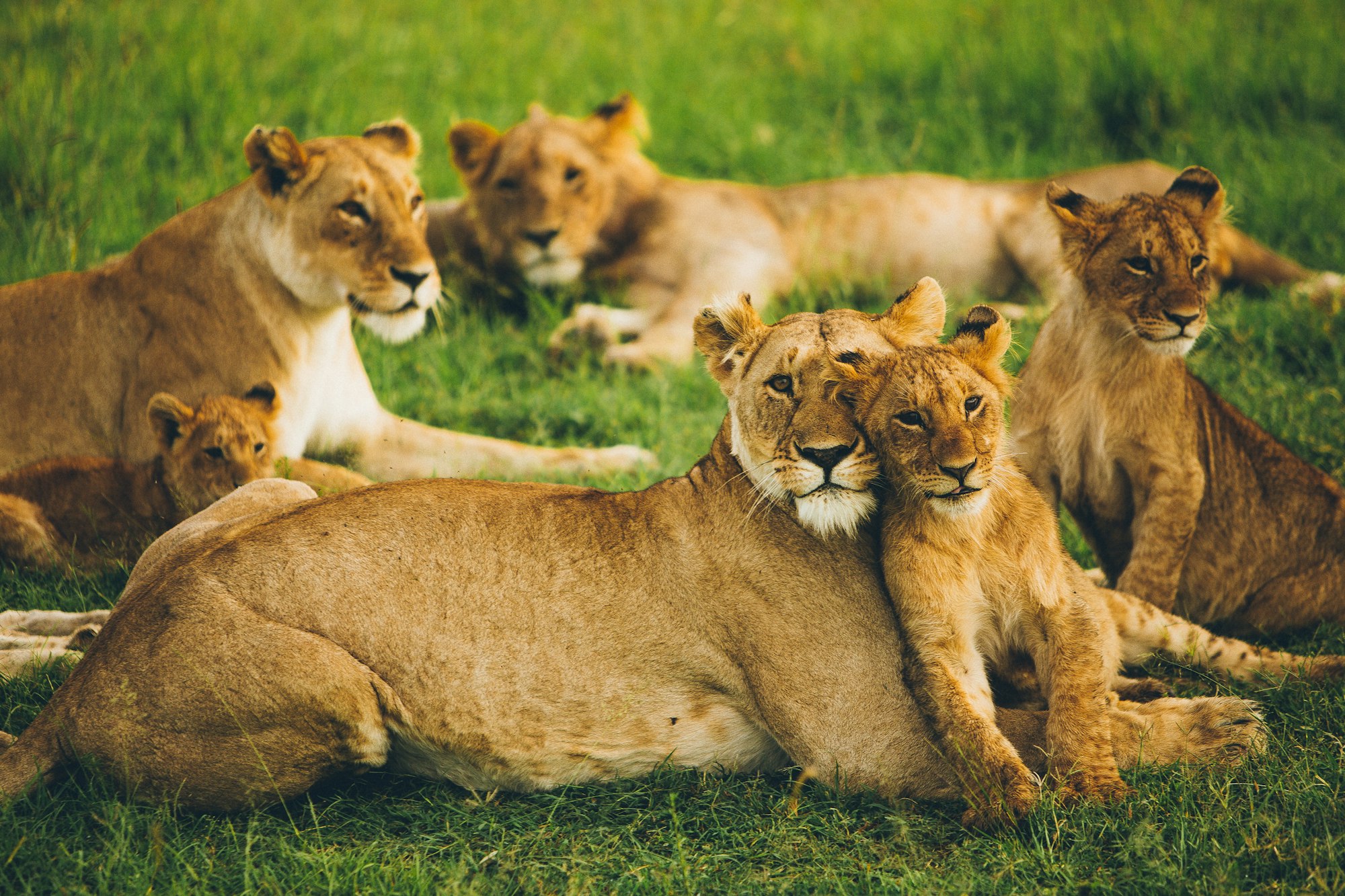
An early start gives you one of the best chances to see active predators such as lions and cheetahs. As you cross the plains, look for the Big Five alongside hippos, wildebeests, zebras, and other species. You enjoy a picnic lunch at a designated scenic spot inside the park, then continue game viewing until you return to camp at about 6:00 p.m.
Day 3: Optional Hot-Air-Balloon Safari and More Game Drives
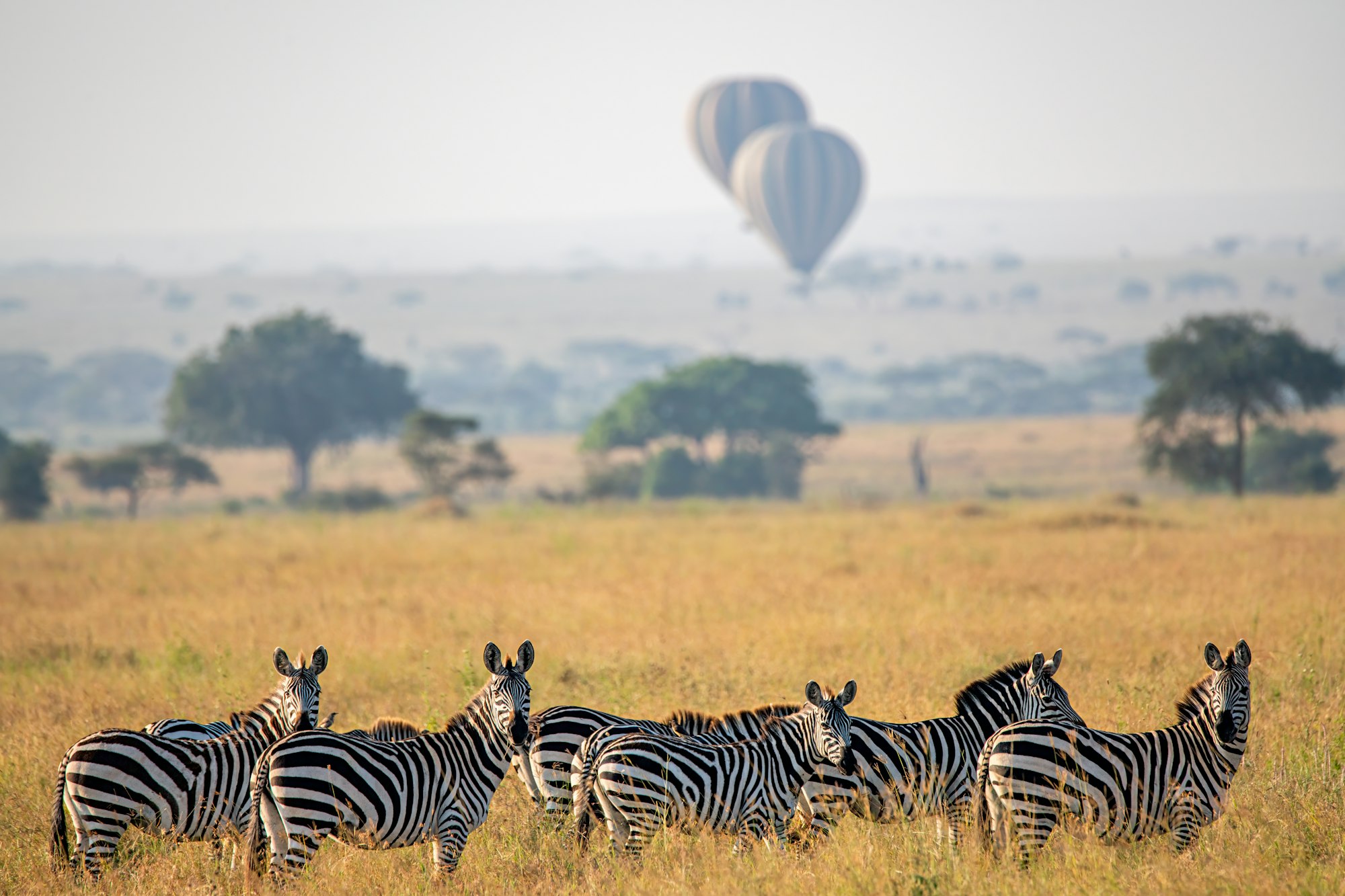
Add a dawn balloon safari for sweeping views of the savannah and wildlife below. The flight costs USD 485 for adults and USD 340 for children and is followed by a sumptuous bush breakfast. The rest of the day is for drives in different parts of the reserve, combining the aerial perspective with close ground-level sightings.
Day 4: Morning Game Drive and Return to Nairobi
Start with a final early game drive, then visit a Maasai village to learn about culture, traditions, and the community’s connection to the land. After breakfast and lunch, you travel back to Nairobi by road, a journey of approximately six hours, with time to reflect on your safari.
Accommodation Options in Masai Mara
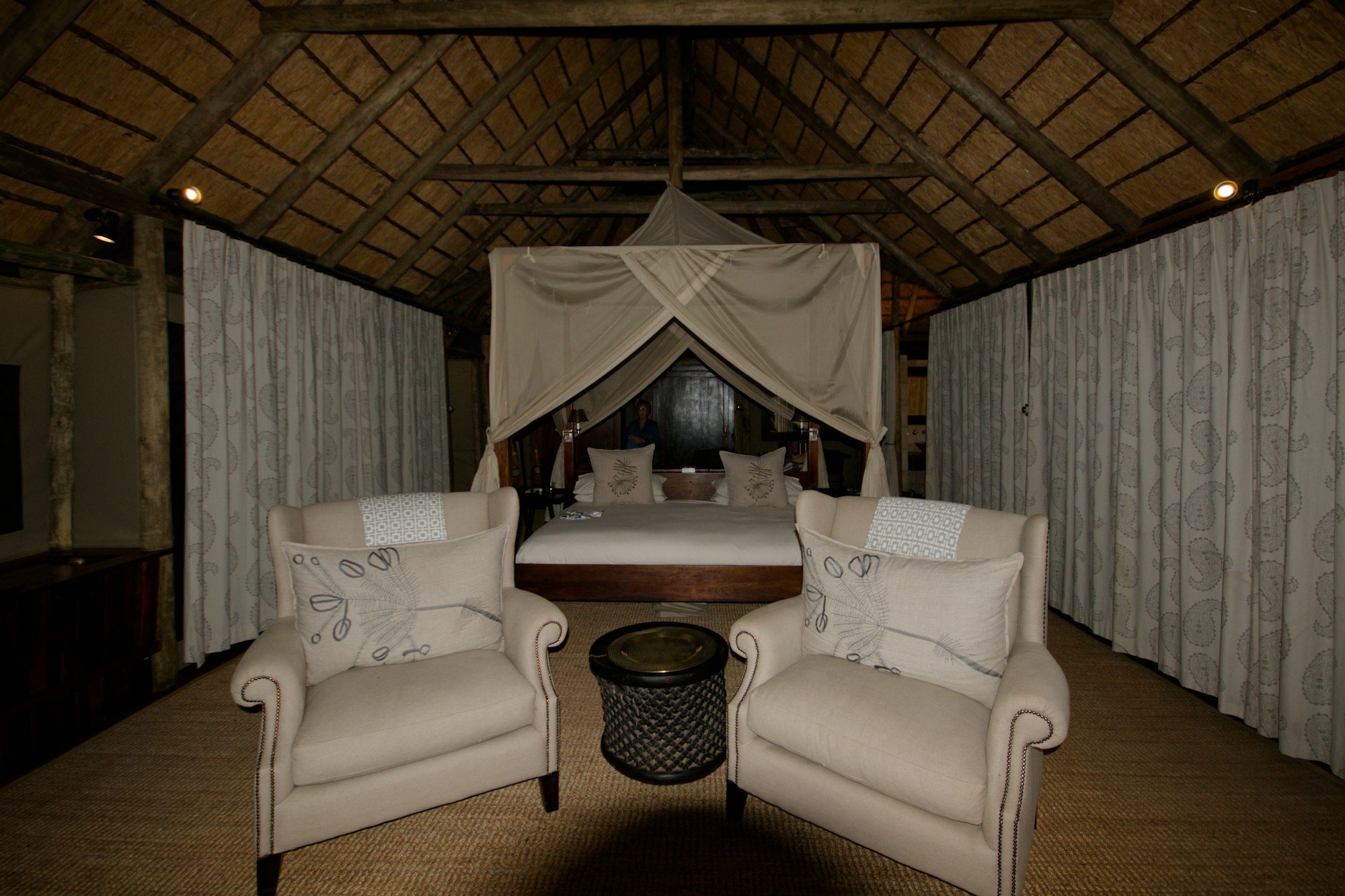
Luxury Safari Lodges
Luxury lodges such as Emboo River pair exceptional settings, including river bends and savannah views, with spacious decorated tents, possible private pools, spa services, gourmet meals, and personalised safari arrangements. Properties such as Mahali Mzuri can feel especially intimate because of their limited number of rooms.
Tented Camps
Tented camps such as Sentinel Mara Camp bring you closer to the sounds and sights of the wilderness while retaining comfort and warmth. Many seasonal camps emphasise sustainability; stays such as Basecamp Masai Mara can add eco-friendly and cultural experiences to your itinerary.
Budget-Friendly Options
Basic tented camps and modest lodges offer an affordable route into the Mara. Meals and game drives are often bundled, helping you enjoy excellent wildlife viewing without overspending or losing the heart of the safari experience.
Getting There and Getting Around
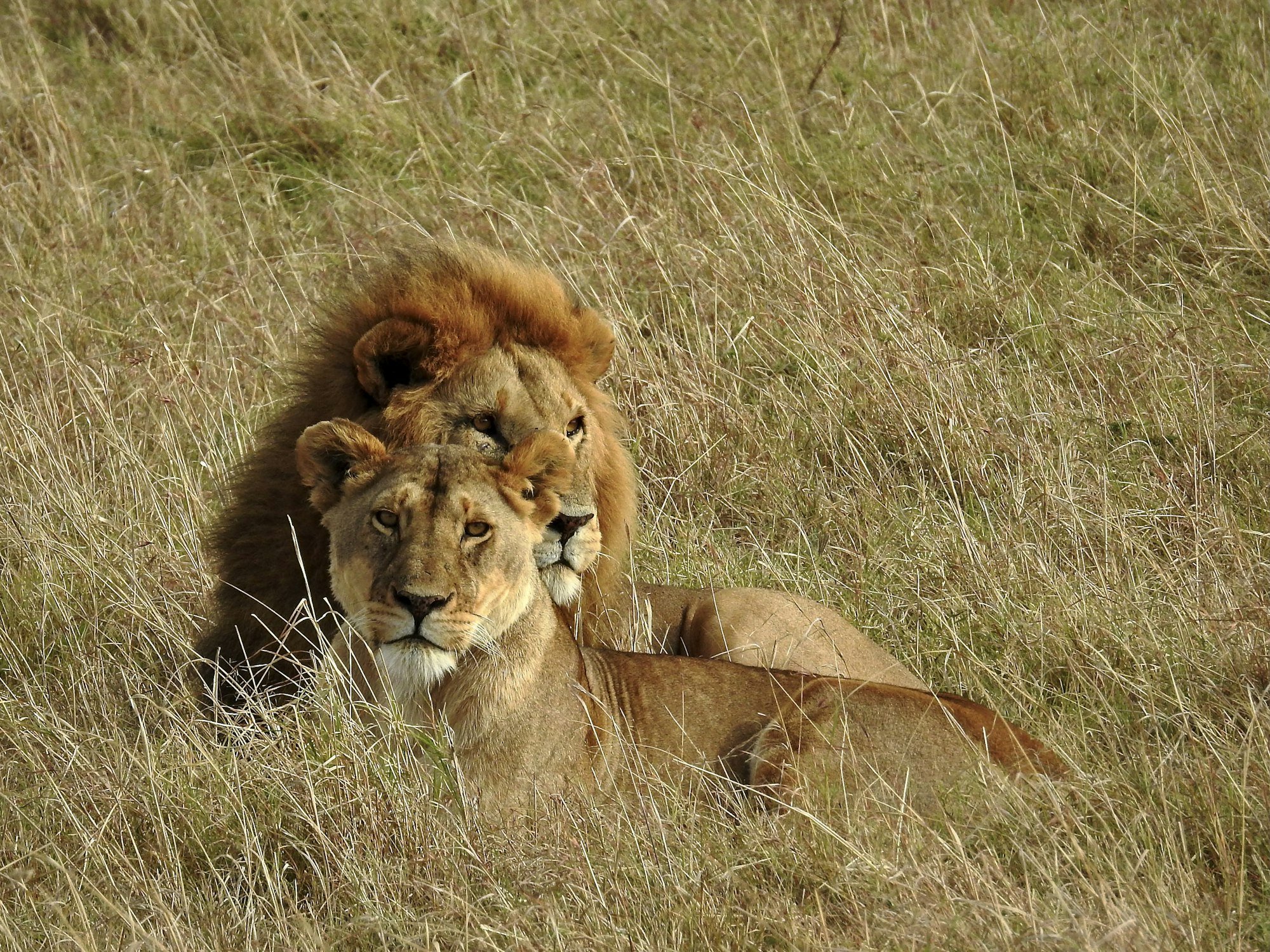
Scenic Road Transfers
The Nairobi-to-Maasai-Mara road journey covers about 284 kilometres and takes around 5.5 to 6 hours. Great Rift Valley and farmland views make the route part of the adventure. You travel in a comfortable 4×4 safari van or Jeep Land Cruiser with a pop-top for optimum wildlife viewing in the reserve.
Fly-In Safaris
If time is limited, a Nairobi-to-Maasai-Mara flight takes about 45 minutes and typically costs USD 185 to USD 240 per person. Fly-in arrangements can include round-trip tickets, accommodation, game viewing, and sometimes a hot-air-balloon ride, giving you more time in the reserve.
Key Attractions in Masai Mara National Reserve
From golden grasslands to far-reaching horizons, the Masai Mara is a living wildlife landscape. Browse the Masai Mara safari packages overview to compare experiences across the region.
Encountering the Big Five
The Big Five—lion, African elephant, rhinoceros, Cape buffalo, and leopard—are a major draw. You may see lions under an acacia, elephants crossing the plains, or an elusive rhino with patience and good timing. Your guide helps you observe safely and shares insight into animal behaviour. Keep quiet, avoid sudden movements, and follow your guide’s instructions to minimise disturbance.
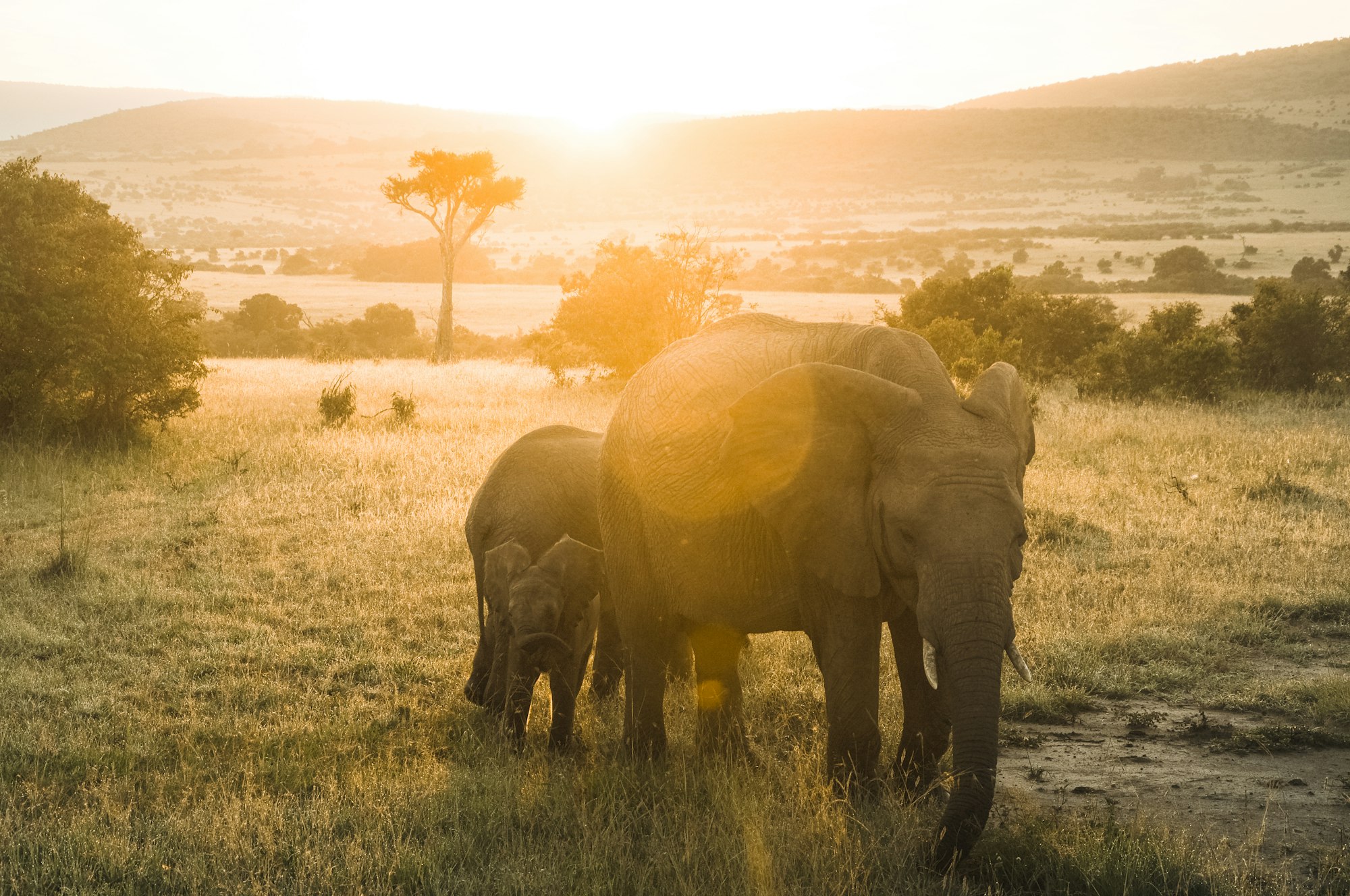
The Wonders of the Great Wildebeest Migration
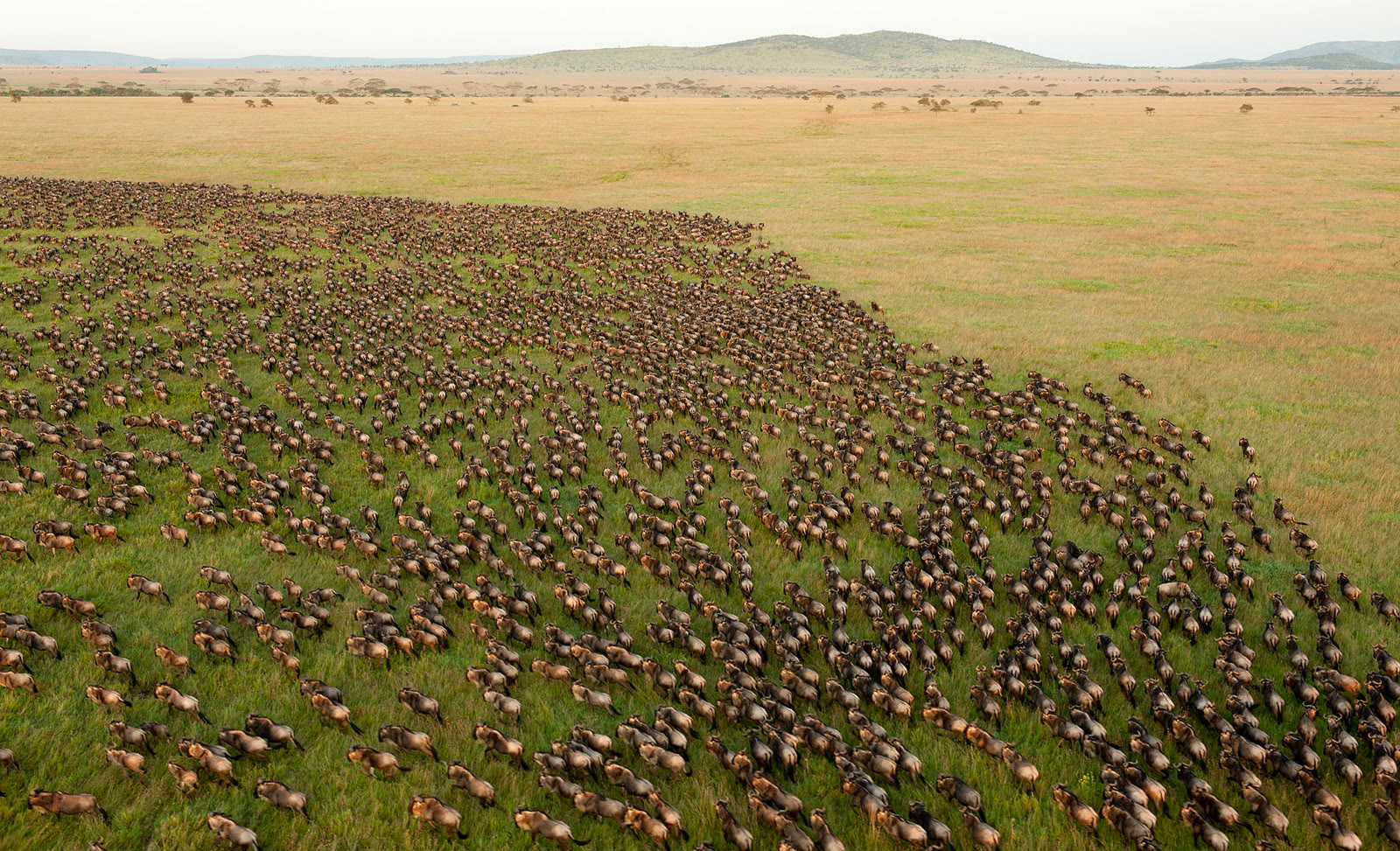
More than a million wildebeests, joined by zebras and gazelles, move from the Serengeti toward the Masai Mara in search of greener pasture. From July to October, the migration can include dramatic Mara River crossings, where crocodiles wait. Timing and crossings are never guaranteed, but the scale of the herds is unforgettable.
Cultural Insights at a Maasai Village
A village visit introduces you to Maasai traditions, values, and connection to the land. You may join the Adumu dance or see fire made with traditional methods. The small USD 25-per-person fee supports local traditions and helps make your safari a richer cultural experience.

Photo: Luckwicksen / Wikimedia Commons, CC BY-SA 4.0
Meals and Dining Experiences in the Masai Mara
Bush Dinners
Enjoy a bush dinner beneath the African sky, from a casual barbecue to a multi-course meal, often with traditional music, dance, and a bonfire. It is a memorable way to end a day of adventure.

Picnic Lunches
On full-day drives, packed lunch boxes can be enjoyed at designated scenic spots inside the reserve, keeping you close to wildlife. Most lodges offer picnic lunches at no additional cost.
Lodge Dining
Lodges and tented camps can cater for vegetarian, gluten-free, and other dietary requirements when you advise your planner in advance. Menus often combine local and international cuisine, from scenic breakfasts to satisfying dinners after game viewing.
Costs and Inclusions
Your total safari cost depends on dates, group size, transport, and accommodation. Use the Kenya safari cost guide to understand the factors before you compare options.
Safari Package Prices
Luxury tented camps can start at about USD 300+ per person per night in low season and rise to USD 600+ in peak season. Group travel can improve value through shared transport and accommodation. At the budget end, a three-day tour may start at approximately USD 350 per person, while a luxury version can reach USD 1,500. Children under 12 may receive discounts, and children under three may enter free.
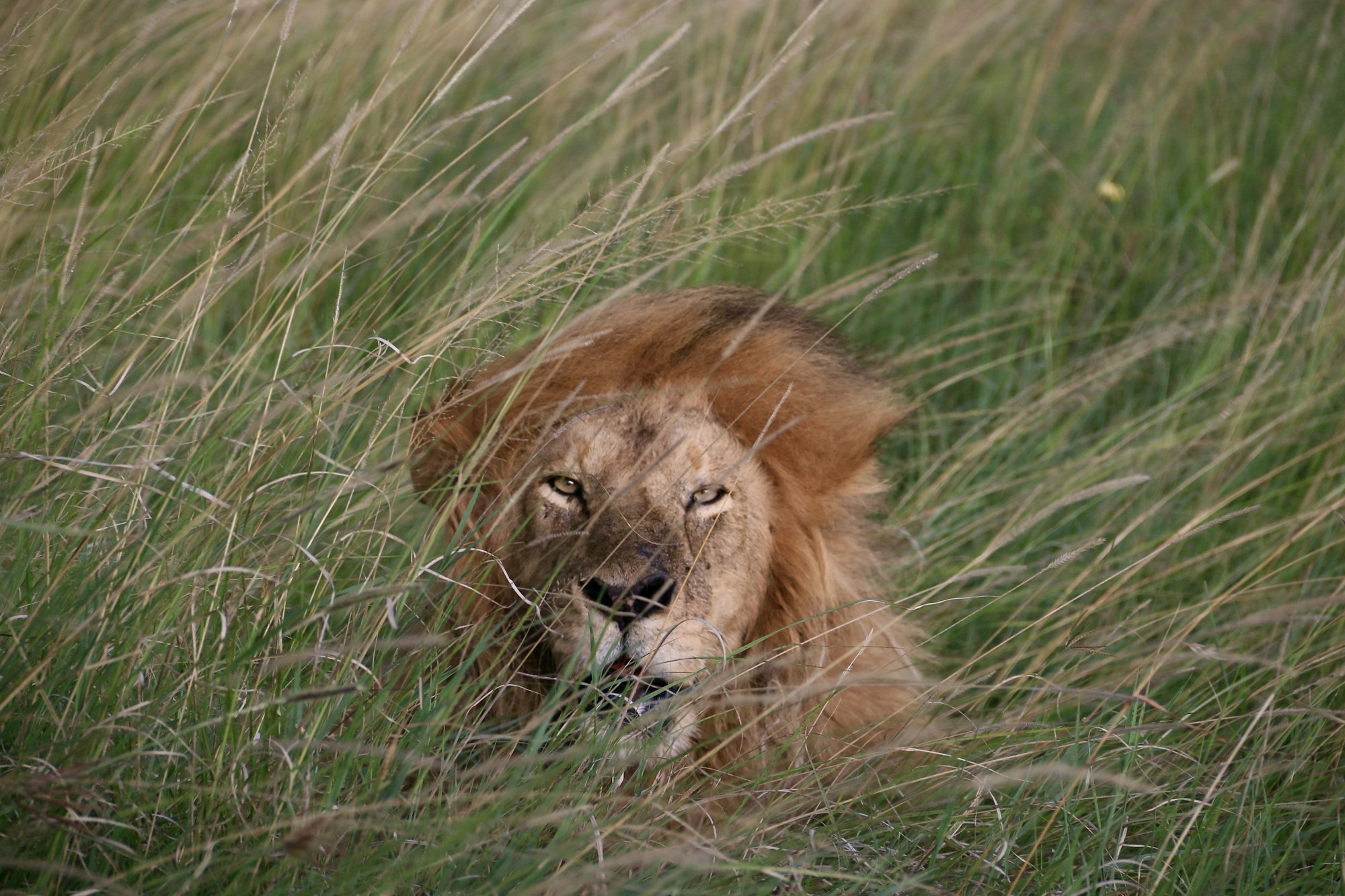
Included Services
Standard packages usually cover transport, accommodation, meals, park entry fees, and full-day game drives. The Masai Mara National Reserve entry fee is around USD 70 per adult for each 24 hours if you stay inside the reserve; confirm the exact inclusions because camp and flight arrangements differ.
Additional Costs
Optional sundowners cost about USD 35 to USD 60, depending on your hotel. A balloon safari costs USD 485 for adults and USD 340 for children. Check child rates and age conditions so your family or group has the best value.
Tips for a Successful Masai Mara Safari
What to Pack for the Masai Mara Safari
Pack lightweight, breathable clothes in neutral khaki or forest green, and avoid military-pattern clothing because of local regulations. Bring binoculars, a camera, sunscreen, insect repellent, and a reusable water bottle.
Best Time to Visit Masai Mara
June to October is ideal for wildlife viewing and associated with the Great Migration. March to May brings lush landscapes and often lower costs, while December to February offers excellent animal visibility. July and August can be especially exciting if Mara River crossings are your priority.
Safety Safari Tips
Stay hydrated, apply sunscreen regularly, and always follow your guide’s instructions. This keeps wildlife viewing safe, respectful, and enjoyable.
What Is the Best Time to Visit Kenya?
Kenya is rewarding year-round. Choose your travel window around your priorities: migration action in July or August, green scenery and possible savings from March to May, or dry-season visibility from December to February. For more practical advice, see our Kenya safari FAQs.
Summary
A four-day Masai Mara safari blends wildlife encounters, cultural learning, comfortable stays, and memorable dining. From the Big Five and the migration to bush dinners and Maasai village visits, you have time to experience the reserve rather than rush through it.
For a journey shaped around your dates and preferences, plan a tailor-made Kenya safari with Seremara Safaris. Or choose the ready-to-book 4 Days Masai Mara Safari package.
Frequently Asked Questions
Why is Masai Mara so expensive?
Masai Mara can cost more because of its worldwide reputation, migration-season demand, park fees, transport, and accommodation. Your dates, group size, and camp category all affect the final price.
What is the best time to visit the Masai Mara?
June to October is widely considered best for wildlife viewing, with the Great Migration often adding a major attraction. You can enjoy the reserve year-round, including greener and potentially better-value rainy periods.
What should I pack for a Masai Mara safari?
Pack lightweight neutral-coloured clothing, binoculars, a camera, sunscreen, insect repellent, and a reusable water bottle. Avoid military-pattern clothing and take layers for cool mornings and evenings.
Are meals included in the safari package?
Meals are generally included in standard packages with accommodation, transport, park entry fees, and game drives. Confirm the inclusions for your chosen camp, lodge, or fly-in arrangement before booking.
How much does a hot-air-balloon safari cost?
A hot-air-balloon safari typically costs USD 485 for adults and USD 340 for children, usually followed by a bush breakfast.
Ready to see the Masai Mara for yourself? Secure your place on the 4 Days Masai Mara Safari package and let Seremara Safaris turn four days in Kenya into lifelong safari memories.
Related Reading
- Destination Guide to East Africa — see how the Masai Mara compares with other top parks.
- Compare Kenya Safari Packages: Budget, Mid-Range & Luxury — find the accommodation tier that fits your trip.
- Kenya Honeymoon Safari: Romantic Getaways in Kenya — considering the Mara for a romantic getaway too.