
At dawn, the golden savanna stretches beneath a soft sky while elephants parade toward water holes and distant lion calls echo above dew-covered grass. The rhythm of wildlife in Kenya follows a seasonal beat – whether you seek herds surging across the Mara or rare rhinos grazing on fresh plains. Planning your Kenya safari is more than a matter of dry or wet days; it means aligning your adventure with animal patterns, weather shifts, and authentic encounters.
Key Takeaways
- Kenya offers rewarding safaris year-round; the best month depends on whether you prioritise migration, calving, birding, quieter parks, or value.
- For classic dry-season game viewing and the Mara migration, plan well ahead for June–October.
- Green and rainy periods reward flexible travellers with vivid landscapes, birdlife, fewer vehicles, and lower rates.
Every season has its own appeal, from the spectacle of the Great Migration to quiet green months blessed with prolific birdlife and newborn calves. This guide delivers a detailed roadmap for safari travelers – whether you’re a photographer chasing golden light, a family craving close wildlife encounters, or a planner seeking exclusive moments. For expanded travel resources and practical tips, consult our comprehensive Kenya safari guide.
Kenya’s Safari Seasons at a Glance
Kenya’s climate shapes your safari choices. High plateaus and sun-baked plains cycle through two main dry seasons and two rainy periods. These changes influence where wildlife concentrates, the accessibility of different parks, and the unique visual backdrops for your journey.
Kenya’s major safari seasons:
- Long dry season (June–October): Clear skies and crisp, cool nights coincide with sparse grasses, providing excellent wildlife visibility. This is the classic safari window, famed for the Great Migration on the Maasai Mara plains.
- Short dry season (December–March): Slightly warmer and greener, these months offer dynamic calving activity, predator-prey interactions, and big game visibility as shrinking waterholes concentrate animals.
- Long rains (March–May): Afternoon showers revive plains into lush expanses, drawing migratory birds and offering tranquil moments in quieted parks.
- Short rains (November): Brief rainfall brings vibrant landscapes, nesting birds, and low visitor numbers.
Factors that influence your timing:
- Wildlife migrations: Dry months attract wildlife to permanent rivers, while rains spread herds across the landscape.
- Road and weather conditions: Dry periods improve accessibility and game viewing; rainy months require skilled guides to navigate slippery trails.
- Crowd levels: July to October is busiest, attracting travelers to witness the migration. Green seasons deliver greater solitude.
- Pricing: Accommodation and park entry rates dip in rainy months, rising over peak events like migration and holidays.
Month-by-Month Breakdown of Kenya’s Safari Seasons
Precision planning benefits from understanding Kenya’s climatic pulse. The table below outlines monthly trends in weather, wildlife, and visitor experience, helping you pinpoint your ideal safari window.
| Month | Weather & Wildlife | Crowd/Cost | Best For | Booking Lead (2026) |
|---|---|---|---|---|
| January | Warm, dry, start of calving | Medium | Predator action, calving wildlife | 6–8 months |
| February | Dry, many newborns, high predation | Medium | Dramatic scenes, photography | 6–8 months |
| March | Early long rains, greener, afternoon showers | Low/Budget | Lush scenery, few tourists | 3–6 months |
| April | Peak long rains, vibrant growth | Low/Budget | Birdwatching, green photography | 3–6 months |
| May | End of long rains, clear, excellent birdlife | Low | Flora, migratory birds | 3–6 months |
| June | Rain clears, dry sets in | High/Peak | Big Five, migration arrivals | 6–12 months |
| July | Prime dry, migration begins | Highest/Premium | River crossings, predator action | 6–12 months |
| August | Peak dry, epic migration scenes | Highest/Premium | Great Migration, large herds | 6–12 months |
| September | Dry, ongoing migration, pleasant | High | Top game viewing | 6–12 months |
| October | End of dry, migration departs | High | Late migration, fewer crowds | 6–12 months |
| November | Short rains, new grass, bird arrivals | Low/Budget | Birdwatching, vibrant scenery | 4–6 months |
| December | Short dry, festive, visible wildlife | High | Family trips, elephant gatherings | 6–8 months |
Quick planning tips:
- Maasai Mara & Great Migration: Book camps from July through October at least 6–12 months ahead.
- Rainy months (March–May, November): Value rates and superb photography, but some camps may close or adjust activities.
- Festive periods: December and January attract families; make reservations early to secure your preferred guide and camp.
Best Times for Key Kenyan Safari Experiences
Aligning your trip with wildlife cycles, seasonal spectacles, and special interests can create unforgettable moments. Here’s when to witness Kenya’s most iconic safari events and natural marvels.
For a detailed Mara-specific decision guide, see how to choose the best safari in Maasai Mara.
The Great Migration: July to October in the Mara
- What to witness: From late June until early October, millions of wildebeest, zebras, and gazelles cross from Tanzania’s Serengeti to Kenya’s Maasai Mara. The Mara River hosts breathtaking crossings, while big cats and crocodiles wait at every turn.
- Where to go: Core action transpires along the Mara River. Private conservancies (like Mara North or Naboisho) offer premium views without crowds.
- Travel strategies: July and August feature the most dramatic river crossings but are busiest. Early June or late October can deliver thrilling migration events with more privacy.
- For options on itineraries and prime migration access, see Masai Mara National Park safari tours.
Calving Season and Predator Activity: January to March
- New life and drama: February brings the wildebeest calving season. Predators such as lion, leopard, and cheetah are highly active, with hunting scenes set on misty sunrises.
- Photographers’ window: Calving clusters and predator activity combine for powerful storytelling opportunities.
- Where to visit: Southern Mara, Amboseli, and central parks.
Birdwatching and Photographic Highlights
- Birding peak: October through March is best for migratory species – lake regions like Nakuru and Baringo teem with flamingos and other spectacular birds.
- Emerald (Green) Season: From March to May, landscapes are vivid, light is dramatic, and wildlife disperses, creating rare, intimate sightings ideal for avid photographers.
- Trip ideas: Choose parks with varied habitats for maximum diversity; birders and photographers thrive in quieter months.
Ready to travel in the season that suits you?
Explore safari packages built around Kenya’s most rewarding wildlife windows:
- 8-Day Kenya & Tanzania Migration Safari — follow the great herds across two iconic ecosystems.
- 5-Day Serengeti Migration Safari — add Tanzania’s migration landscapes to your plans.
- Browse all Kenya Safari Packages — find the perfect fit for your trip.
Top Parks and Regions to Visit by Season
Each region in Kenya offers something remarkable in every season. Choosing your destination based on animal concentrations, scenery, culture, or privacy can elevate your adventure.
| Park or Region | Peak Months | Unique Seasonal Features |
|---|---|---|
| Maasai Mara | July–October | Migration crossings, big cats, active wildlife |
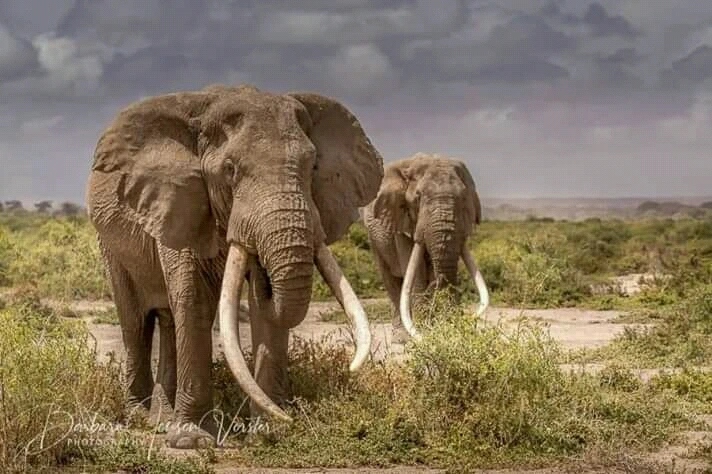
| Amboseli National Park | June–Oct / Dec–Mar | Elephant herds, scenic Kilimanjaro views, optimal visibility |
| Tsavo East & West | Jun–Oct, Jan–Feb | Red elephants, rugged landscapes, fewer visitors |
| Laikipia/Ol Pejeta | Dec–Mar, Jun–Oct | Rhino conservation, walking safaris, exclusive access |
| Solio Conservancy | June–Oct, Dec–Mar | Premier rhino sanctuary, low guest density |
| Lake Nakuru | Nov–Mar | Flamingos, migratory birds, rhino sightings |
| Samburu/Buffalo Springs | Jun–Oct, Jan–Mar | Special five species, exciting predator encounters |
Explore additional Kenya safari travel destinations to suit your interests and preferred seasonal highlights.
For Lake Nakuru’s rhino and birdlife, explore our Lake Nakuru National Park safari guide.
Seasonal notes:
- Maasai Mara: Peak excitement during migration (July–October), yet rewarding year-round.
- Amboseli: Offers dramatic sunrise views of Mount Kilimanjaro in long dry spells, attracts large elephant gatherings to watering holes.
- Tsavo: Striking scenery and a diversity of wildlife year-round; ideal for those seeking fewer crowds.
- Laikipia & Solio: Focused on conservation and privacy, with premium rhino viewing and excellent walking safaris.
- Northern Parks: Samburu specializes in rare species and predator action, especially during the dry season.
Booking and Planning Tips for Kenyan Safaris in 2026
Kenya’s premier safari experiences command early planning. The most sought-after camps and guides can fill a year or more in advance, especially during high seasons and special events. A successful trip blends timing, budget, and understanding of seasonal rhythms.
Recommended Booking Timelines
- High-demand periods (Great Migration, prime Mara, exclusive private reserves): Secure preferred accommodation 9–12 months in advance (July–September).
- Calving, predator seasons (Short dry): Reserve 6–8 months ahead for Amboseli, Laikipia, or family packages.
- Green season/rainy months: Book 3–6 months in advance for the best rates and to ensure flight connections, especially around local holidays.
Budget and Crowd Strategies
- Peak months (July–October, December–January): Expect higher rates and full lodges; book group safaris or confirm early for best value.
- Rainy/low seasons: Enjoy reduced prices, tranquil camps, solo wildlife encounters, and generous upgrade opportunities.
- Choice of safari style: Select from luxury tented camps, private vehicle options, or comfortable budget group safaris.
Travel Logistics and Health Requirements
- Entry authorization: Kenya’s mandatory eTA (electronic Travel Authorization) must be obtained prior to arrival. Ensure your passport is valid for at least six months and has two blank pages.
- Vaccinations: Yellow fever vaccination is required if arriving from certain regions. Malaria prophylaxis is advised throughout Kenya. Schedule a consultation with a travel health clinic 4–6 weeks before departure.
- Travel insurance: Choose a policy that includes medical evacuation, as most safaris take place in remote areas where facilities may be limited.
- Packing essentials: Light clothing, layers for cool nights, waterproof gear for March–May or November trips, quality binoculars, sun protection, and closed shoes.
This guide provides informational content only. For health, visa, or insurance matters, always consult qualified professionals and official government sources.
Customizing Your Safari
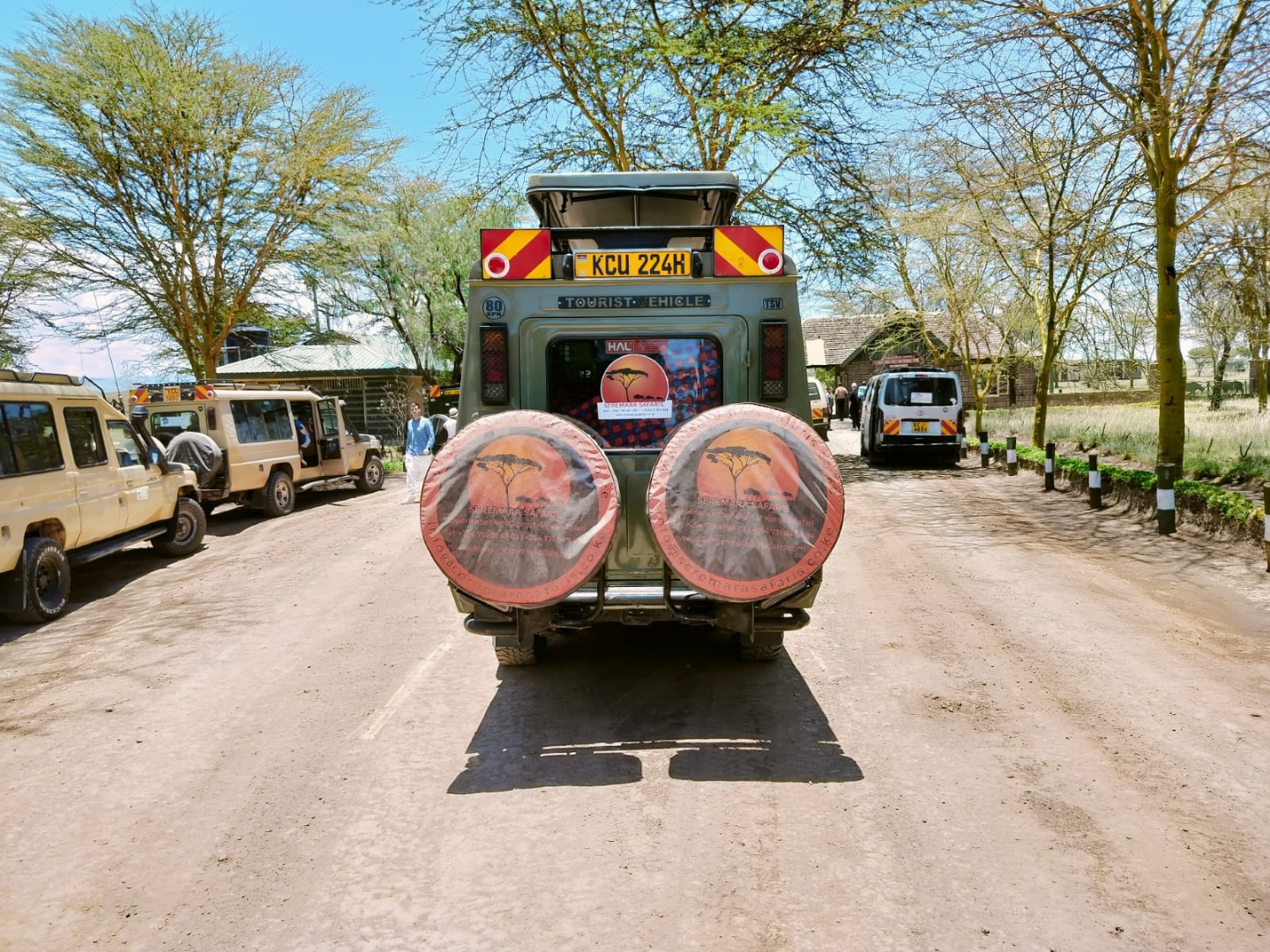
Seremara Safaris specializes in personalized journeys – combining wildlife, culture, and adventure into tailor-made itineraries for any traveler. Whether you want to track big cats, join community visits, tour by luxury or with a small group, or immerse in the photographic “green season,” expert consultants are available to craft your perfect experience. For ideas or planning assistance, review customized Kenya safari packages or contact our travel consultants directly.
Pros, Cons, and Alternatives for Visiting Different Seasons
Choosing the ideal travel window involves balancing crowd levels, wildlife density, cost, and environmental beauty. The table below summarizes advantages and drawbacks for each season, along with off-peak alternatives.
| Season | Pros | Cons | Alternative Highlights |
|---|---|---|---|
| Long Dry (Jun–Oct) | Premier wildlife, migration, easy roads, clear views | High prices, large crowds, advanced booking | Private conservancies, Tsavo for uncrowded game viewing |
| Short Dry (Dec–Mar) | Calving events, predator action, moderate visitors | Warm days, competitive bookings | Laikipia rhino walks, Samburu for rare animals |
| Long Rains (Mar–May) | Green scenery, low rates, exclusive moments | Mud, some camps close, wildlife disperses | Birdwatching at Baringo, open private reserves |
| Short Rains (Nov) | Fresh landscapes, migratory birds, few tourists | Intermittent rain, limited access on some roads | Emerald Mara, Solio Conservancy for rhinos |
What to keep in mind:
- Dry seasons mean gatherings at waterholes, high visibility, and more visitors, which requires planning and flexible itineraries.
- Green or rainy seasons feature rejuvenated landscapes, dramatic lighting, fewer vehicles, and special rates – well-suited for photographers and those seeking solitude.
- Alternative parks and private reserves provide less crowded, high-quality game viewing even during traditional off-peak months.
Frequently Asked Questions about Kenya’s Safari Seasons
When is Kenya’s Great Migration visible?
July to October. Herds cross the Mara River, creating intense predator-prey interaction. Early booking is necessary for top spots.
What is the most affordable time for a safari?
During the rainy months (March–May and November) when demand is low, accommodations often offer lower rates, and the parks are quieter.
How far ahead should a 2026 safari be booked?
Reserve lodgings and guides 6–12 months before peak seasons, especially for the Mara and luxury camps. For green season, bookings 3–6 months in advance are usually sufficient.
Is traveling during the rainy season worthwhile?
Absolutely. Crowds are few, birdlife flourishes, parks are green, and you can enjoy tranquil game drives with personalized guide attention.
Where are the best rhino sightings?
Solio Conservancy, Laikipia’s Ol Pejeta, and Lake Nakuru present Kenya’s top, consistently productive rhino viewing due to strong conservation policies.
Why visit in calving season?
January to March is calving time. Predator sightings increase, and witnessing new life on the plains creates dynamic photographic stories.
Does the weather affect wildlife spotting?
Yes. Dry seasons bring wildlife to permanent water, making game viewing easier. In the rains, animals disperse but landscapes reward with unique views and dramatic skies.
Are alternatives to Maasai Mara available during busy times?
Definitely. Consider Mara private conservancies, Tsavo East/West, Laikipia, Samburu, or Solio for excellent wildlife and genuine exclusivity.
What vaccinations or travel documents do I need?
Yellow fever vaccination (if coming from affected areas) and malaria prevention are advised. An eTA is mandatory for entry. For full, current details consult medical and government sources before planning.
Can I combine safari and beach holidays?
Yes. Destinations like Diani, Malindi, and Lamu combine well with December–March safaris, matching dry weather at coast and inland parks.
Choose dates around the experience you value most, then let a local expert shape the details. Contact Seremara Safaris for a tailor-made Kenya safari that works with your preferred season, pace, and budget.