Uncategorized

Uncategorized

Complete Safari Guide 2026 Best Safaris from Nairobi (2026): Packages, Parks & Honest Advice From 3-day Masai Mara fly-ins to 13-day Kenya–Tanzania overland adventures — compare every Nairobi-starting safari by duration, price, parks, and travel style. Explore Safari Packages Compare All Safaris 8+ Safari Packages 6 National Parks 3–13 Days Duration Big 5 Accessible from Nairobi Home / Kenya Safaris / Safaris from Nairobi Why Start Your Kenya Safari from Nairobi? Nairobi is East Africa’s principal transport hub — home to Jomo Kenyatta International Airport and Wilson Airport for domestic safari flights. Most international visitors land here, making it the natural starting point for virtually every Kenya safari. What many travelers don’t realize is that Nairobi itself offers a genuine safari experience: Nairobi National Park sits just 7 kilometers from the city center, where you can photograph lions and giraffes with skyscrapers in the background — the only national park in the world inside a capital city. From Nairobi, you can reach Masai Mara by road in 4–5 hours or by air in 45 minutes. Amboseli lies 240 km to the south, Lake Nakuru 160 km to the northwest, and Tsavo stretches 200 km to the east. This proximity means safaris from Nairobi range from quick overnight trips to extended multi-park itineraries — with no wasted travel days. This guide compares every major Nairobi-starting safari package in 2026, with honest detail on pricing, logistics, and which traveler each itinerary suits best. Nairobi National Park — wildlife meets the city skyline How We Evaluated 5 Criteria for Choosing Safaris from Nairobi We compared every Nairobi safari package against five practical criteria that matter most to travelers Travel Distance How far is each park from Nairobi — and does road or air transfer make more sense? Wildlife Diversity Which parks deliver the Big Five, and which specialize in specific species or landscapes? Value for Money Does the package price justify the parks visited, accommodation standard, and inclusions? Travel Style Fit Private, shared, luxury, or budget — which package matches how you like to travel? Time Efficiency How many days do you actually need to see each park well — without padding the itinerary? The Complete Lineup 8 Best Safari Packages from Nairobi, Ranked From short Masai Mara breaks to cross-border Kenya–Tanzania adventures — every package that starts from Nairobi. Explore all Kenya Safaris → 1 Most Popular 1. 3-Day Masai Mara Safari from Nairobi The most-booked safari from Nairobi — two full days of Big Five game drives in Kenya’s flagship reserve, with road or fly-in options from the capital. 3 Days / 2 Nights Masai Mara From €580/person Why This Safari from Nairobi Stands Out Road transfer from Nairobi takes 4–5 hours through the Great Rift Valley — a scenic journey in itself 45-minute Wilson Airport flight option for travelers who want maximum time in the Mara Two full days of morning and afternoon game drives covering the reserve’s most productive areas Chance to see all Big Five, plus cheetahs, hippos, and over 450 bird species Ideal for first-timers and travelers with limited time in Kenya Considerations Only one park — no landscape variety. Road transfers can be bumpy on the final stretch. Migration river crossings require July–October timing and at least 4 days for reliable viewing. For more parks in one trip, consider the 7-Day Best of Kenya or 6-Day Amboseli + Nakuru. View 3-Day Mara Safari All Masai Mara Safaris 2 Two Parks, One Trip 2. 6-Day Amboseli & Lake Nakuru Safari from Nairobi Combines Kilimanjaro-backdrop elephant herds in Amboseli with flamingo-lined Lake Nakuru — two of Kenya’s most photogenic parks in one efficient itinerary from Nairobi. 6 Days / 5 Nights Amboseli + Lake Nakuru From €1,350/person Why This Safari from Nairobi Stands Out Amboseli delivers iconic elephant herds against Kilimanjaro — one of Africa’s most photographed scenes Lake Nakuru offers rhino sightings (both black and white) and massive flamingo flocks Both parks are within 250 km of Nairobi — manageable road distances without long drives Great landscape variety: volcanic plains, soda lake, acacia forest, and Rift Valley escarpments Fewer crowds than Masai Mara, especially in Amboseli’s private conservancies Considerations No Masai Mara included — you miss the Big Cat capital. Lake Nakuru’s flamingo numbers fluctuate with water levels. Amboseli can feel hot and dusty in dry season. View 6-Day Amboseli + Nakuru All Amboseli Safaris 3 Best Overall Value 3. 7-Day Best of Kenya Safari from Nairobi The sweet spot for travelers who want Kenya’s three flagship parks — Masai Mara, Amboseli, and Lake Nakuru — in a single well-paced week starting from Nairobi. 7 Days / 6 Nights Masai Mara + Amboseli + Lake Nakuru From €1,800/person Why This Safari from Nairobi Stands Out Covers Kenya’s three most iconic parks — Big Five in the Mara, elephants under Kilimanjaro, and rhinos at Nakuru Logical route: Nairobi → Lake Nakuru → Masai Mara → Amboseli → Nairobi, with no backtracking Two days in each park gives enough time for quality sightings without rushing Includes the Great Rift Valley viewpoint and Lake Naivasha as a scenic stop Best value-per-park ratio of any Nairobi-starting safari Considerations Six travel days means some long road transfers between parks. Accommodation varies between mid-range and standard — not a luxury-focused trip. July–October is ideal; green season offers lower prices but patchier wildlife. View 7-Day Best of Kenya All Kenya Safari Packages 4 Maximum Bush Time 4. Fly-In Safaris from Nairobi Skip the road — fly from Wilson Airport directly to airstrips inside Masai Mara, Amboseli, or Samburu. Maximize game viewing time and access remote luxury camps unreachable by road. 3–8 Days Masai Mara, Amboseli, Samburu From €900/person Why Fly-In Safaris from Nairobi Stand Out 45-minute flights replace 5-hour road transfers — you land inside the park or conservancy Aerial views of the Great Rift Valley and Mount Kenya on approach Access to exclusive conservancy camps with night drives, walking safaris, and fewer vehicles Ideal for travelers with 3–4 days who want zero

Posts, Uncategorized

Top 10 Things to Do in Masai Mara (2026)

Top 10 Masai Mara Activities — Best Things to Do on Safari Complete Safari Guide 2026 Top 10 Things to Do in Masai Mara (2026) From thrilling game drives to cultural encounters with the Maasai people — discover the experiences that make Kenya’s iconic reserve extraordinary. Explore Activities Plan Your Safari 450+ Bird Species 1.5M Wildebeest Migrate 583 Sq Miles of Savanna Big 5 Resident Year-Round Home / Kenya Safaris / Masai Mara / Things to Do in Masai Mara Why Masai Mara Is Kenya’s Top Safari Destination The Masai Mara in Kenya is one of the most celebrated safari destinations on earth. Covering about 370,000 acres — roughly 583 square miles — of rolling savanna in south western Kenya, this game reserve sits at the northern edge of the Serengeti–Mara ecosystem and delivers wildlife encounters that few places in Africa can match. The Masai Mara is home to the Big Five: lion, leopard, elephant, buffalo, and rhino, alongside hundreds of other species that roam its open grasslands, meandering rivers, and acacia trees year-round. But what you actually do in the Mara matters just as much as getting there. A well-chosen mix of activities — from twice daily game drives to cultural encounters with local Maasai communities — shapes whether your trip feels routine or extraordinary. The right combination depends on your interests, budget, season, and how many days you have. This guide breaks down the top 10 things to do in Masai Mara, with honest detail on costs, rules, and who each activity suits best. Sunrise balloon safari over the Mara plains Our Methodology How We Ranked the Best Masai Mara Activities We evaluated each activity against five practical criteria that matter most to safari travelers Wildlife Viewing How reliably does it deliver meaningful sightings, and how does seasonality affect it? Accessibility Can you do it anywhere in the Mara, or only in specific zones? How far in advance to book? Value for Money Does the experience justify the cost relative to alternatives? Safety & Restrictions Age limits, fitness requirements, or regulatory constraints that limit participation Itinerary Fit How well does it complement other safari experiences within a typical 2–5 day stay? The Definitive List The 10 Best Masai Mara Safari Activities, Ranked From essential experiences to specialized adventures — ranked by overall safari impact 1 Essential Experience 1. Game Drives in Masai Mara The cornerstone of any Masai Mara safari — the single most reliable way to encounter abundant wildlife across the reserve. All ages Reserve + Conservancies Included in packages Why Game Drives Stands Out Morning drives from 6:00 AM offer peak predator activity before the heat sets in Afternoon drives run 3:30–6:30 PM inside the main reserve Full-day options include packed lunches at designated picnic sites — essential during migration Expert guides use radio communication to track the Big Five Cheetahs use termite mounds as lookout points for spotting prey Limitations Vehicle crowding at popular sightings during peak season. Some roads become challenging in the rainy season. No off-road driving permitted in the main reserve. 2 Bucket-List Spectacle 2. Great Migration & Mara River Crossings in Masai Mara Over 1.5 million wildebeests migrate through Masai Mara annually — the dramatic river crossings create scenes of raw, unforgettable natural drama. Jul–Oct peak Reserve + Conservancies Higher in peak season Why Great Migration Stands Out Peak viewing from July to October with massive herds on the move Hippos and crocodiles observed near the Mara River during crossings Both ground and aerial viewing options available Over 1.5 million wildebeests move between the Serengeti and Masai Mara Limitations Crossings are unpredictable — herds move based on rain patterns. Accommodation costs spike during peak months, requiring 4–6 months advance booking. Climate change is increasingly affecting annual timings. 3 Romantic & Unique 3. Hot Air Balloon Safaris in Masai Mara A bucket-list experience delivering bird’s-eye views of wildlife and sweeping landscapes — flights end with a champagne bush breakfast on the open savanna. Special occasions Authorized launch sites ~USD 450–500/person Why Hot Air Balloon Stands Out Flights last 45–60 minutes, lifting off at sunrise for golden-hour light Aerial views reveal the true scale of the Mara ecosystem Champagne breakfast served in the bush after landing During migration, witness massive herds from above Limitations Weather dependent — high winds or heavy rain cancel flights. Weight restrictions apply. Early 4:00–5:00 AM pickup required. 4 Cultural Immersion 4. Maasai Cultural Village Visits in Masai Mara Authentic encounters with the Maasai people offer meaningful cultural exchange beyond wildlife — while supporting local communities directly. Families, curious travelers Villages near reserve ~USD 25–30/person Why Maasai Cultural Visits Stands Out Visit traditional Maasai manyattas and learn daily routines and building techniques Warriors perform traditional dances with chanting and jumping ceremonies Purchase handmade beadwork and vibrant shukas directly from artisans Learn about herding practices and medicinal plants One of the most affordable activities at ~USD 25–30/person Limitations Quality varies — choose camps that pay directly to the village. Some language barriers exist, though Maasai guides typically translate. 5 Adventure & Intimacy 5. Guided Walking Safaris in Masai Mara Strip away the vehicle barrier — hear bird alarm calls, smell the bush, read animal tracks, and feel the landscape in ways a vehicle never permits. Ages 12+, moderate fitness Conservancies only Moderate–High Why Walking Safaris Stands Out Accompanied by an armed ranger and Maasai tracker for safety Explore riverine forest, open grasslands, and marshes on foot Track insects, medicinal herbs, and reptiles that vehicles bypass Intimate groups of 4–8 people for a personal experience Bush walks typically last 2–3 hours in the early morning Limitations Available only in private conservancies (Naboisho, Olare Motorogi, Mara North). Minimum age 12–16. Moderate fitness required. Sturdy boots and neutral clothing essential. 6 Photography Focus 6. Photography Safaris in Masai Mara Dedicated photo vehicles, longer hours in the field, and guides who understand light and composition set these apart from standard game drives. Photographers Reserve + Conservancies Premium Why Photography Safaris Stands Out Vehicles

Travelers on a road safari to Masai Mara with scenic views
Uncategorized

Masai Mara Safari Cost: Park Fees, Lodging, and a Real Sample Budget

Photo by Hu Chen on Unsplash Quick answer Official entry and vehicle fees Lodging and trip-cost drivers Sample 3- and 5-day budgets Hidden costs and quote checks FAQs Quick answer A Masai Mara safari cost is built from daily park entry, vehicle charges, accommodation, transport, guide services and personal extras. The most important published number is the Reserve’s international-adult entry fee: USD 100 per day from January to June and USD 200 per day from July to December. Children aged eight and under enter free, while international visitors aged 9–17 are USD 50 per day in either season. Official Masai Mara entry fees The transparent way to budget is to calculate those fixed official charges first, then compare camps and vehicle options with the same dates, party size and inclusion list. A cheap-looking package can be a poor comparison if it leaves out park fees, transfers or a single supplement. Official Masai Mara park fees for 2026 planning The Maasai Mara National Reserve fee schedule sets its green/low season from 1 January to 30 June and high season from 1 July to 31 December. Masai Mara fee schedule For non-resident international visitors, the published adult rate is USD 100 per person per day in low season and USD 200 in high season. International children aged 9–17 are USD 50 per day in both seasons; children aged eight and under are free. International visitor rates The schedule also makes three details easy to miss: Fees are per person, per day. A ticket is valid for 12 hours for day use. Fees are charged per calendar day of entry, and re-entering on a different day needs a new ticket. Mara ticket validity rules This is why your arrival time and number of entry days belong in the itinerary, not just in the operator’s back office. Vehicle charges are separate Vehicle entry is in addition to each traveler’s entry fee. The official schedule lists KES 1,000 per day for vehicles under six seats; KES 1,500 for six to twelve seats; KES 3,500 for 13–24 seats; KES 4,500 for 25–44 seats; and KES 5,000 for vehicles with 45 or more seats. Masai Mara vehicle entry charges The page says typical safari Land Cruisers fall into the 6–12-seat category. Official fee schedule This does not mean every traveler pays the entire vehicle fee personally. How it is allocated depends on whether your vehicle is private or shared and on the operator’s quote. Ask for the basis explicitly. Lodging: compare like with like Accommodation is usually the biggest variable after your dates. A tented camp outside the reserve, a lodge inside the reserve, a conservancy camp and a fly-in property offer different experiences, access and price structures. Do not rely on the words “budget,” “mid-range” or “luxury” alone. Ask for the named property, room category, meals, game-drive arrangement, distance from gates or river areas, and any conservation or activity fees. Migration timing affects both demand and the official park rate. The Reserve says major concentrations commonly reach the Mara during the northern phase from July to October, and notes that its high-season rate aligns with peak migration demand. Masai Mara Great Migration Entry fees Choose high season when that migration priority is worth the cost; choose a lower-fee period when resident wildlife, greener scenery or a lower total matters more. Sample budget math: 3-day low-season entry Here is a real, reproducible official-fee calculation for two non-resident adults who enter the Reserve on two low-season days in a 6–12-seat safari vehicle: Line item Calculation Amount Adult entry 2 adults × USD 100 × 2 days USD 400 Vehicle entry KES 1,500 × 2 days KES 3,000 Accommodation, guide, meals, transfers Quote-specific Request in writing The entry and vehicle amounts above use the Reserve’s published rates; accommodation and operation costs cannot be calculated honestly without the actual camp, dates, travelers and transport basis. Masai Mara official fee schedule That is more useful than inventing a “from” total that quietly excludes most of the trip. Sample budget math: 5-day high-season entry For two non-resident adults entering on four high-season days in the same size vehicle, the equivalent official-fee component is: Line item Calculation Amount Adult entry 2 adults × USD 200 × 4 days USD 1,600 Vehicle entry KES 1,500 × 4 days KES 6,000 Accommodation, guide, meals, transfers Quote-specific Request in writing Again, the calculation is not a package quote. It is the published fee component a transparent operator should be able to identify. The schedule states that staying inside the Reserve does not remove daily entry fees. Mara multi-day stay rules What can change your total? Your total shifts with travel month, number of paid entry days, traveler ages, hotel choice, room type, private versus shared vehicle, road versus air transfer, and paid activities. The Reserve identifies daytime game drives, photography, birdwatching, authorized balloon flights and cultural interpretation as possible visitor experiences; availability and price depend on the arrangement. Masai Mara activities Build a personal-expense line too: eTA if it applies, travel insurance, international flights, tips, drinks, laundry and souvenirs may be outside a safari package. Kenya’s official eTA guidance says travelers can apply online and should prepare passport, itinerary and accommodation information; it advises applying at least two weeks before travel. Kenya eTA official information How to ask for a clear Mara quote Send the dates, number of adults and children, starting city, nights, accommodation comfort level and whether you want private or joining travel. Then ask for: Named accommodation and room basis. Every park, vehicle and conservancy fee identified. The exact number of paid Mara entry days. Transport mode and airport-transfer details. Meals, drinks and activities included or excluded. Single-room or child-pricing assumptions. Seremara can help you translate those choices into one itinerary and one clear total. Start with our Masai Mara budget joining safari, browse Kenya safari packages, or request a tailor-made quote. Frequently asked questions What are the Masai Mara entry fees for international adults? USD 100 per day from January–June and

A majestic elephant standing in the plains of the Masai Mara at sunrise
Uncategorized

Kenya Safari with Kids: A Family Planning Guide by Age

Photo via Unsplash Quick answer Is Kenya suitable for families? Planning by age Rooms, drives and costs Documents and pace FAQs Quick answer A Kenya safari can work very well for families when the itinerary is designed around children’s ages, attention spans, sleep routine and comfort—not an adult game-drive schedule. Choose fewer bases, book the right room configuration, ask about child policies before paying a deposit, and leave space for pool time or a relaxed afternoon. Kenya’s official tourism board describes the country as welcoming to family and multi-generational travel; the Mara’s published schedule also makes children aged eight and under free for entry, with separate international rates for ages 9–17. Magical Kenya Masai Mara family entry rates The family advantage of booking a tailor-made trip is simple: you can set the pace. A well-planned two-hour morning drive, breakfast break and afternoon option can be more successful than an all-day vehicle plan that no one enjoys. Is a Kenya safari suitable for children? Yes, provided you choose age-appropriate activities, accommodation and distances. Magical Kenya calls the country a wonderful destination for adventurous families and says multi-generational family travelers are welcome. Magical Kenya That is a destination-level invitation, not a substitute for checking each camp’s minimum ages, interconnecting-room policy, child meals, vehicle policy and safety procedures. A safari is active travel. Children may be delighted by elephants, a guide’s story, a small creature beside the track or time by the pool; they may also get tired of long drives, early wake-ups and heat. Plan for both realities. Tell your safari consultant ages, interests, dietary needs, sleep routines and previous travel experience at the first enquiry. Under fives: short, simple and flexible With young children, favor one or two relaxed safari bases, reliable family rooms and short drives that can end early. Do not build the success of the holiday around a dawn-to-dusk checklist. Ask the camp in writing whether it accepts the child’s age, supplies cots or extra beds, provides child meals, and has any location-specific supervision rules. Choose wildlife viewing close to camp when possible. Amboseli is an attractive family option for elephant-focused trips because KWS describes it as a place to see large herds of elephants close up and lists several habitats in a compact park setting. KWS Amboseli information Bring familiar snacks, quiet entertainment for transfers, a favorite comfort item and layers for cool early mornings. Ages 5–12: make the safari interactive Primary-school children often enjoy a guide who explains tracks, birds, animal behavior and the changing landscape. Give them a simple mission: animal checklist, binocular turns, a wildlife journal or a map of the route. The Mara authority lists daytime game drives, wildlife observation, birdwatching, photography, designated picnics and authorized cultural interpretation among the reserve’s visitor activities. Masai Mara activities Avoid treating a vehicle day as a test of endurance. Combine a morning drive with a rest break and leave the afternoon optional. If your family is traveling in migration season, explain that animal movement is nature, not a performance. The Reserve says river crossings are unpredictable and no visitor can be promised one. Masai Mara FAQ Teenagers: give them a role in the plan Teens often enjoy photography, destination choice and understanding the conservation context as much as the sightings. Let them choose one priority: Amboseli elephants, Mara big cats, migration timing or a beach extension. KWS says its mission centers on conserving Kenya’s biodiversity, and its work includes research, habitat conservation and community engagement. Kenya Wildlife Service A guide can make that broader story tangible without turning the holiday into a lecture. Teen-friendly planning also means honest logistics. Offer a real choice between a longer drive and a flight where available, explain luggage limits, and protect some unstructured camp time. If a light aircraft is involved, SafariBookings notes that baggage limits may be as low as 12–15 kg including hand luggage. SafariBookings packing guide Rooms, vehicles and family budget The family quote should state exactly who sleeps where and how the family travels. “Family room” can mean different things at different properties. Ask for room names, bedding configuration, age policy, sole-use or shared vehicle basis, meals and all applicable park fees. The Masai Mara’s official schedule provides a useful transparent example: international children aged eight and under enter free; ages 9–17 are USD 50 per day in both low and high season; international adult fees are USD 100 per day in January–June and USD 200 per day in July–December. Masai Mara entry fee schedule Vehicle charges are separate, so the trip total depends on the vehicle capacity and whether it is shared or private. Mara vehicle fees Do not choose a park only by the child-entry rate. A less expensive plan that uses too many road hours may be poor value for your family. Compare the full experience: comfort, pace, guide, meals, distance, room layout and flexible time. Documents, health and packing Every child needs the travel documents required for their nationality and route. For Kenya, the official eTA site tells applicants to prepare a valid passport, photo, contact details, itinerary, accommodation confirmation and payment method; verify each family member’s eligibility or exemption directly on the site. Kenya eTA requirements Pack familiar medication in hand luggage, plus sunscreen, hats, light layers, refillable water bottles, comfortable closed shoes, a small torch and offline entertainment for transfers. SafariBookings advises keeping prescription medication in hand luggage and recommends sun protection, a warm layer, compact rainwear and a torch/headlamp for safari travel. SafariBookings packing guide Ask a qualified clinician for individual travel-health advice. How Seremara plans a family safari Our starting question is not “How many parks can you fit in?” It is “What will make this trip enjoyable for every person?” Share your children’s ages, dates and budget, and Seremara can shape a route with realistic driving, suitable rooms and clear line-item costs. Begin with a tailor-made family safari or contact our Nairobi team through the enquiry page. Frequently asked questions Are children allowed in the Masai

A vibrant image of abundant wildlife in the Masai Mara
Uncategorized

Great Wildebeest Migration 2026/2027: Month-by-Month Crossing Calendar

Photo by Ivars Utinans on Unsplash Quick answer How the annual movement works Month-by-month calendar Where to look for crossings Booking and expectation-setting FAQs Quick answer For a Kenya-based Great Wildebeest Migration safari in 2026 or 2027, plan the Masai Mara for roughly July through October, with August and September often the strongest months for large herd concentrations and potential river-crossing activity. Treat those dates as a planning window, not a guarantee: the Maasai Mara Reserve Authority says the migration is a continuous, climate-driven cycle and crossings are unpredictable because animals respond to rainfall, grass, water and herd pressure. Masai Mara Great Migration guide Masai Mara visitor FAQ The best trip is not the one with the most confident crossing promise. It is the one with enough nights, a well-located camp or route, and a guide team able to follow conditions without making the entire safari depend on one moment at one riverbank. How the migration really works The Great Migration is a year-round circular movement across the Serengeti–Mara ecosystem in northern Tanzania and southern Kenya. The Mara authority says it involves more than 1.5 million wildebeest, hundreds of thousands of zebra and large numbers of predators, and that the Kenya–Tanzania border does not divide it into separate biological events. Masai Mara Great Migration This distinction matters when travelers search “migration 2027.” The herd does not arrive in one place on one published date. It moves with changing grazing and rainfall. The authority’s plain-language guidance is useful: patience and time matter more than an exact crossing date. Masai Mara Reserve overview Month-by-month migration calendar January–March: southern Serengeti calving phase The Mara authority places the calving phase in the southern Serengeti from January to March, on short-grass plains. It estimates that more than 400,000 calves are born in a few weeks and notes this phase is not experienced in the Masai Mara itself. Masai Mara migration phases For travelers choosing this season, northern Tanzania is generally the more logical migration focus; a Kenya itinerary can instead concentrate on resident wildlife, Amboseli or the coast. April–June: movement through the Serengeti From April to June, the authority says herds spread and begin moving north from the central Serengeti as grass quality diminishes. Smaller river crossings can begin during this movement, but this is not yet the main Mara period. Migration calendar It is a good time to plan flexible Tanzania-based viewing and avoid a promise that the Mara will already be full of migrating herds. July–August: first major Mara arrivals The Masai Mara authority identifies July–October as the northern phase when the migration enters the Reserve, attracted by water, grass and cooler dry-season conditions. Masai Mara Great Migration guide Its location guide describes July–August as early arrival months, with crossings beginning, strong predator activity and comparatively fewer crowds than September. Best migration months This is a strong booking window for travelers who want the Mara at the center of the trip but can enjoy herd movement, game drives and river time without demanding a daily crossing. September: peak herd density, not a crossing guarantee The Mara authority describes September as a period of peak herd density and frequent crossings, but explicitly adds “not daily” and notes high vehicle numbers. Masai Mara migration guide That makes September compelling for classic migration scenes, yet it also makes a thoughtful camp location, patient guide and realistic expectations important. October: late crossings and dispersal October can still bring migration viewing and late crossings, while herds begin to disperse. Masai Mara migration guide Do not write it off because a calendar says “peak” has passed; ask what your chosen accommodation’s access and current conditions are likely to be. November–December: southward return The Reserve says short rains regenerate grass in the Serengeti and herds gradually drift south from October to December. Great Migration phases Fewer crossings are expected in November, but the authority emphasizes that resident wildlife remains strong. Best migration months This is a sensible period for travelers who prefer green landscapes and lower pressure around crossing points rather than the most concentrated migration spectacle. Where to watch: Mara River, Sand River and beyond The authority identifies the Mara River in central and western sections as the main crossing area, the Mara Triangle for dramatic landscapes and fewer vehicles, and the Sand River in southern Mara for earlier arrivals and quieter crossings. Masai Mara migration locations Those names are useful planning tools, not a map to a guaranteed event. Where you sleep affects how early and how flexibly you can reach a particular area. Reserve rules and access matter too. The authority says daytime game drives are the principal activity inside the Reserve and that night drives are not permitted there. Masai Mara activities Let your itinerary use legal, practical game-drive time well instead of promising impossible around-the-clock river watching. How many nights should you allow? Build in several nights during a migration-focused stay, particularly if a crossing is your hoped-for experience. The Reserve advises booking migration-season accommodation, flights, family rooms and private vehicles several months ahead where possible. Masai Mara FAQ More nights give you a better chance to follow changing herd locations, and they make the safari rewarding even if the crossing happens elsewhere. Cost also changes with the dates. For international adult visitors, the Mara’s published entry rate is USD 200 per day from July–December compared with USD 100 per day from January–June. Official entry fees Ask for this line item in the quote, plus the accommodation location, vehicle arrangement and any conservancy fees. A responsible way to book 2027 Book the experience you can honestly enjoy: vast herds, predators, river landscapes and excellent guides—not a specific animal decision at a specific hour. The Mara authority says a visitor can spend an entire day near a crossing area without seeing a crossing, because herds may wait, retreat or cross elsewhere. Masai Mara FAQ A local planning team can advise on the best route for your target dates, then keep the itinerary transparent about what

Wide Serengeti-Mara plains stretching to the horizon
Uncategorized

Kenya and Tanzania Safari Itinerary: How to Combine Both in One Trip

Photo by Harshil Gudka on Unsplash Quick answer What each country adds Border and entry planning 7-, 10- and 14-night itineraries Migration-aware routing FAQs Quick answer The simplest way to combine Kenya and Tanzania is to pick one northbound or southbound wildlife route, allow at least one transition day, and build the trip around your travel dates rather than trying to see every park. Kenya adds the Masai Mara’s northern migration phase and Amboseli’s elephant-and-Kilimanjaro setting; northern Tanzania adds the Serengeti–Mara ecosystem’s southern and central phases. The Mara Reserve says this migration is one biological system across the Kenya–Tanzania border, driven by weather rather than a fixed calendar. Masai Mara migration guide A good combined safari is not two country checklists joined together. It is one paced journey: choose fewer parks, protect time for game drives, confirm each border/flight connection with your operator, and treat entry requirements as a separate task for each country. Why combine Kenya and Tanzania? The two countries complement one another because the famous wildebeest and zebra movement crosses a shared ecosystem. The Masai Mara authority describes the Great Migration as a year-round circular movement through southern Kenya and northern Tanzania, with no single starting point or fixed schedule. Masai Mara Great Migration That means a traveler can choose Kenya, Tanzania or both depending on which phase, landscapes and logistics fit their dates. Kenya can add Nairobi connections, Amboseli’s large elephant herds and Kilimanjaro backdrop, and the Mara’s seasonal concentration of migrating animals. Kenya Wildlife Service describes Amboseli as one of Africa’s best places to view large elephant herds up close. KWS Amboseli page Tanzania can add the Serengeti setting where calving and early migration phases take place, as summarized by the Mara authority’s ecosystem guide. Migration calendar Sort entry requirements before you buy flights Your passport, nationality, route and planned activities determine what travel authorizations and health documentation may apply. For Kenya, use the government eTA site, not a copied blog. It says applicants should prepare a valid passport with at least six months’ validity and a blank page, a photo, contact details, arrival/departure itinerary, accommodation confirmation and payment method. Kenya eTA requirements The Kenyan authority says applications are usually processed in three days but recommends applying at least two weeks before travel; it also warns that an approved eTA is not final authority to enter. Kenya eTA general information For Tanzania, confirm current entry, visa, vaccination and border rules directly with the appropriate Tanzanian government authority or embassy for your nationality before committing to a route. Your operator can coordinate timing and transfers, but should not replace official immigration guidance. A practical 7-night Kenya–Tanzania itinerary Seven nights is a focused introduction, not a full survey. Use one Kenya highlight and one Tanzania highlight, with an arrival night and a planned transfer or flight connection. Suggested shape: Nairobi arrival; 2 nights Masai Mara or Amboseli; travel/connection day; 3 nights in northern Tanzania; final night near your departure point. Choose the Mara if your dates fall in the usual July–October northern migration phase, while remembering no individual crossing is guaranteed. Masai Mara FAQ Choose Amboseli if elephant viewing and Kilimanjaro scenery are higher priorities. KWS Amboseli information The value of this route is simplicity: two parks, enough game-drive time, and fewer hotel changes. A balanced 10-night itinerary Ten nights gives you room to include both of Kenya’s contrasting signature experiences before continuing south. Suggested shape: Nairobi arrival; 2 nights Amboseli; 3 nights Masai Mara; connection day; 3 nights northern Tanzania; final night near airport or Arusha. This route is well suited to travelers who do not want to choose between Amboseli’s elephants and the Mara’s wide plains. KWS identifies multiple Amboseli habitats—dry lakebed, wetlands, savannah and woodland—so it offers a distinctly different setting from the Mara’s grasslands and river areas. KWS Amboseli page Masai Mara activities A slower 14-night itinerary With two weeks, add breathing space rather than adding every named destination. Three or four-night stays in key wildlife areas make it easier to change a game-drive plan when conditions are good, recover from travel and enjoy camp time. Suggested shape: Nairobi arrival; 3 nights Amboseli; 4 nights Masai Mara; connection day; 4 nights in two northern Tanzania areas; final night at departure point. The Mara authority advises protecting at least one full day for wildlife viewing after choosing where to stay and which area to explore. Masai Mara activity planning That is sound planning for a combined trip too: avoid the temptation to turn valuable daylight into constant transfers. Let migration timing guide—but not dictate—the route The Mara authority places calving in the southern Serengeti from January to March, northward movement from April to June, Mara arrival from July to October, and a southward return from October to December. Great Migration phases Use those windows as a starting point only. Rainfall, grass, water and herd pressure influence where animals move. Masai Mara FAQ For July–October, a Kenya-heavy route with more Mara nights can make sense. For early-year travel, northern Tanzania may deserve more time if calving-phase wildlife is your focus. For any date, resident wildlife exists in the Mara year-round, so a combined itinerary should not depend on a crossing promise. Masai Mara wildlife and timing Cost and quote checklist A combined itinerary has more moving parts than a single-country safari: international flights, internal flights or vehicle transfers, two sets of travel formalities, park fees, room configuration and baggage limits. Ask for a day-by-day cost explanation, including whether the quote includes park fees, flights, border transfers, arrival/departure nights, meals, drinks and optional activities. For reference, the Mara’s official non-resident adult entry fee is USD 100 per day in January–June and USD 200 per day in July–December, separate from vehicle fees. Masai Mara fee schedule That example shows why a transparent itinerary needs dates, not only a “per person from” rate. Frequently asked questions How many days do I need for a Kenya and Tanzania safari? Seven nights can cover a focused two-region trip; ten

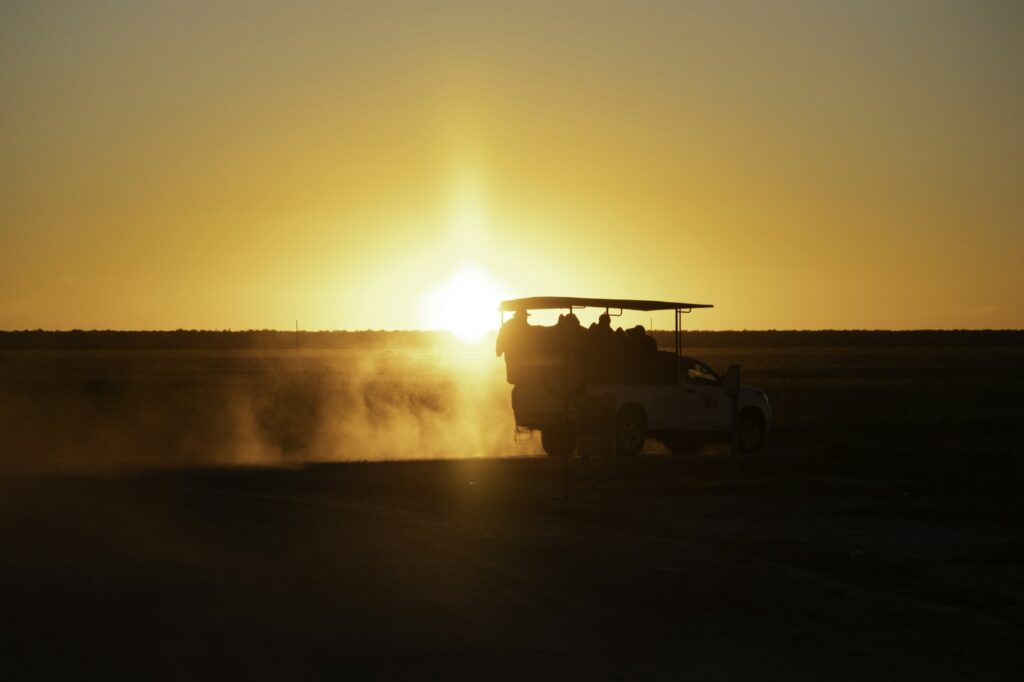
A safari vehicle driving through the Masai Mara at sunset
Uncategorized

The Complete Kenya Safari Packing List (What to Bring, What to Skip)

Photo via Unsplash Quick answer Bags and clothing layers Sun, health and documents Camera and power What to leave behind Printable checklist and FAQs Quick answer Pack light, use a soft bag when your itinerary includes a small aircraft, and bring layers rather than one heavy outfit. Your Kenya safari packing list should cover neutral, practical clothes; sun protection; closed shoes; prescription medication in hand luggage; documents; charging gear; binoculars; and a compact rain layer. SafariBookings notes that light-aircraft limits can be as low as 12–15 kg including hand luggage, although airline allowances differ and your final itinerary should always be the rule. SafariBookings packing guide The aim is not to look “safari themed.” It is to stay comfortable through cool early drives, warmer afternoons, dust, occasional rain and camp evenings without carrying more than you can manage. Start with the bag, not the shopping list Ask your safari planner about every flight sector before choosing luggage. SafariBookings says international checked-bag limits are often around 20–30 kg but smaller aircraft can impose much lower limits, sometimes 12–15 kg including hand baggage. SafariBookings luggage guidance A soft-sided duffel usually works better than a rigid suitcase for a compact aircraft hold, but follow your airline and operator’s written requirement. Keep essential documents, medication, eyewear, a change of clothes, camera equipment and valuable electronics in your hand luggage. SafariBookings specifically recommends packing prescription medication in hand luggage in case checked luggage is delayed. SafariBookings packing guide Clothing: build a simple layering system Kenya safari days often begin before sunrise, so pack one light fleece or warm jacket even if the daytime forecast looks hot. Pair it with breathable shirts, a few long-sleeved tops, comfortable trousers or shorts where appropriate, socks and sleepwear. SafariBookings recommends a fleece or warm jacket, long-sleeved shirts with collars, safari trousers, a compact raincoat when rain is likely, and a casual dinner outfit. SafariBookings clothing list Choose neutral, muted colors that can be worn again and mixed easily. SafariBookings advises muted/neutral colors and cautions that bright colors are impractical and camouflage-style clothing is not advisable. SafariBookings packing guide You do not need a new outfit for every day; laundry may be available at some camps, but ask each property rather than assuming. Clothing checklist Lightweight T-shirts and long-sleeved shirts Light fleece or warm layer for early drives Two or three pairs of comfortable trousers or safari-style pants Shorts or a skirt for camp time if suitable for you Compact rain jacket in wet-season or shoulder-season itineraries Underwear, sleepwear and swimwear if your camp has a pool A smart-casual dinner layer, if you would enjoy one Footwear, sun protection and insect care Bring closed, comfortable walking shoes or boots plus socks. Add sandals for camp if you like, but do not buy heavy hiking boots unless you have a walking activity that requires them. SafariBookings lists comfortable walking shoes or boots, socks and open sports sandals among its practical options. SafariBookings footwear guidance A brimmed hat, sunglasses, sunscreen, lip balm and a reusable water bottle are practical outdoor items. SafariBookings recommends a hat, sunglasses, sunscreen and long sleeves for time outdoors. SafariBookings sun-protection guide For insect protection and any malaria-related decisions, speak with a qualified travel-health professional before departure; SafariBookings likewise says to get advice from your doctor about whether antimalarial tablets are needed for your destination. SafariBookings health advice Carry prescription medication in its original packaging and take a small personal kit for items you already use. Medication suitability is personal, so this article is a packing prompt rather than medical advice. Camera, binoculars and power A phone can capture excellent memories, but binoculars transform the experience when wildlife is distant. SafariBookings calls binoculars essential for optimal wildlife viewing and suggests at least 8x, or ideally 10x, magnification. SafariBookings camera and binocular guide If you are sharing a vehicle, one good pair per couple is a sensible starting point. Bring camera batteries, memory cards, charging cables, a power bank and the plug adapter appropriate for your itinerary. SafariBookings specifically reminds travelers to carry chargers and country-specific adapters for phones, tablets and laptops. SafariBookings electronics guide Check whether your camp provides charging in rooms, in the main area, or only at set times. Documents, money and travel admin Keep passport, travel insurance details, e-tickets, itinerary and emergency contacts together. SafariBookings puts passport, itinerary, travel insurance information and tickets first on its packing list. SafariBookings document checklist If Kenya entry requirements apply to you, use the government portal rather than a third-party site. The official Kenya eTA page lists a valid passport with at least six months’ validity and one blank page, a photo, contact details, travel itinerary, accommodation confirmation and payment method among the documents to prepare. Kenya eTA requirements The eTA site says applications are usually processed in three working days but recommends applying at least two weeks before travel; verify your own eligibility, exemption status and current rules directly there. Kenya eTA general information What to leave at home Avoid excessive jewelry and high-value items you do not normally wear. SafariBookings advises against taking expensive personal jewelry and recommends a minimalist approach. SafariBookings packing guide Skip a hard suitcase if a light-aircraft route makes it unsuitable, unnecessary formalwear, bulky “just in case” gear, and any item you cannot comfortably carry. Final printable checklist Documents: passport, eTA confirmation if required, insurance, itinerary, emergency contacts, payment cards. Clothes: neutral tops, long sleeves, warm layer, trousers, socks, compact raincoat, swimwear, hat. Health: personal prescriptions, glasses, sunscreen, insect repellent, personal toiletries and travel-health items recommended for you by a clinician. Gear: binoculars, camera/phone, batteries, memory cards, cables, adapter, power bank, torch or headlamp. SafariBookings recommends a torch or headlamp because bush camps can be very dark at night. SafariBookings torch guidance Frequently asked questions Should I pack a hard suitcase for a Kenya safari? Check your final transport plan. Small aircraft can have low baggage limits, and a soft bag may be more practical; SafariBookings says some limits are 12–15 kg

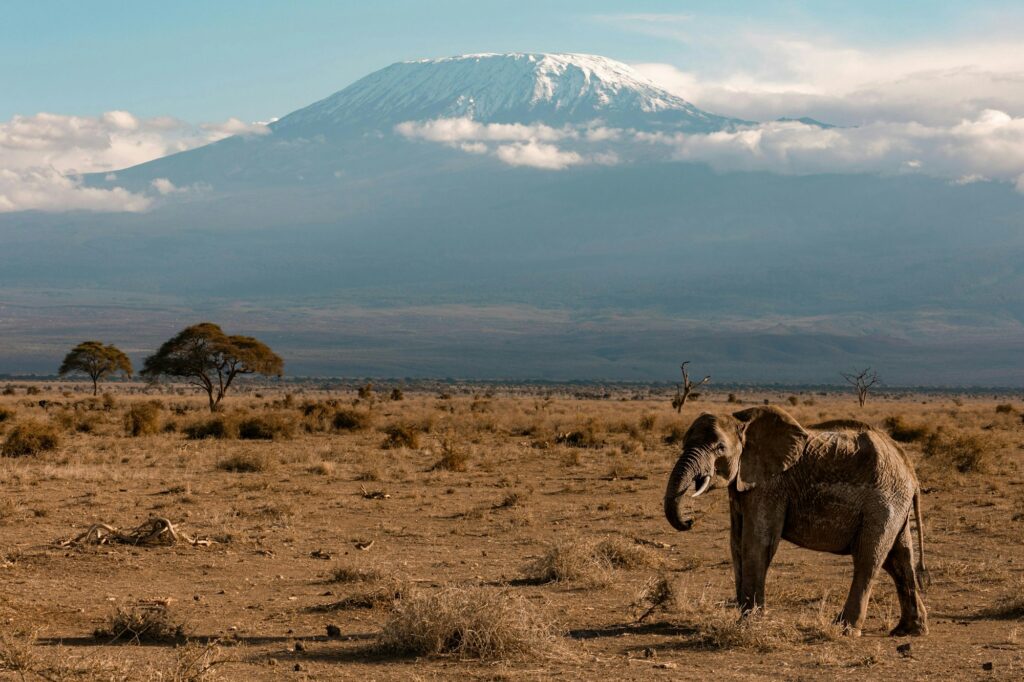
Elephant herd grazing beneath Mount Kilimanjaro in Amboseli National Park
Uncategorized

Amboseli vs Masai Mara: Which Kenya Safari Park Is Right for You?

Quick verdict Wildlife and landscapes Timing, crowds and budget Which park fits which traveler Can you combine both? FAQs Quick answer Choose Amboseli if close elephant viewing and Mount Kilimanjaro scenery are your priority; choose the Masai Mara if you want wide-open grasslands, big-cat game drives and the best chance of seeing the northern phase of the Great Migration. Amboseli is officially described as a place to see large elephant herds up close beneath Africa’s highest peak, while the Mara Reserve describes its migration as a rainfall-driven annual cycle that typically reaches the Kenyan side from July to October. Kenya Wildlife Service Amboseli information Masai Mara migration guide For many first-time visitors, this is not a contest: Amboseli and the Mara create different safari days. The best choice depends on your dates, the wildlife moment you care about most, your tolerance for travel time and the kind of landscape you want in your photographs. Wildlife: elephant herds or migration plains? Amboseli’s signature is its elephant viewing. Kenya Wildlife Service describes the park as one of Africa’s best places to see large elephant herds at close range, and notes that its habitats include Lake Amboseli’s dry bed, wetlands with sulphur springs, savannah and woodland. KWS Amboseli park page That variety gives the park a compact, intimate feel: a drive can move from dusty open ground to wetland and acacia woodland quickly. The Masai Mara is the better match for travelers who imagine long grassland horizons, large predator-prey scenes and an itinerary centered on the migration. The reserve identifies resident wildlife, big cats, open plains and the Great Migration as its defining attractions. Masai Mara visitor FAQs Its migration is not a one-day spectacle with a guaranteed timetable; it is a continuous movement responding to rainfall, grass and water across the Serengeti–Mara ecosystem. Masai Mara migration guide Both parks reward patient game drives, but their strengths are different. Choose Amboseli for a concentrated elephant-and-landscape experience. Choose the Mara when you want more days exploring different plains and river areas, especially if the migration is part of your goal. Scenery: Kilimanjaro views versus expansive savannah Amboseli sits beneath Mount Kilimanjaro, described by KWS as Africa’s highest peak. KWS Amboseli park page The mountain view is weather-dependent, so plan it as a possibility rather than a promise. When cloud clears, the combination of elephants and Kilimanjaro produces the classic image people associate with Amboseli. The Mara’s scenery is defined by grassland, rivers and the broader Serengeti–Mara ecosystem. The Reserve lists the Mara and Talek rivers among its features and identifies the Mara River, Mara Triangle and Sand River as key migration-viewing areas. Masai Mara visitor FAQs Migration guide That makes the Mara especially appealing for travelers who enjoy tracking a changing wildlife story across a larger area. Best time to visit each Dates can settle the decision. The Mara Reserve describes the dry seasons as January–February and June–October, and says major migratory concentrations are commonly present from approximately July to October, with timing variable year to year. Masai Mara Reserve overview Masai Mara FAQ River crossings are particularly unpredictable: herds may wait, turn back or cross elsewhere. Masai Mara FAQ Amboseli is not a migration-calendar destination in the same way. Its appeal is the resident elephant experience and Kilimanjaro setting, so it can fit many Kenya itineraries without requiring a narrow migration window. Kenya’s tourism board describes the country as offering authentic experiences year-round, a useful reminder to build the plan around your interests rather than one “perfect” month. Magical Kenya Crowds and cost: compare the real inclusions The Mara can be especially busy around popular crossing areas during peak migration season; the Reserve advises that exceptional sightings and crossing areas can attract many vehicles. Masai Mara FAQ Travelers who want Mara wildlife with a calmer pace can discuss January–February, green-season travel, a conservancy stay, or a route that does not spend every hour at a river crossing point. For cost, compare the correct dates and line items—not the two parks’ labels. The official Mara schedule sets non-resident adult entry at USD 100 per day in the January–June low season and USD 200 per day in the July–December high season, with vehicle fees separate. Mara fee schedule Ask every operator to identify park fees, vehicle basis, accommodation, meals and transfers. That is the only meaningful way to compare a shorter Amboseli stay with a longer Mara safari. Choose Amboseli if… You want elephants to be the centerpiece of your safari. KWS specifically highlights large herds viewed at close range. KWS Amboseli information Kilimanjaro scenery matters as much as wildlife viewing. You have limited days and want a focused park experience. You are building a Kenya route that also includes Nairobi, Tsavo or the coast. Choose Masai Mara if… Your priority is the Great Migration’s northern phase, while accepting that no crossing can be guaranteed. Migration guide You want open plains, river areas, big-cat game drives and a longer wildlife-focused stay. Masai Mara activities You can travel in July–October or are happy to focus on resident wildlife in another period. Masai Mara FAQ You want to use a 3-day Masai Mara joining safari as the foundation of a Kenya trip. Can you combine Amboseli and the Masai Mara? Yes. A combined itinerary is often the clearest solution for travelers torn between them: start with Amboseli’s elephants and mountain backdrop, then allow several nights in the Mara for broad game drives. Build enough time for transfers, rather than treating the two parks as a rushed checklist. Seremara can map a route based on your arrival airport, nights available, travel style and target budget through tailor-made tours. Frequently asked questions Is Amboseli or Masai Mara better for elephants? Amboseli is the more focused elephant choice. KWS calls it one of the best places in Africa to see large elephant herds up close. KWS Amboseli page Is the Masai Mara better for the migration? The Reserve says large herds commonly reach the Mara from about July to

Safari game-drive vehicle on Kenya's open plains
Uncategorized

How Much Does a Kenya Safari Cost in 2026? Real Prices by Budget Tier

Photo by Hu Chen on Unsplash Quick Kenya safari cost snapshot What changes the price Budget, mid-range and luxury examples What a quote should include A practical way to compare offers FAQs Quick answer A Kenya safari can be planned at a range of budgets, but the useful question is what is included in the price. In 2026, start by separating accommodation, vehicle and guide, park entry, meals, flights and optional extras. For a concrete benchmark, the official Masai Mara non-resident adult entry fee alone is USD 100 per day from January to June and USD 200 per day from July to December; a quote that looks inexpensive may simply omit this major cost. Maasai Mara Reserve Authority fee schedule A clear Kenya safari quote should tell you the travel dates, number of travelers, accommodation category, parks, transport basis, included meals and park fees before you compare the total. Seremara can build that comparison around your target budget rather than asking you to make a fixed package fit. What drives the Kenya safari cost? Park fees and season Park fees are a non-negotiable base cost, but they differ by park, traveler status and season. The Mara’s published international-adult rates double from USD 100 in its January–June low season to USD 200 in its July–December high season, and the fee is charged per person, per day. Official Masai Mara entry fees That timing matters as much as the hotel name. The Reserve identifies July–October as the usual northern phase of the migration, with August–September a popular period; this is also when high demand can reduce room choice. Masai Mara Reserve migration guide Choosing January–June can therefore lower the published Mara fee, while choosing July–December may be worth it for travelers whose priority is migration viewing. Accommodation and how you travel A “budget,” “mid-range,” or “luxury” label is not a universal standard. Ask whether it means a shared joining departure or private vehicle; a simple camp or a lodge; and a room inside the park, outside it, or in a conservancy. Marketplace listings show why dates and inclusions matter: SafariBookings displays Kenya itineraries with operator, duration, accommodation style and price together, rather than treating one headline number as a complete comparison. SafariBookings Kenya tours Private travel spreads the vehicle and guide cost across fewer people, while a joining safari shares it. Neither format is automatically better. A couple seeking flexibility may value a private vehicle; a solo traveler may prefer a scheduled joining departure. The right quote makes that trade-off visible. Flights, transfers, and trip length Domestic flights can save road time, whereas a road safari can include more scenery and a lower cash outlay. Add international flights, eTA, airport transfers, tips, drinks and personal purchases to your trip budget separately unless the itinerary explicitly includes them. Kenya’s official eTA site says travelers apply online and lists a valid passport, photo, contact details, itinerary, accommodation confirmation and payment method among the application requirements; it also advises applying at least two weeks ahead. Kenya eTA general information Realistic budget tiers: how to use them The table below is a planning framework, not a promise of a published fare. It is designed to prevent false comparisons by showing what to request in each tier. Tier Best fit Ask the operator to state in writing Budget Travelers comfortable with simpler camps, scheduled departures or shared vehicles Camp name, room basis, park fees, vehicle sharing, meals, and any single supplement Mid-range Couples, friends and families who want dependable comfort and a better choice of dates Lodge/camp names, private or shared game drives, park fees, transfers, and the drinks/laundry policy Luxury Travelers prioritizing location, service, privacy or fly-in logistics Camp location, flights, private vehicle arrangements, activities, conservation fees, and exclusions For an external price sense-check, SafariBookings’ live marketplace makes it possible to compare itineraries by length and accommodation category. It currently shows, for example, a seven-day Kenya private luxury itinerary at USD 2,499–3,390 per person, illustrating why a “from” price should always be read with trip length and inclusions. SafariBookings listing example A worked way to build your budget Start with the days you actually want in each park. For example, two non-resident adults entering the Mara for two low-season days face USD 400 in adult entry fees before vehicle charges; the same two adults in high season face USD 800. The Reserve also charges vehicle entry separately, with a 6–12-seat vehicle listed at KES 1,500 per day. Mara fee schedule and vehicle charges Then add your accommodation quote, guide and vehicle basis, meals, transfers, and any flight sector. This sequence is more reliable than dividing a package headline by the number of nights, because it exposes which costs are fixed, which are seasonal and which are chosen for comfort. What should be included—and what should be separate? A well-written quote normally identifies accommodation, meals, game drives, transport, guide services and park fees line by line. It should also state whether arrival/departure transfers, drinks, gratuities, travel insurance, eTA, international flights, ballooning, cultural visits and personal expenses are excluded. Those are not minor details: a trip can be a good value and still require a larger cash budget than its headline total. Do not rely on the word “all-inclusive” without the inclusions list. For Mara stays, check the date against the official season table and ask whether the daily ticket rule applies to each entry day. The official page describes tickets as day-use, valid for 12 hours, with fees charged per calendar day of entry. Masai Mara ticket rules How Seremara makes a transparent quote Tell us your dates, travelers, preferred parks and comfort level. We will recommend a workable routing, show the price drivers, and explain the choices that reduce or increase the total. That may mean a low-season Mara stay, a road route instead of a flight, or a different camp—not an unexplained “deal.” Start with a tailor-made safari enquiry or explore Kenya safari packages. Frequently asked questions What is the biggest cost on a

Scroll to Top