
- Quick verdict
- Wildlife and landscapes
- Timing, crowds and budget
- Which park fits which traveler
- Can you combine both?
- FAQs
Quick answer
Choose Amboseli if close elephant viewing and Mount Kilimanjaro scenery are your priority; choose the Masai Mara if you want wide-open grasslands, big-cat game drives and the best chance of seeing the northern phase of the Great Migration. Amboseli is officially described as a place to see large elephant herds up close beneath Africa’s highest peak, while the Mara Reserve describes its migration as a rainfall-driven annual cycle that typically reaches the Kenyan side from July to October. Kenya Wildlife Service Amboseli information Masai Mara migration guide
For many first-time visitors, this is not a contest: Amboseli and the Mara create different safari days. The best choice depends on your dates, the wildlife moment you care about most, your tolerance for travel time and the kind of landscape you want in your photographs.
Wildlife: elephant herds or migration plains?
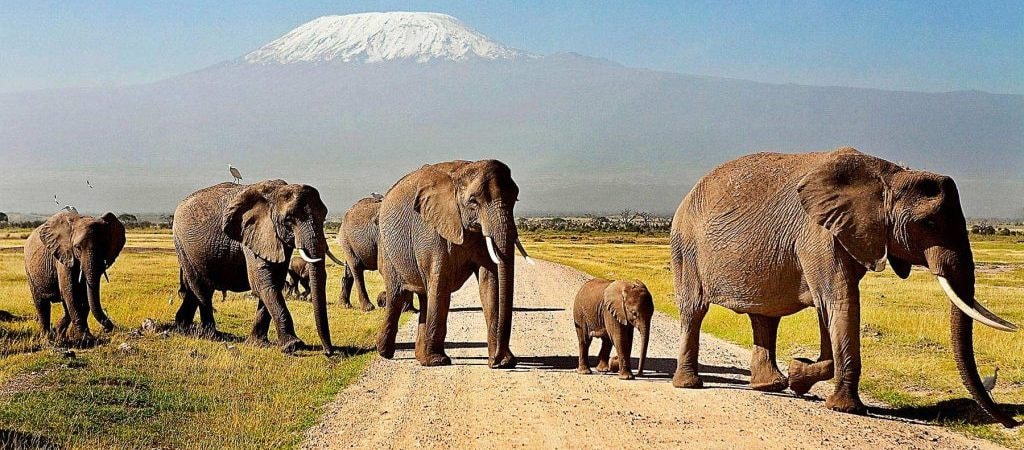
Amboseli’s signature is its elephant viewing. Kenya Wildlife Service describes the park as one of Africa’s best places to see large elephant herds at close range, and notes that its habitats include Lake Amboseli’s dry bed, wetlands with sulphur springs, savannah and woodland. KWS Amboseli park page That variety gives the park a compact, intimate feel: a drive can move from dusty open ground to wetland and acacia woodland quickly.
The Masai Mara is the better match for travelers who imagine long grassland horizons, large predator-prey scenes and an itinerary centered on the migration. The reserve identifies resident wildlife, big cats, open plains and the Great Migration as its defining attractions. Masai Mara visitor FAQs Its migration is not a one-day spectacle with a guaranteed timetable; it is a continuous movement responding to rainfall, grass and water across the Serengeti–Mara ecosystem. Masai Mara migration guide
Both parks reward patient game drives, but their strengths are different. Choose Amboseli for a concentrated elephant-and-landscape experience. Choose the Mara when you want more days exploring different plains and river areas, especially if the migration is part of your goal.
Scenery: Kilimanjaro views versus expansive savannah
Amboseli sits beneath Mount Kilimanjaro, described by KWS as Africa’s highest peak. KWS Amboseli park page The mountain view is weather-dependent, so plan it as a possibility rather than a promise. When cloud clears, the combination of elephants and Kilimanjaro produces the classic image people associate with Amboseli.
The Mara’s scenery is defined by grassland, rivers and the broader Serengeti–Mara ecosystem. The Reserve lists the Mara and Talek rivers among its features and identifies the Mara River, Mara Triangle and Sand River as key migration-viewing areas. Masai Mara visitor FAQs Migration guide That makes the Mara especially appealing for travelers who enjoy tracking a changing wildlife story across a larger area.
Best time to visit each
Dates can settle the decision. The Mara Reserve describes the dry seasons as January–February and June–October, and says major migratory concentrations are commonly present from approximately July to October, with timing variable year to year. Masai Mara Reserve overview Masai Mara FAQ River crossings are particularly unpredictable: herds may wait, turn back or cross elsewhere. Masai Mara FAQ
Amboseli is not a migration-calendar destination in the same way. Its appeal is the resident elephant experience and Kilimanjaro setting, so it can fit many Kenya itineraries without requiring a narrow migration window. Kenya’s tourism board describes the country as offering authentic experiences year-round, a useful reminder to build the plan around your interests rather than one “perfect” month. Magical Kenya
Crowds and cost: compare the real inclusions
The Mara can be especially busy around popular crossing areas during peak migration season; the Reserve advises that exceptional sightings and crossing areas can attract many vehicles. Masai Mara FAQ Travelers who want Mara wildlife with a calmer pace can discuss January–February, green-season travel, a conservancy stay, or a route that does not spend every hour at a river crossing point.
For cost, compare the correct dates and line items—not the two parks’ labels. The official Mara schedule sets non-resident adult entry at USD 100 per day in the January–June low season and USD 200 per day in the July–December high season, with vehicle fees separate. Mara fee schedule Ask every operator to identify park fees, vehicle basis, accommodation, meals and transfers. That is the only meaningful way to compare a shorter Amboseli stay with a longer Mara safari.
Choose Amboseli if…
- You want elephants to be the centerpiece of your safari. KWS specifically highlights large herds viewed at close range. KWS Amboseli information
- Kilimanjaro scenery matters as much as wildlife viewing.
- You have limited days and want a focused park experience.
- You are building a Kenya route that also includes Nairobi, Tsavo or the coast.
Choose Masai Mara if…
- Your priority is the Great Migration’s northern phase, while accepting that no crossing can be guaranteed. Migration guide
- You want open plains, river areas, big-cat game drives and a longer wildlife-focused stay. Masai Mara activities
- You can travel in July–October or are happy to focus on resident wildlife in another period. Masai Mara FAQ
- You want to use a 3-day Masai Mara joining safari as the foundation of a Kenya trip.
Can you combine Amboseli and the Masai Mara?
Yes. A combined itinerary is often the clearest solution for travelers torn between them: start with Amboseli’s elephants and mountain backdrop, then allow several nights in the Mara for broad game drives. Build enough time for transfers, rather than treating the two parks as a rushed checklist. Seremara can map a route based on your arrival airport, nights available, travel style and target budget through tailor-made tours.
Frequently asked questions
Is Amboseli or Masai Mara better for elephants? Amboseli is the more focused elephant choice. KWS calls it one of the best places in Africa to see large elephant herds up close. KWS Amboseli page
Is the Masai Mara better for the migration? The Reserve says large herds commonly reach the Mara from about July to October, but the timing responds to weather conditions and crossings are never guaranteed. Mara migration FAQs
Which is better for a first Kenya safari? Choose the park that best matches your priority: Amboseli for elephants and Kilimanjaro, or Mara for open plains and migration-focused game drives. Combining both is worthwhile if your schedule permits.
Are Masai Mara park fees seasonal? Yes. The published non-resident adult rate is USD 100 per day from January–June and USD 200 per day from July–December. Official entry fees
Can I guarantee a river crossing? No. The Mara authority explicitly says crossings are unpredictable and may happen elsewhere or not at all during a visitor’s time by the river. Mara FAQ