
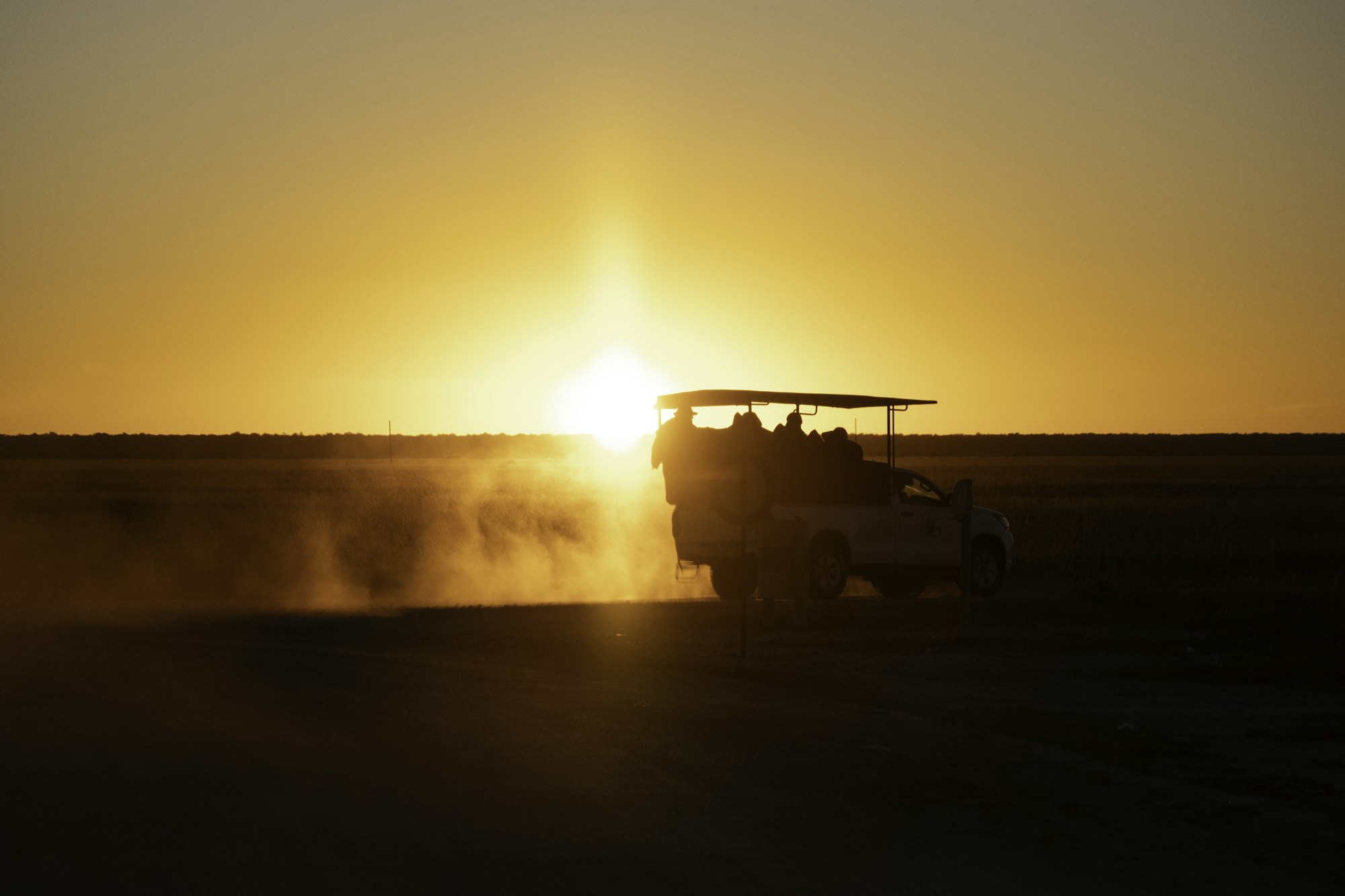
The Masai Mara National Reserve is Kenya’s flagship safari destination and one of the most rewarding wildlife areas on the planet. It’s famous for its resident big cats, the annual Great Wildebeest Migration, and the wide-open plains that make every game drive feel cinematic. But the Mara offers far more than just wildlife viewing — there are dawn hot air balloon flights, cultural encounters with the Maasai community, bush breakfasts, walking safaris, and even mobile-camp stays right inside the reserve. This guide covers the top ten activities to plan for when you visit, based on what our Nairobi team books most often and what returning guests rate highest.
Key Takeaways
- Game drives are the anchor of any Masai Mara safari — most itineraries include two full drives per day, at dawn and late afternoon, when wildlife is most active.
- Hot air balloon safaris (July–October is peak) are the single most-requested “bucket list” add-on. Book at least 3–4 months in advance during migration season.
- Visiting a genuine Maasai village adds real cultural depth to your trip and directly supports the community when booked through a responsible operator.
- The peak window for Mara River crossings is late July through September — this is when the migration herds cross from the Serengeti into the Mara.
- You can combine your Masai Mara safari with Amboseli, Lake Nakuru, Samburu or a Kenya-Tanzania route — our team can tailor pacing, accommodation and the exact activity mix.
1. Game Drives Across the Masai Mara Plains
Game drives are the foundation of every Masai Mara safari. Guests typically enjoy two full drives per day: an early-morning departure at sunrise when predators are most active, and a late-afternoon drive that runs until golden-hour light fades. Between the two drives you return to camp for breakfast, lunch and a midday rest.
What makes Mara game drives extraordinary is the density of wildlife. This is one of the few places on earth where you can reliably see the Big Five — lion, leopard, elephant, African buffalo, and (with luck) black rhino — alongside cheetah, hyena, giraffe, hippo pods, and dozens of antelope and plains-game species. Our 4×4 safari vehicles have pop-up roofs so you can stand, photograph and watch without disturbing the wildlife.
Full-day game drive option
Some guests prefer a single full-day game drive with a packed lunch instead of returning to camp midday. This lets you explore further into the reserve — particularly the Mara Triangle on the western side, which is quieter and often has stunning river-crossing viewpoints during migration season.
2. Hot Air Balloon Safari at Sunrise
The single most-requested add-on to any Mara itinerary is the dawn hot air balloon safari. You’ll leave your camp before sunrise, board the balloon as first light hits the horizon, and drift silently over the plains for around an hour — watching wildlife wake up beneath you in a way no game drive can replicate.
The flight ends with a traditional champagne bush breakfast served on the plains where you land, prepared by camp staff who follow the balloon by vehicle. Cost typically ranges from USD 450–550 per person and includes the flight, breakfast, and transfers to and from your camp. During peak migration season (July–October) balloons book out 3–4 months in advance — we always recommend confirming this activity at the same time you book your safari.
3. Watching the Great Wildebeest Migration
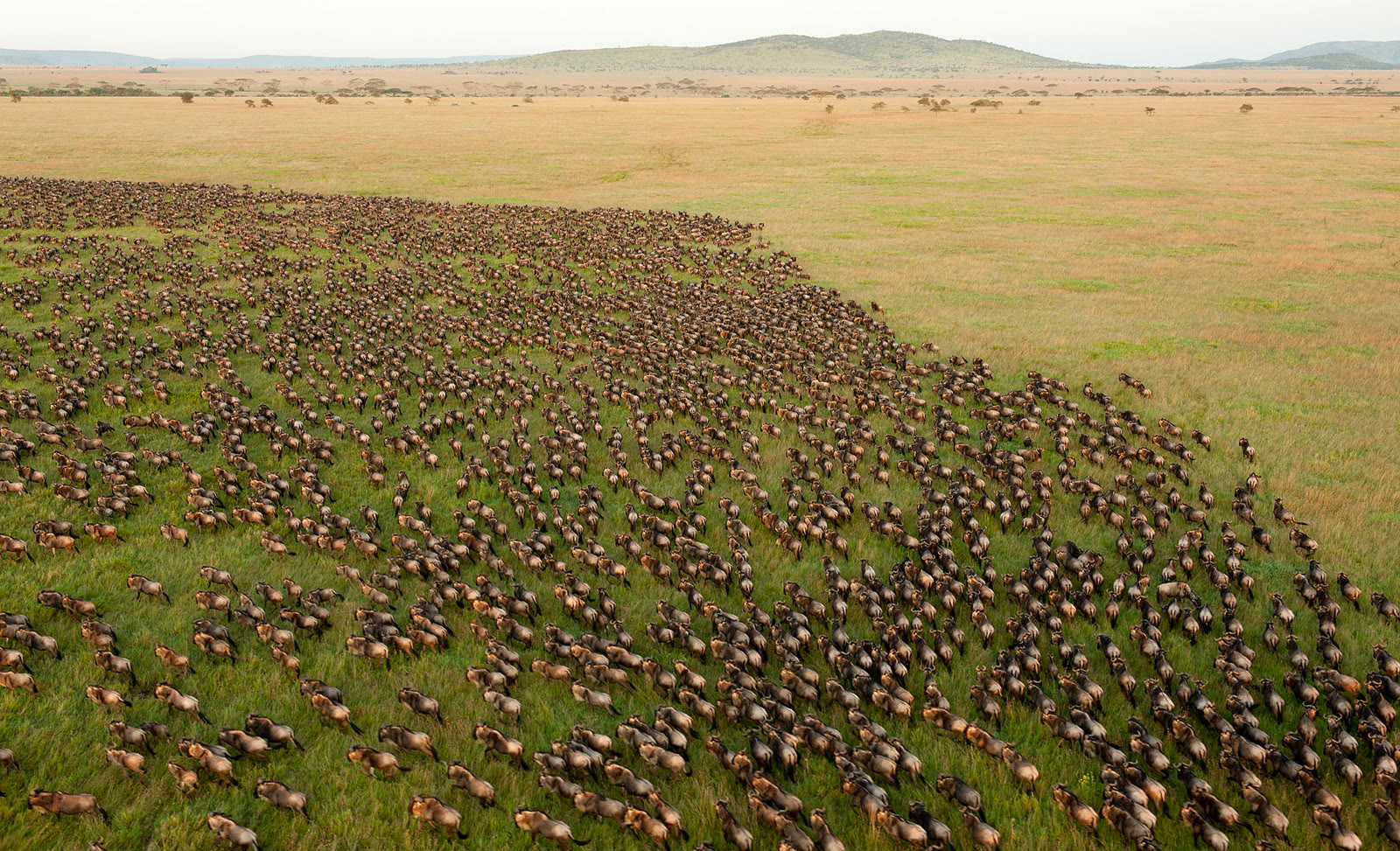
If your visit lands between late July and early October, witnessing the Great Wildebeest Migration is arguably the most dramatic wildlife experience on the continent. Over 1.5 million wildebeest, joined by hundreds of thousands of zebra and Thomson’s gazelle, cross from Tanzania’s Serengeti into the Masai Mara — with the famous Mara River crossings serving as the migration’s signature moment.
Crossings are unpredictable by nature. Herds gather nervously on the riverbank for hours (sometimes days) before one animal takes the plunge and thousands follow in a chaotic surge, with Nile crocodiles waiting below. Our guides know the traditional crossing points along the Mara and Talek rivers and will position your vehicle patiently to give you the best chance. We recommend at least four nights in the Mara during migration season to maximise your odds.
4. Visit a Traditional Maasai Village
A Maasai village visit (called a boma) is one of the most enriching cultural experiences on any Kenya safari. You’ll enter a working Maasai homestead, learn about traditional life, watch the famous adumu (jumping dance) performed by the warriors, and see beadwork demonstrations by the women.
Village visits typically cost USD 30–50 per person, paid directly to the village — this fee supports the community and helps fund local schools. We only book village visits with operators and communities that follow ethical guidelines: no forced photography, no staged performances beyond the traditional dances, and all fees going to the community rather than middlemen.
5. Guided Walking Safari
Most game viewing in the Mara happens from a vehicle, but a walking safari in one of the private conservancies bordering the reserve (Mara North, Naboisho, Olare Motorogi) is a completely different experience. You’ll walk with an armed ranger and Maasai guide who read the bush at ground level — tracks, calls, dung, and the smaller wildlife you never notice from a car.
Walking safaris typically run 2–3 hours, either at sunrise or in the late afternoon when temperatures are cooler. They aren’t available inside the main reserve itself, but many of the private conservancy camps we book (Basecamp, Kicheche, Mara Plains) include them at no extra cost.
6. Sundowners on the Plains
A sundowner — drinks served on the plains as the sun sets — is a tradition at almost every Mara camp. Your guide chooses a scenic spot with a wide horizon, sets up folding chairs and a small bar table, and pours gin & tonics, Tusker beers, wine or soft drinks as the light fades. It’s the perfect end to a long afternoon of game viewing.
Sundowners are usually included in your camp’s full-board rate; you don’t need to arrange them separately. Just tell your guide during your afternoon drive that you’d like one — they’ll pick the spot.
7. Photography-Focused Safari
The Mara is one of the top wildlife photography destinations on earth, and a photography safari is a distinct product tailored to serious photographers. It involves private vehicles with only 3–4 guests, extended time at sightings (rather than moving quickly to see more), and guides trained to position the vehicle for the best light and angles.
Some Mara conservancies (particularly Mara North and Naboisho) allow off-road driving, which is essential for photography — you can follow a leopard into cover, position on a cheetah at eye level, or set up for a low-angle backlight shot. Our team can build a photography-first itinerary if this is your priority.
8. Bush Breakfast or Bush Dinner
Instead of eating every meal at camp, request a bush breakfast or bush dinner during your stay. Camp staff drive out ahead of you and set up a beautifully laid table on the plains — with linens, glassware, a full cooked breakfast (or three-course dinner), and often a small fire. You arrive after a morning game drive, or by lantern-light for dinner, and eat surrounded by the sounds of the bush.
Bush breakfasts are often included in luxury camp rates; at mid-range camps they may cost an extra USD 30–60 per person. Worth arranging on your longest day in camp.
9. Stay at a Private Conservancy Camp
The Masai Mara National Reserve itself is only part of the wildlife-rich Greater Mara Ecosystem. Surrounding the reserve are half a dozen private conservancies — Mara North, Naboisho, Olare Motorogi, Ol Kinyei, Mara Triangle — each governed by community trusts that lease the land from Maasai landowners and cap tourism to a strict low-density model.
Camps inside these conservancies offer real benefits over reserve-based camps: fewer vehicles at each sighting, off-road driving privileges, night drives (not allowed in the main reserve), guided walks, and often better wildlife density since livestock is excluded. Rates are higher — typically USD 700–1,500+ per person per night — but for many guests it’s the biggest upgrade you can make to a Kenya safari.
10. Combine the Mara with Other Kenya Highlights
Very few travellers come to Kenya just for the Mara. Most combine it with one or more of the following:
- Amboseli National Park — famous for its close-range elephant encounters with Mount Kilimanjaro on the horizon. See our Amboseli vs Masai Mara comparison.
- Lake Nakuru — flamingos, rhino sanctuary, and the Great Rift Valley scenery en route.
- Samburu National Reserve — Kenya’s northern circuit, home to the “Samburu Special Five” (Grevy’s zebra, reticulated giraffe, Somali ostrich, gerenuk, oryx).
- Tsavo East & West — Kenya’s largest park, known for red elephants and remote wilderness.
- Diani or Zanzibar beach extension — the classic “bush and beach” ending after your Mara safari.
- Kenya + Tanzania route — cross into the Serengeti and Ngorongoro. See our combined Kenya-Tanzania itinerary guide.
Planning Your Masai Mara Trip
The best time to visit for wildlife is July–October (peak dry season and migration window). January–February and April–May offer lower prices, thinner crowds and green scenery — game viewing is still very good, just less dramatic than migration months. See our month-by-month guide to visiting the Masai Mara for detailed timing.
Costs vary widely by season and accommodation tier. Non-resident adult entry to the Masai Mara is USD 100 per day January–June and USD 200 per day July–December per the official reserve fee schedule. Full mid-range packages typically start from around USD 1,000 per person for a 3-day safari from Nairobi. See our Masai Mara safari cost breakdown for a full budget breakdown.
The activity you choose depends on how long you have, what season you visit and how much you want to spend — but the top three we always recommend are game drives (unavoidable and unforgettable), a balloon safari (if budget allows) and at least one cultural or walking activity to break up the wildlife focus.
Ready to Plan Your Masai Mara Safari?
Every Seremara Safaris trip is tailor-made. Tell us your dates, budget and which activities matter most, and we’ll build an itinerary around you rather than push a fixed package. Have a look at our Kenya safari packages for sample routes, or contact our Nairobi team for a personalised quote within 24 hours.