
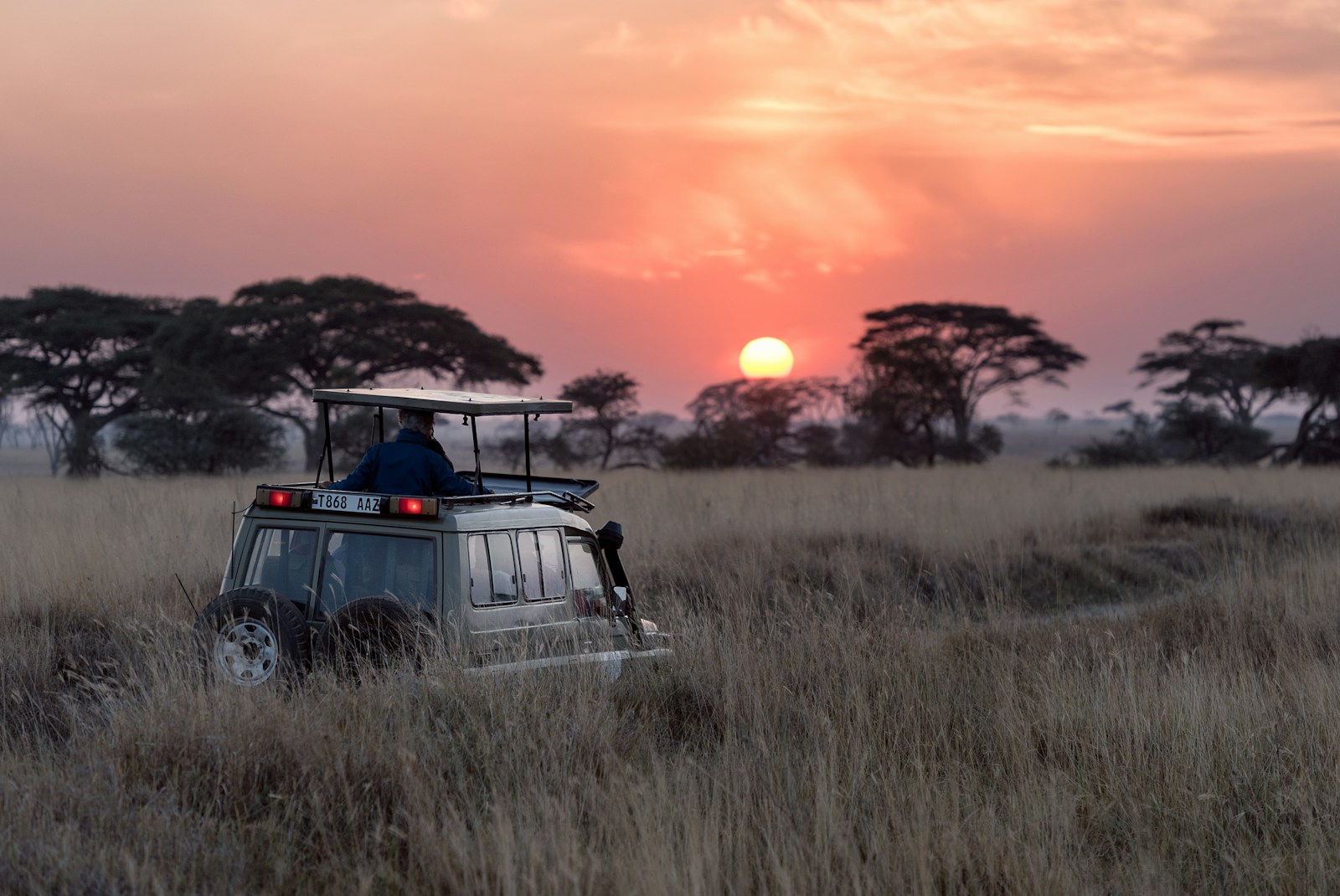
Quick answer: The best time to visit the Masai Mara is during the dry season from late June through October, when wildlife concentrates around rivers and waterholes and the Great Wildebeest Migration typically reaches the reserve. If your priority is the dramatic Mara River crossings specifically, aim for August through September. If you want lower prices, thinner crowds, and lush green scenery instead, the shoulder months of January–February or the long rains of March–May are worth considering.
There’s no single “wrong” time to visit the Masai Mara — Kenya’s most famous reserve delivers excellent Big Five sightings year-round. But the right month for you depends on whether you’re chasing the migration, traveling on a budget, avoiding crowds, or bringing young children. Here’s how Seremara’s Nairobi-based safari planners break it down.
Kenya’s Two Seasons, Explained Simply
The Masai Mara sits on Kenya’s southwestern border with Tanzania’s Serengeti, and its climate follows two broad patterns:
- Dry season (roughly late June to October): Little rainfall, thinning vegetation, and animals gathering at permanent water sources — the classic “easy game viewing” window.
- Wet season (roughly November to May): Split into short rains (November) and long rains (March–May), with a warmer, drier lull in January–February. Vegetation is thick and green, newborn animals are everywhere, and roads can be muddy.
This is the same framework used by official and specialist guides to the reserve, including SafariBookings’ Masai Mara guide, which confirms June–October as the peak dry-season window and August–October as the core migration period.
Month-by-Month Breakdown
- January–February: Warm, mostly dry, and quieter than peak season. Predators are active and calving season in the southern Serengeti (just across the border) draws big cats. A strong value window.
- March–May: The long rains. Landscapes turn vivid green, birdlife peaks, and rates drop at many camps — but some park roads become difficult, and the migration herds are still well south in Tanzania.
- June: The dry season begins and the migration starts moving north out of the Serengeti toward the Mara. Game viewing improves fast.
- July–October: Peak dry season and peak migration season. Grass is short, animals cluster at rivers, and the famous Mara River crossings typically happen within this window, most concentrated in August and September.
- November: The short rains arrive, crowds thin, and the migration herds begin drifting back south — still a strong month for resident wildlife.
- December: A short dry spell around the holidays brings a secondary mini-peak in visitor numbers before the long rains return.
Best Time for the Wildebeest Migration
If witnessing river crossings is your priority, July through September offers the strongest odds, with many operators and guides pointing to August–September as the peak. It’s worth knowing that migration timing is driven by rainfall patterns in East Africa and shifts somewhat year to year — no operator can guarantee an exact crossing date. The Kenya Wildlife Service has noted that the migration was recently recognized by the World Book of Records (UK) as the world’s greatest annual terrestrial wildlife migration, underscoring both its scale and its unpredictability across the Mara’s river systems, including the Mara, Sand, and Talek Rivers.
Best Time for Budget-Conscious Travelers
Park entry fees at the Masai Mara are seasonal, which materially affects trip cost. According to the official Maasai Mara National Reserve fee schedule, non-resident adult entry is USD 100 per person per day in the Green/Low Season (January 1–June 30) versus USD 200 per person per day in the High Season (July 1–December 31) — meaning a visit timed for the first half of the year can roughly halve your park fees alone, before accounting for typically lower lodge rates in the same window.
Best Time to Avoid Crowds
Peak dry season is also peak tourist season — expect more vehicles at popular river-crossing points in August and September. Travelers who prioritize a quieter, more exclusive feel tend to do well in late November, January–February, or April–May, when wildlife viewing is still strong but visitor numbers drop noticeably, especially inside private conservancies bordering the main reserve.
Best Time for Photography
Golden, low-angle light during the shorter days of the dry season (June–October) is prized by photographers, and thinner vegetation makes it easier to frame predators against open plains. The green season (March–May and November) offers dramatic storm-light skies and newborn wildlife, which many photographers also seek out deliberately rather than avoid.
How Seremara Plans Around Your Ideal Timing
Every one of Seremara’s Masai Mara itineraries — from the 3-Day Masai Mara Budget Joining Safari to longer luxury routes — can be timed to match your priorities, whether that’s catching a river crossing, minimizing cost, or avoiding peak crowds. Because our team is based in Nairobi and books directly with camps and conservancies, we can advise on real-time conditions rather than generic seasonal averages.
Frequently Asked Questions
Is July or August better for the Masai Mara? Both are strong; July tends to see the migration arriving and building, while August through September usually offers the highest concentration of herds and the best odds of witnessing a river crossing.
Is the Masai Mara worth visiting outside migration season? Yes. The Mara has resident lion, elephant, giraffe, and hippo populations year-round, and non-migration months bring lower prices and fewer vehicles at sightings.
How many days do I need in the Masai Mara? Most travelers see strong results in 3–4 days, though Seremara often recommends 4–5 nights during migration season to allow flexibility for crossing timing.
Do I need to book earlier for migration months? Yes — camps in and around the reserve fill up months in advance for July–October, so earlier booking (6–9 months out) is strongly advised for that window.
Are park fees different depending on season? Yes. Non-resident adult fees are USD 100/day in the January–June low season and USD 200/day in the July–December high season, per the official Maasai Mara Reserve fee schedule.