5-Day Serengeti Migration Safari
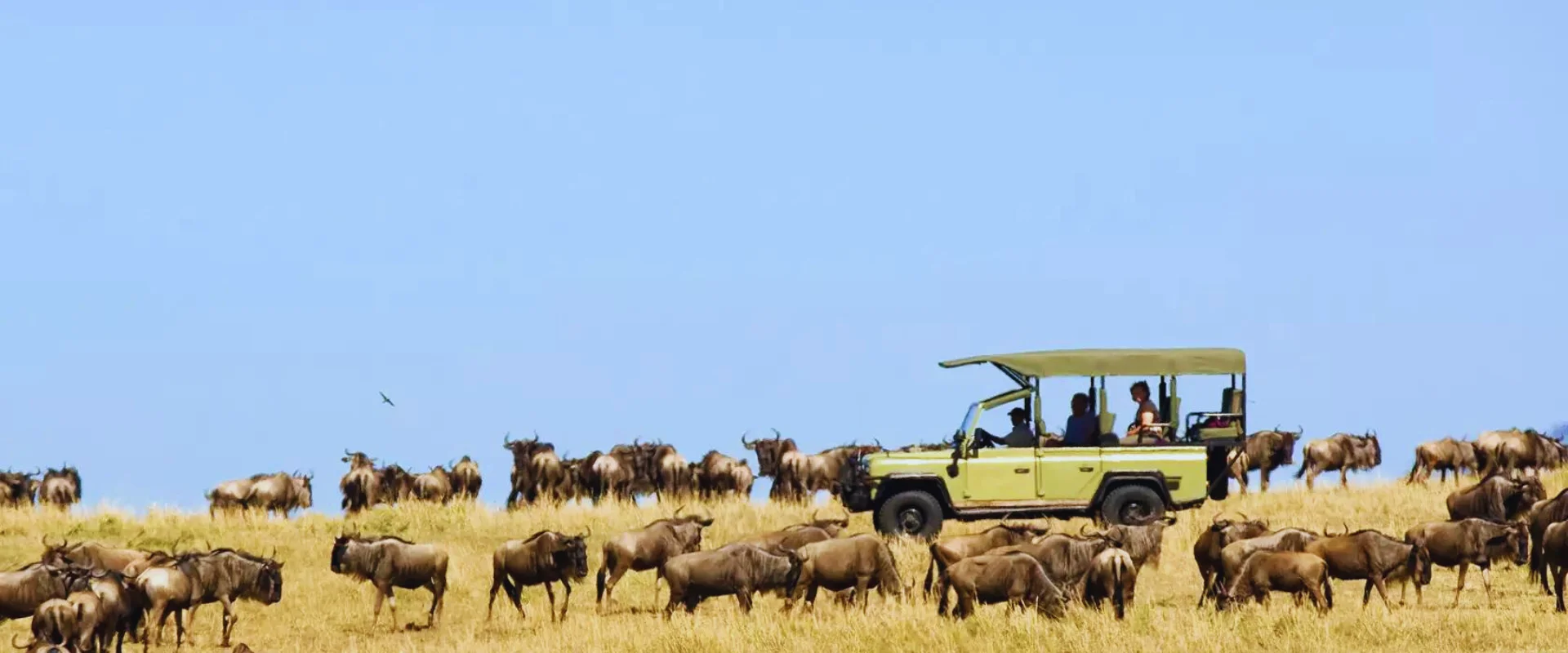
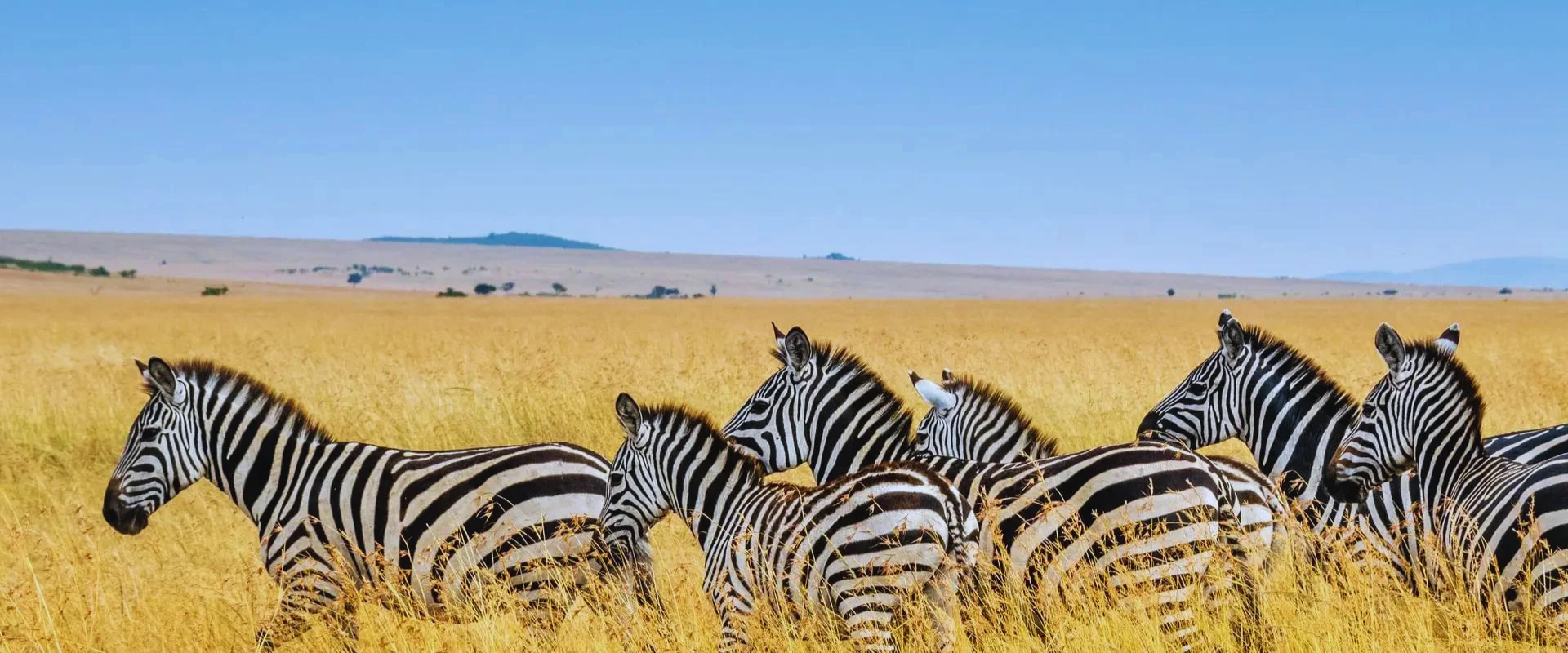
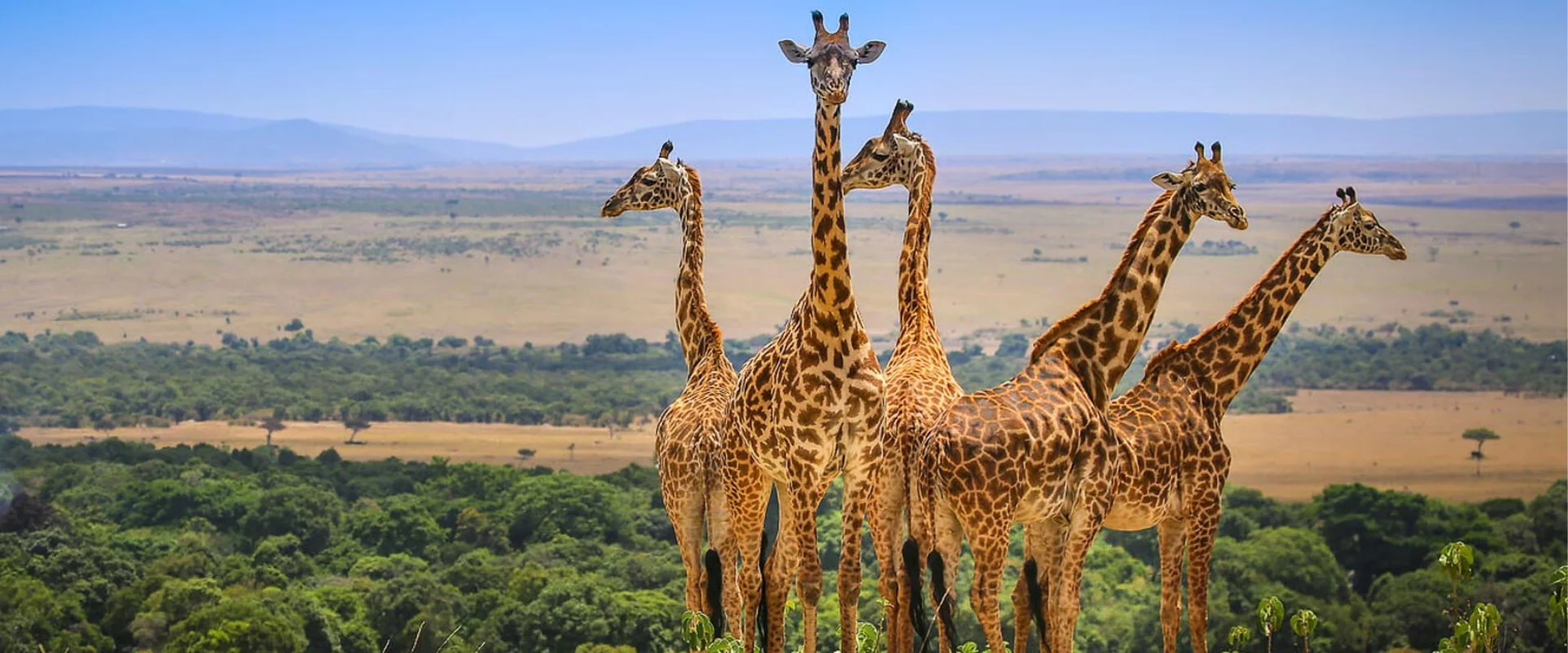
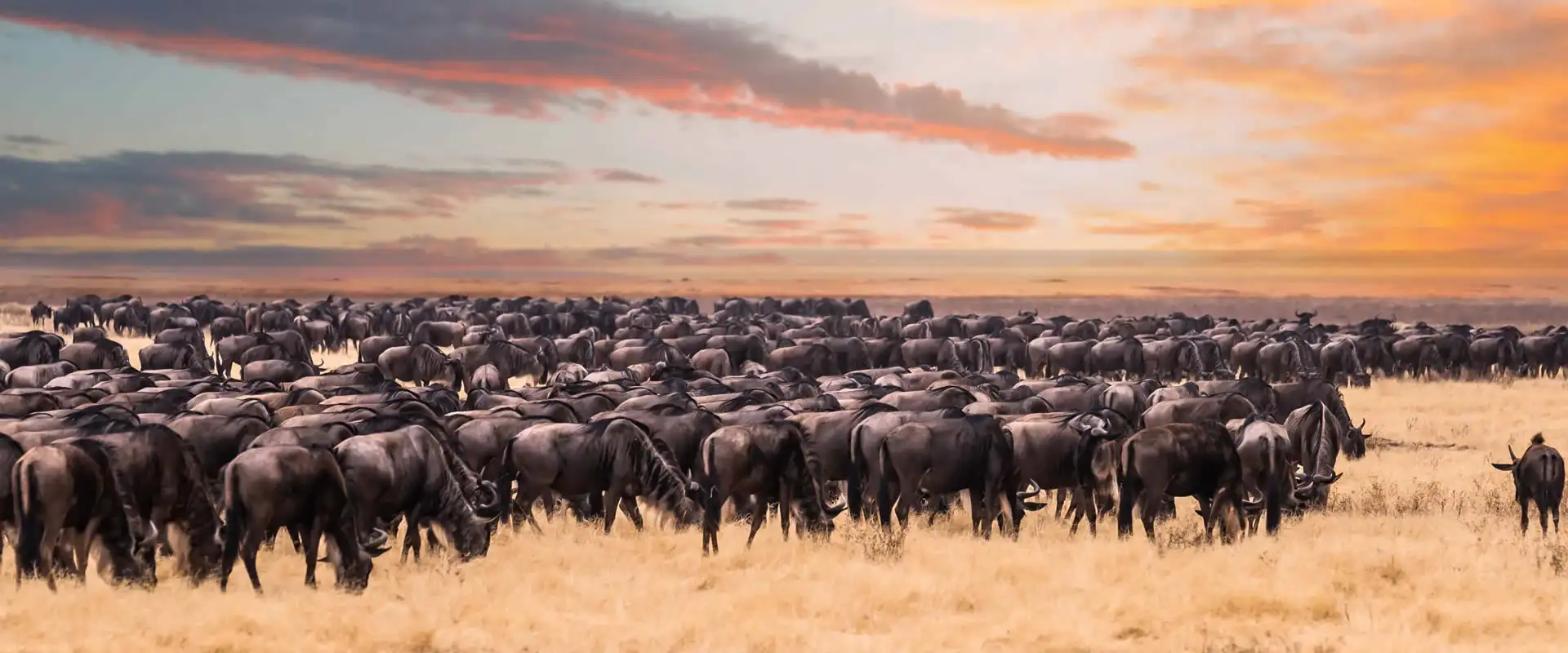
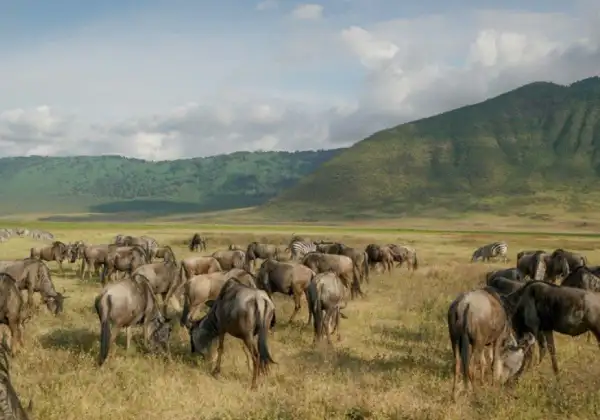
If the Great Migration is the single reason you're planning a Tanzania trip, this itinerary is built for you. Rather than splitting your time across multiple parks, you'll spend the bulk of this 5-day safari inside the Serengeti itself — the stage on which over two million wildebeest, zebra and gazelle play out one of the most spectacular wildlife events on the planet.
You'll cover the Serengeti's central Seronera area, famous for year-round predator sightings, and — depending on your travel dates — the specific migration zone where the herds are moving at that time, whether that's calving in the southern plains, the river crossings of the north, or the western corridor. We track migration movements closely so your game drives are positioned where the action actually is.
You'll close out the trip with an afternoon inside the Ngorongoro Crater, one of the most wildlife-dense places on Earth, before heading back to Arusha for your onward journey.
Day-by-Day Itinerary
Day 1: Arusha to the Serengeti
After an early breakfast in Arusha, you'll set off for the Serengeti, a drive of around 245-380 km (roughly 6-8 hours depending on the exact route and entry gate) that gives you a first taste of the Tanzanian countryside. You'll break for lunch en route and enter the park in the afternoon with time for a game drive on the way to your camp in the central Seronera area, home to resident lion prides and reliable leopard sightings. Overnight in the Serengeti, full board.
Day 2: Full Day in Central Serengeti
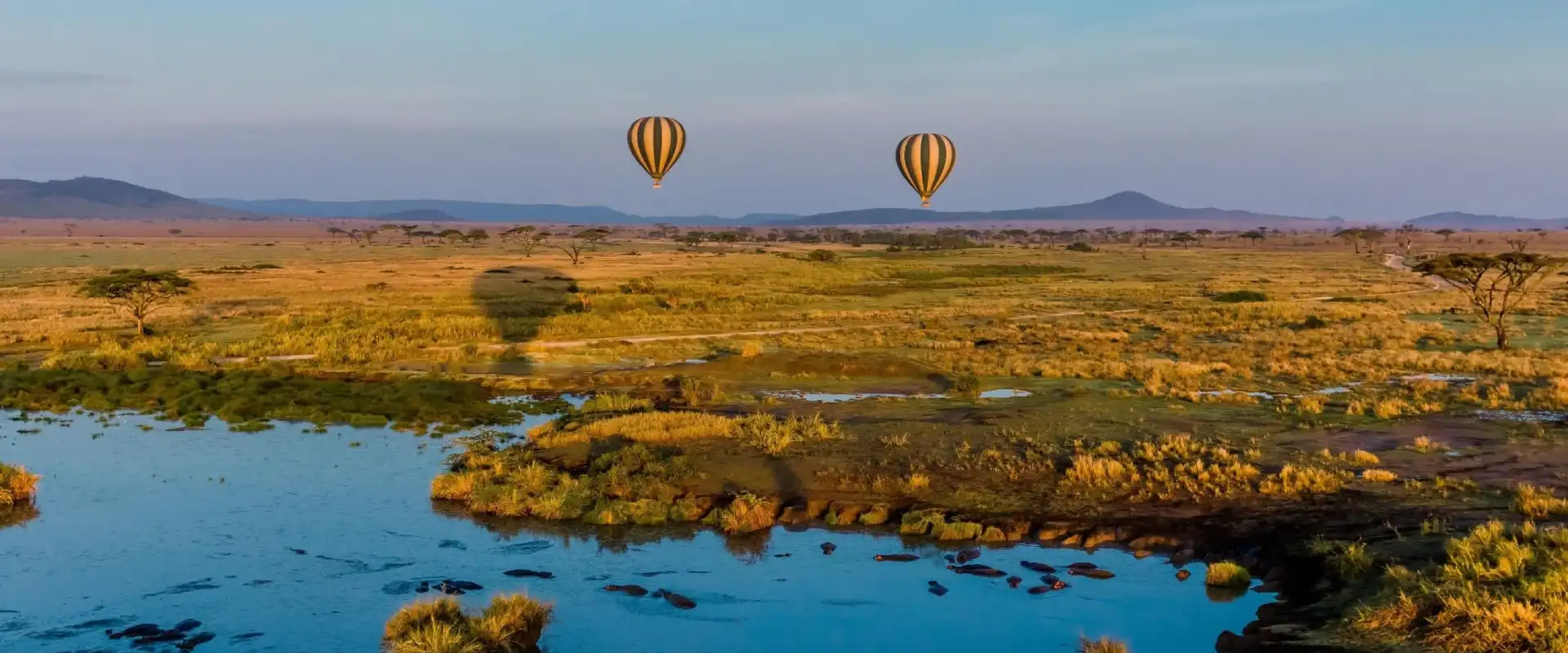
You'll spend the full day exploring the Seronera Valley, the ecological heart of the Serengeti and one of the most reliable big-cat viewing areas in all of Africa. With a picnic lunch, you'll go out for both morning and afternoon game drives along the river systems and kopjes (rocky outcrops) where lion and leopard love to rest, keeping an eye out for the migration herds if they're passing through this part of the ecosystem. Overnight in the Serengeti, full board.
Day 3: Into the Migration Zone
Today you'll reposition to wherever the Great Migration herds are concentrated at the time of your visit — this could mean heading south to the short-grass plains for calving season (roughly January to March), north toward the Mara River for the famous crossings (July to September), or west into the Grumeti area (May to July). Your driver-guide will brief you on exactly where the action is before you set off, and the day is spent tracking and watching the herds. Overnight in the Serengeti's migration area, full board.
Day 4: Serengeti to Ngorongoro Crater
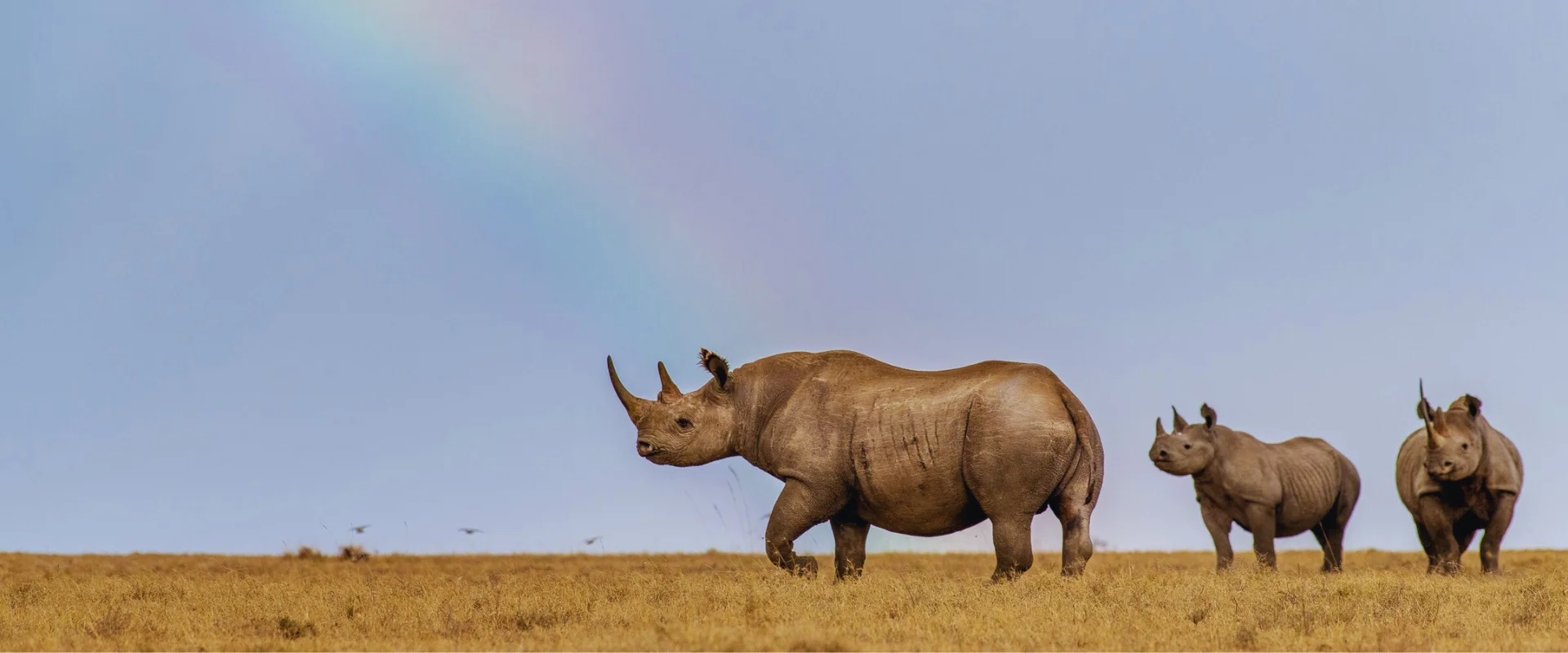
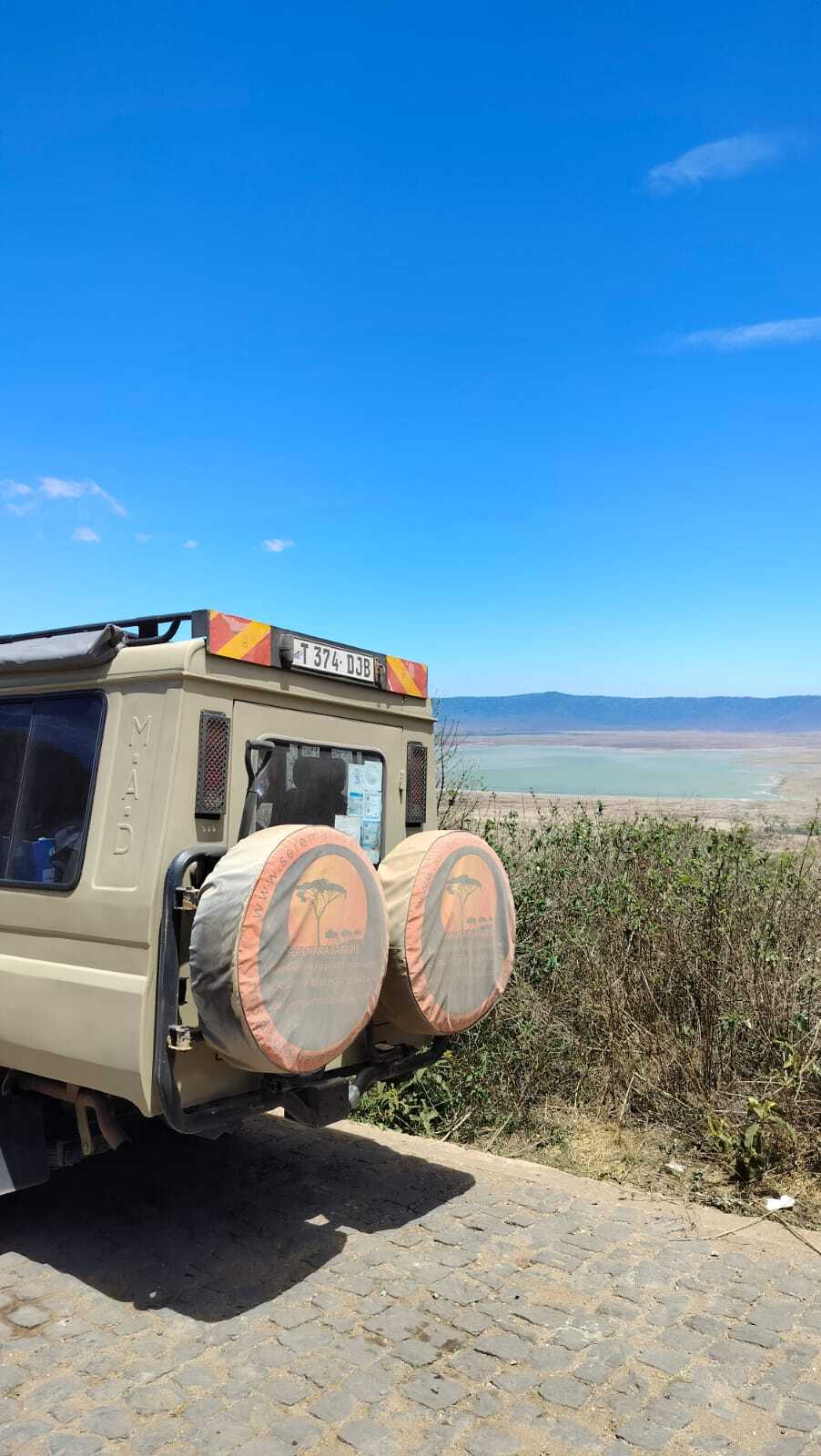
You'll drive from the Serengeti to the Ngorongoro Conservation Area, roughly 140-150 km taking 3-4 hours, arriving in time for an afternoon game drive down onto the crater floor. Inside this natural amphitheatre you'll find one of the densest concentrations of wildlife anywhere in Africa, including a real chance of spotting all of the Big Five in a single game drive. Overnight on the crater rim or in Karatu, full board.
Day 5: Ngorongoro to Arusha and Departure
After a final morning at leisure or an optional short game drive, you'll drive back to Arusha (around 180-190 km, 3-4 hours) in good time to connect with your onward flight, bringing your migration-focused safari to a close.
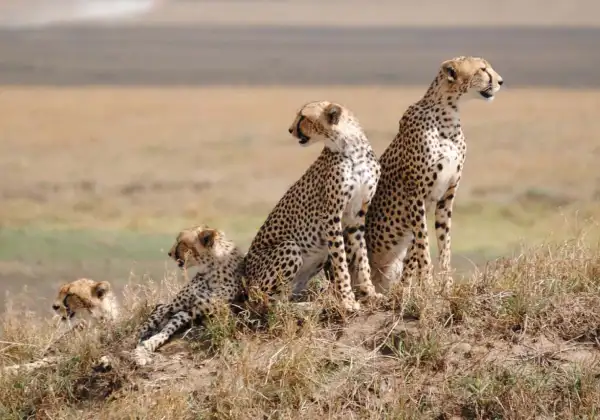
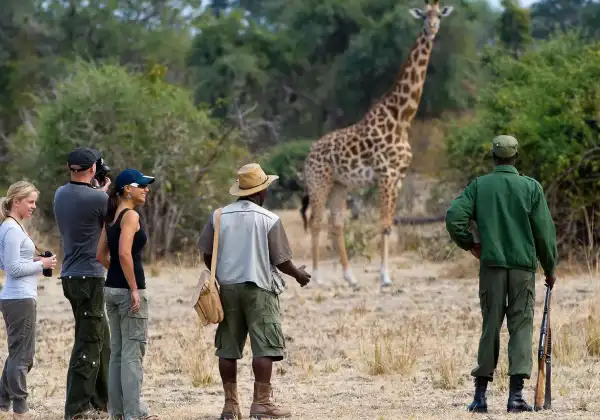
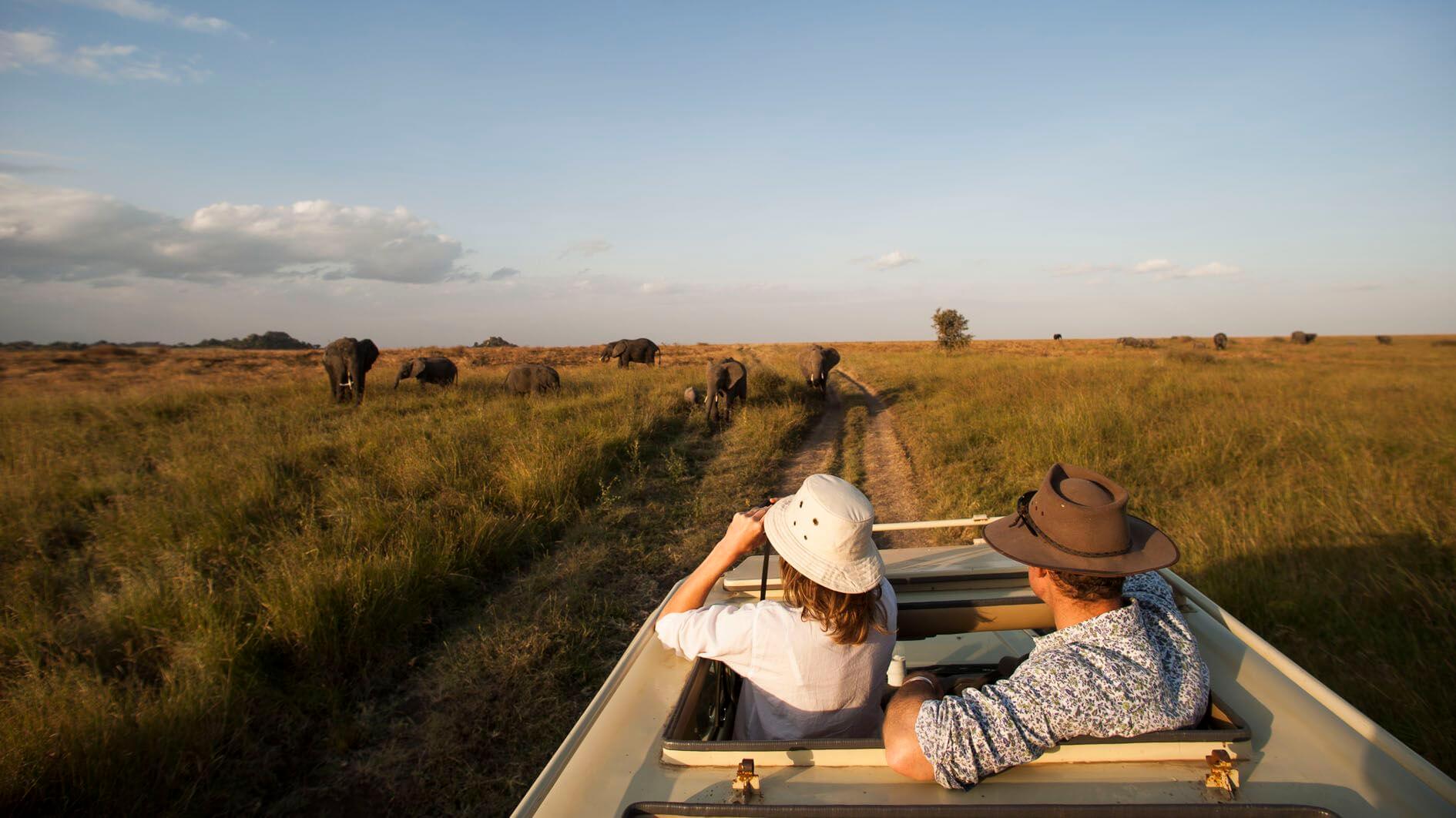
Photo Gallery
What's Included
- All park entrance fees for the itinerary listed
- Private 4x4 safari Land Cruiser with pop-up roof hatch
- Professional English-speaking driver-guide
- Unlimited bottled drinking water on board
- All accommodation on the board basis specified per day
- All ground transport, transfers and game drives listed
- Airstrip/border transfers where applicable
- Flying doctors emergency evacuation cover
Trip Planning Guide
The Great Migration moves in a continuous, roughly circular pattern, so timing matters. As a general guide: January-March the herds are calving on the southern plains near Ndutu; April-May they move north through the central Serengeti; June-July they cross into the Western Corridor; and July-September they push north for the dramatic Mara River crossings. We'll confirm the best positioning for your specific travel dates when you book.
- Neutral-toned clothing for game drives, plus a warm layer for early mornings
- A good pair of binoculars — migration viewing rewards patience and distance-spotting
- Camera with a telephoto lens if you want to capture crossing action
- Comfortable, closed shoes and a hat with a brim
A valid passport (6 months validity), a Tanzania visa (available online in advance or on arrival for most nationalities), and a Yellow Fever certificate if arriving from a country with yellow fever risk. Speak to your doctor about malaria prevention ahead of travel.
Many standard itineraries spread your time across several parks, which means less time actually with the herds. This 5-day trip is deliberately weighted toward the Serengeti so more of your safari is spent where the migration is happening, with the Ngorongoro Crater added at the end as a highlight rather than a distraction from your main goal.
Tour Route Map
Frequently Asked Questions
No safari operator can honestly guarantee a specific migration event, since the herds are wild animals moving on their own timeline. What we can guarantee is that we position you in the part of the ecosystem where the migration is most likely to be during your travel dates, based on historical patterns and up-to-date reports from guides on the ground.
It depends what you want to see. For river crossings, aim for July to September in the northern Serengeti. For the drama of calving season and high predator activity, January to March in the southern plains is excellent. Tell us your dates and we'll advise honestly on what to expect.
Yes — if you'd like a fuller Northern Circuit experience, we can extend this itinerary or you can consider our 6-Day Tanzania Northern Circuit Safari, which adds Tarangire and Lake Manyara to the same core Serengeti/Ngorongoro route.
Very much so. The extra time concentrated in the Serengeti, rather than spread thin across multiple parks, gives you more opportunities to wait for the right light and the right moment, which serious wildlife photographers appreciate.
5-Day Serengeti Migration Safari