7 Days Kenya-Tanzania Safari
The 7 Days Kenya Tanzania Safari is a cross-border classic, carrying you from the Masai Mara's open plains through the Serengeti's endless grassland and the Ngorongoro Crater's dense wildlife concentrations, before closing with a very deliberate final stop: Lake Manyara National Park, famous for its tree-climbing lions and lush groundwater forest, rather than the more commonly used Tarangire finish found on some similar itineraries.
This Masai Mara to Serengeti Safari Tour is built for travellers who want the full East African migration circuit experience without sacrificing a distinctive closing chapter. Choosing Lake Manyara over Tarangire means trading big elephant herds and giant baobabs for a completely different final landscape — dense, shady groundwater forest, alkaline lake shallows thick with flamingos, and the singular spectacle of lions draped over acacia branches.
Along the way, expect a proper overland border crossing at Isebania, the vast short-grass plains of the southern Serengeti during calving season, the astonishing density of predators inside the Ngorongoro Crater, and finally the forested floor of the Rift Valley escarpment at Lake Manyara, where abundant birdlife and troops of baboon fill the groundwater forest canopy. This Kenya Tanzania Combined Safari genuinely earns its name by giving equal weight to both countries' signature landscapes.
From $2,000 per person sharing, this 7 Days Kenya Tanzania Safari includes transport in a 4x4 safari Land Cruiser with a pop-up roof, unlimited mileage, a professional English-speaking driver-guide, all park and conservation fees, and full-board accommodation throughout the journey.
Day-by-Day Itinerary
Nairobi to the Masai Mara
Your 7 Days Kenya Tanzania Safari begins with a 7:00am pickup from Jomo Kenyatta International Airport or your Nairobi accommodation for the drive west to the Masai Mara. You'll arrive in the afternoon, check in, and enjoy lunch before heading out for your first game drive. Guests arriving by scheduled flight into the Mara airstrip are collected en route and join the group for the afternoon's activities.
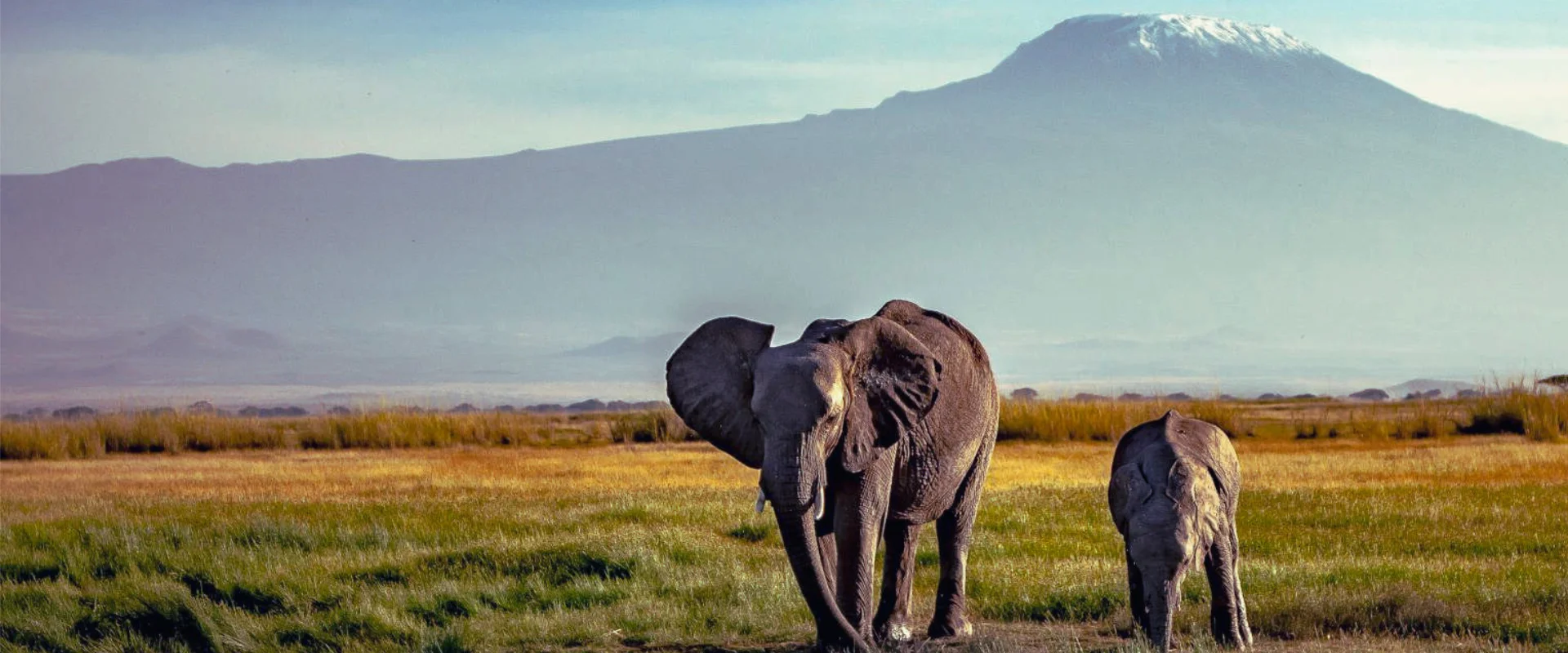
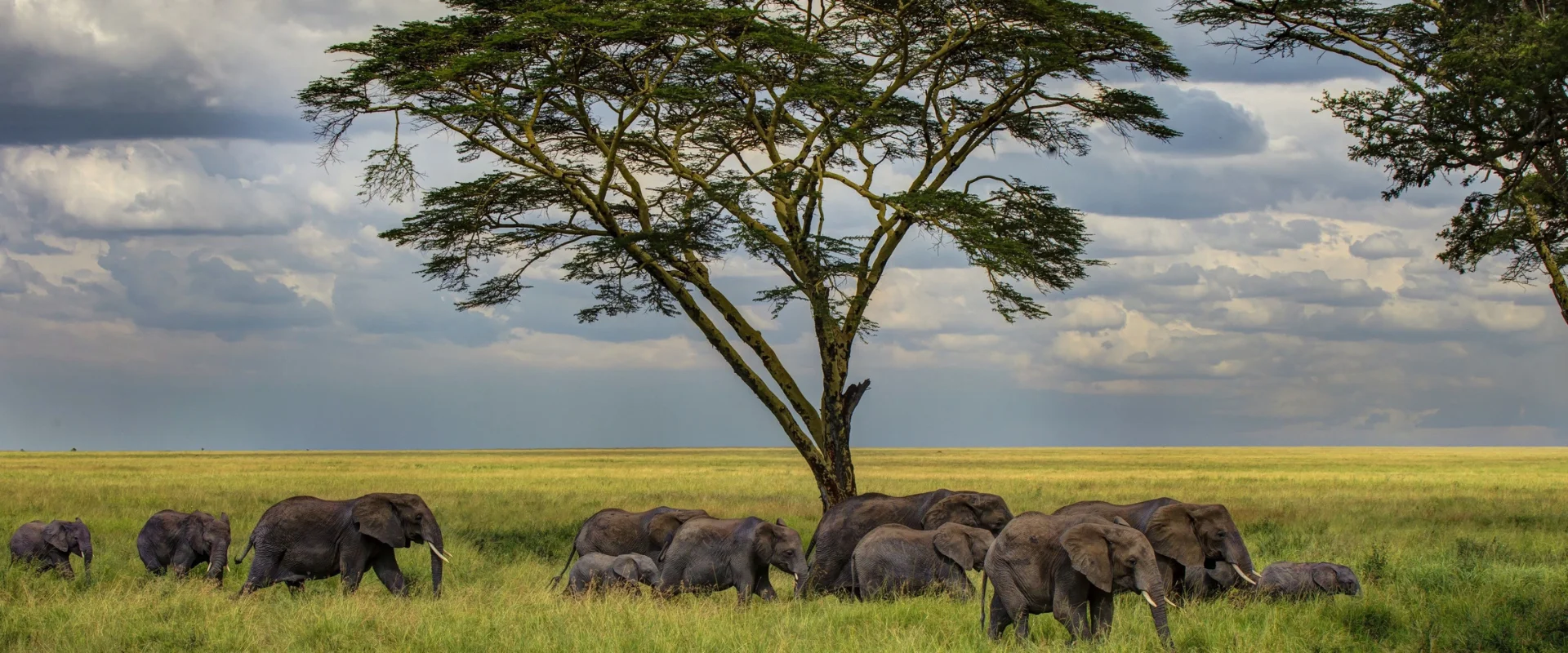
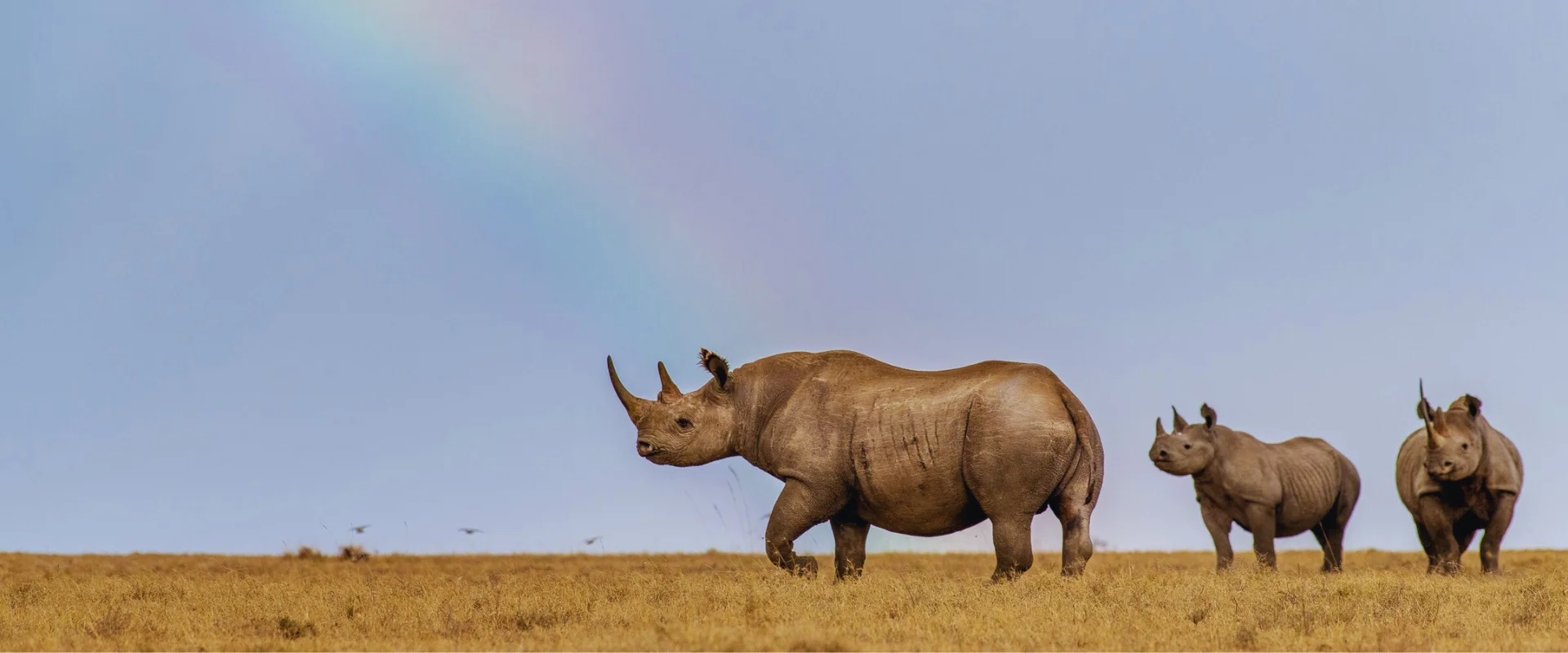
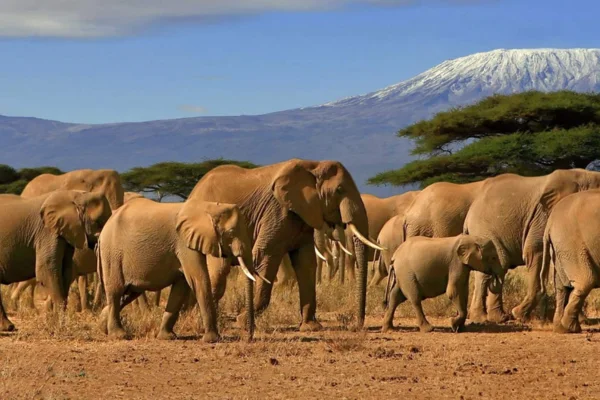
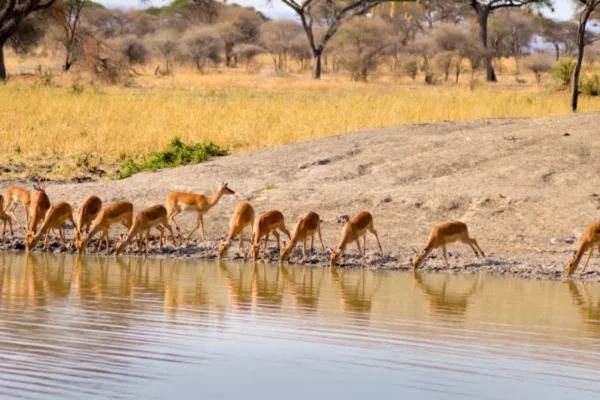
The Masai Mara at this time of year is extraordinary: wildlife is abundant and the open grasslands ensure animals are rarely out of view. Large herds of elephant browse among tree-studded plains, occasional black rhino make an appearance, and Thomson's and Grant's gazelle, topi and eland provide rich hunting grounds for the reserve's lion, leopard and cheetah populations, all active across this pristine wilderness.
As the light softens toward evening, your driver-guide will position the vehicle for the best photographic opportunities before heading back to camp as dusk settles in. Evenings typically wind down around the fireplace, with a Maasai night guard, known as an Askari, escorting you safely back to your tent or room. This opening day sets the tone for what's ahead — three ecosystems, two countries, and a deliberately distinctive Lake Manyara finish still to come. Dinner and overnight at Zebra Plains Mara Camp or Mara Serena Safari Lodge.
Morning and Afternoon Game Drives in the Mara
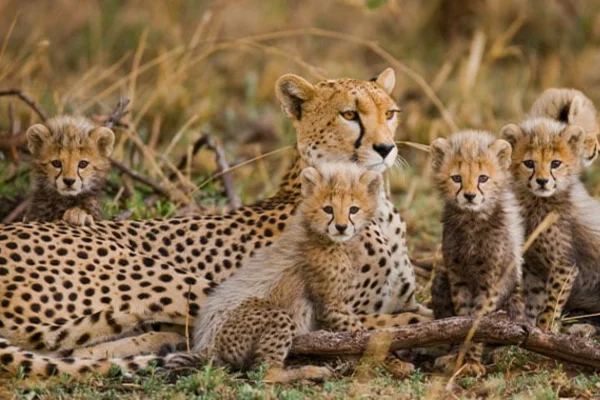
Wake to the magnificent dawn chorus of the Masai Mara's birdlife, then set out with a quick coffee and some snacks for an early morning game drive while the light is soft and clear — ideal conditions for photography, with the bush alive with colour and fresh activity carried over from the night before. This is prime time to catch predators still active, with lions and cheetahs often visible near a recent kill or beginning a new stalk.
Return to camp for a full breakfast and some downtime before lunch. In the afternoon, head back out with your driver-guide for a dedicated search for the Big Five, making the most of the low, golden light that makes this hour so rewarding for photographing the Mara's rolling plains. As you make your way back toward camp in the early evening, watch the tree lines closely — leopards are frequently spotted on the prowl at this hour.
This first full Mara day establishes the classic split-drive rhythm: an active dawn outing, a relaxed midday break, and a golden-hour afternoon session, giving you variety of light and wildlife behaviour across the day. Dinner and overnight at camp, with one more full day in the reserve tomorrow before the itinerary crosses into Tanzania.
Full-Day Safari and the Wildebeest Migration
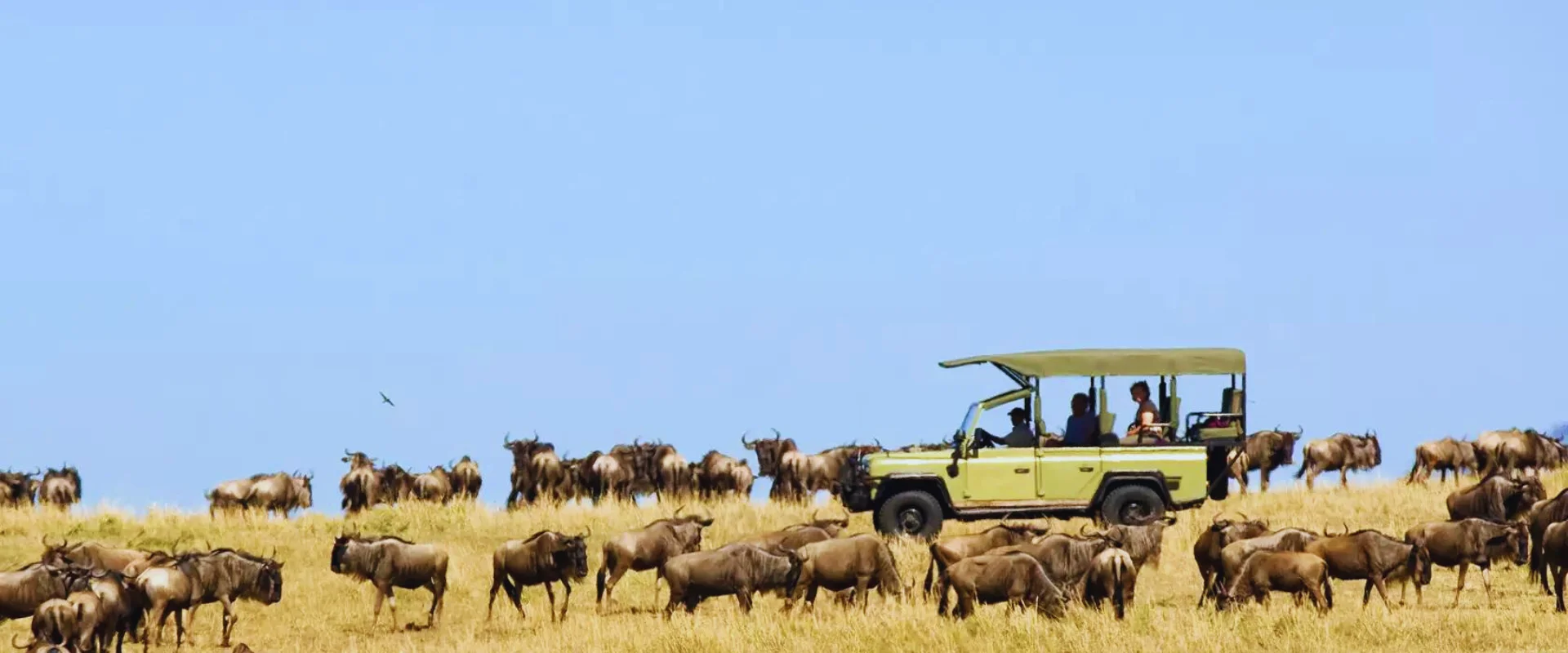
For your second full day in the Masai Mara, swap the split-drive format for a full-day safari with a picnic lunch carried into the field, allowing your driver-guide to venture further from camp and increasing your chances of witnessing the Great Wildebeest Migration if you're travelling between roughly July and October. Enjoy a hearty breakfast before setting out for a day dedicated entirely to the reserve's open plains.
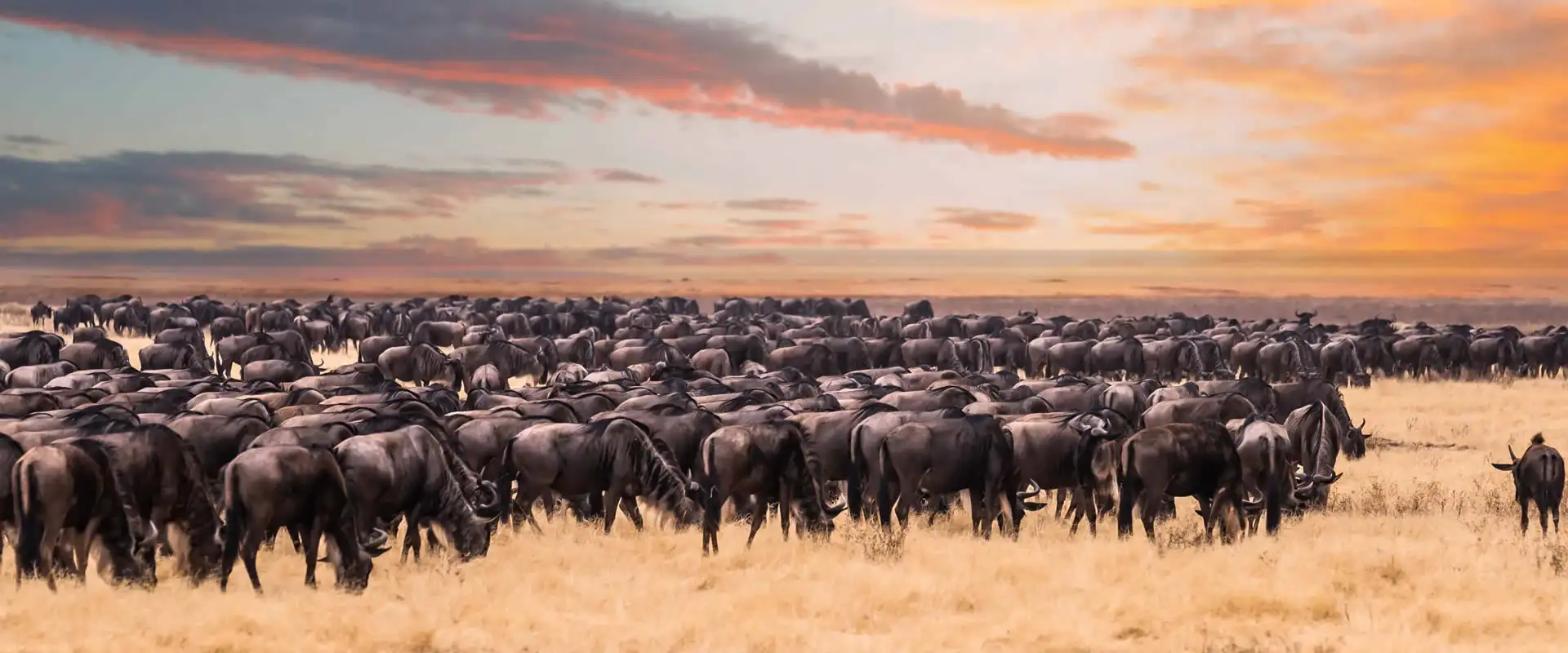
Catch the drama of predators stalking their prey as lions and cheetahs work the herds of topi, eland and gazelle scattered across the grassland, all set against the incredible backdrop of clear blue skies and the Mara's signature rolling terrain. If the migration is active, you may witness herds of wildebeest and zebra building toward a Mara River crossing, one of the most sought-after wildlife spectacles anywhere in Africa.
This final Mara day is your last chance to explore the reserve before tomorrow's border crossing into Tanzania, so your guide will prioritize any specific sightings — rhino, migration crossings, or a particular predator — that you haven't yet had the chance to see. Return to camp as the sun drops toward the escarpment, with dinner and a last night in the Mara capping off the Kenyan half of this Kenya Tanzania Combined Safari.
Crossing into Tanzania: The Serengeti
After breakfast, transfer via Migori to Tarime for immigration clearance at the Isebania border, the overland gateway between Kenya and Tanzania. On the Tanzanian side, a driver-guide picks you up and continues the journey into the Serengeti National Park, one of the most spectacular protected ecosystems in East Africa. From short and long grass plains in the south to acacia savannah in the central Seronera Valley and denser woodland in the north and west, the Serengeti offers extraordinary geographic variety alongside its famous wildlife density.
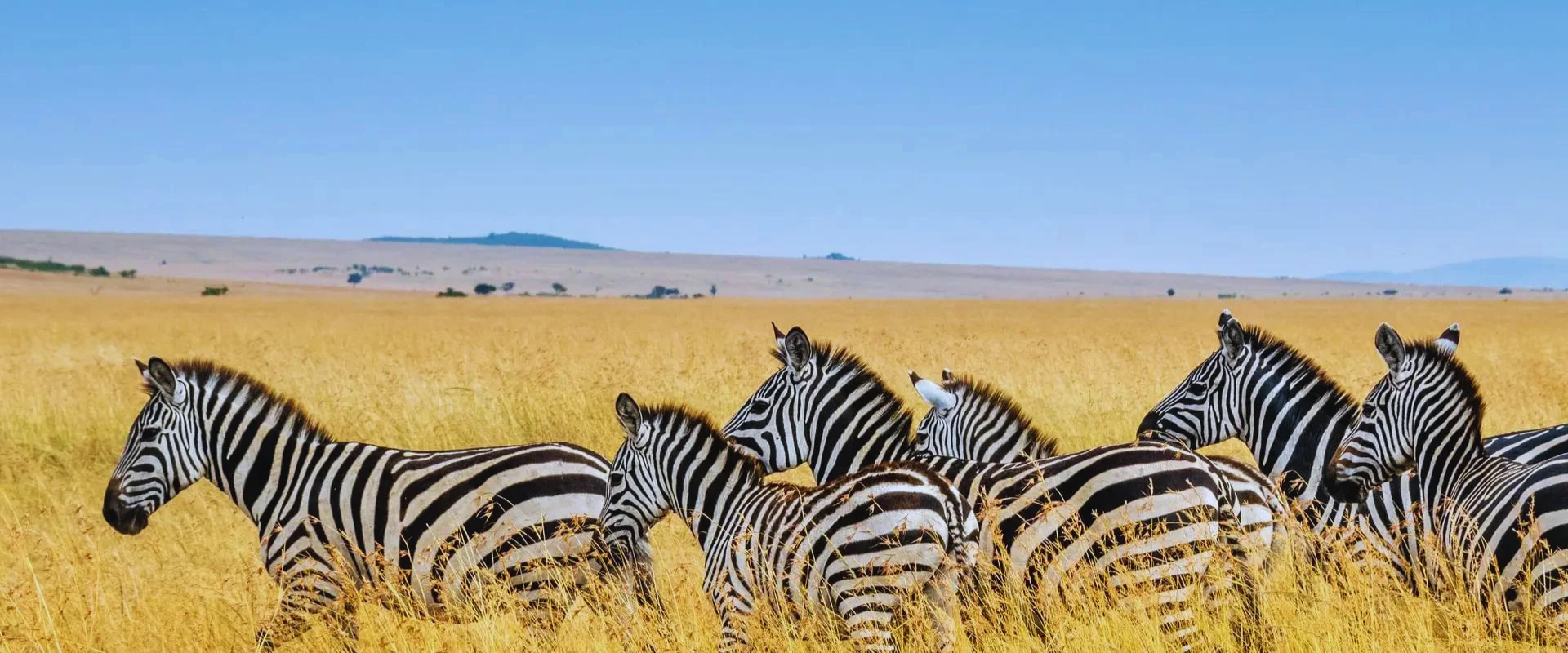
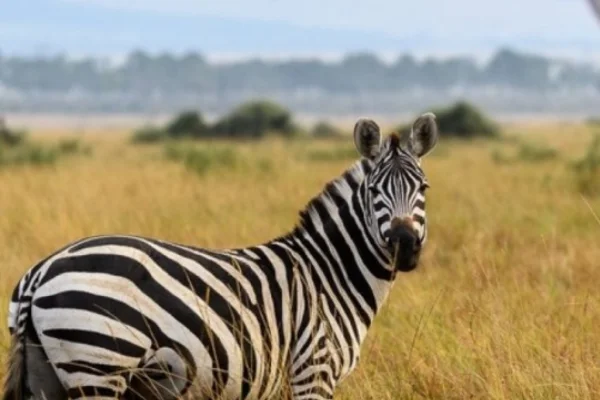
The park's name derives from the Maasai word Siringet, meaning “endless plains.” Each year, roughly 1.5 million wildebeest, 300,000 Thomson's gazelle and 250,000 zebra migrate north from these plains toward the Masai Mara, drawn by seasonal rainfall and fresh grass, with lion, hyena and cheetah following close behind. From January onward, massive herds gather on the southern plains to calve, drawing intense predator activity as newborn calves become an abundant, if grim, food source for the ecosystem's carnivores.
This 22,000 square kilometre ecosystem supports an estimated two million herbivores, and once the long rains end in May, the plains dry quickly, triggering the famous northward migration that eventually brings the herds back into the Masai Mara you explored earlier in this trip. Arrive at your Serengeti camp in the evening for dinner and overnight, with a full day dedicated entirely to the park still ahead.
Full Day Exploring the Serengeti's Endless Plains
Today is dedicated entirely to game driving through the Serengeti, one of the richest wildlife areas on the planet. To maximize your time in the field, a picnic lunch travels with you, allowing you to explore further afield than a lodge-based schedule would normally allow, whether that means tracking the migration herds, searching for resident prides along the Seronera River, or simply taking in the sheer scale of the landscape from a kopje viewpoint.
Depending on the season, your driver-guide will focus the day's route on wherever wildlife concentration is highest — the southern short-grass plains during calving season from roughly December through March, or the western and northern woodlands as the dry season pushes the migration toward the Grumeti and Mara Rivers later in the year. Predators including lion, leopard, cheetah, hyena and jackal are consistently present throughout the park regardless of migration timing, supported by the sheer volume of resident and migratory herbivores.
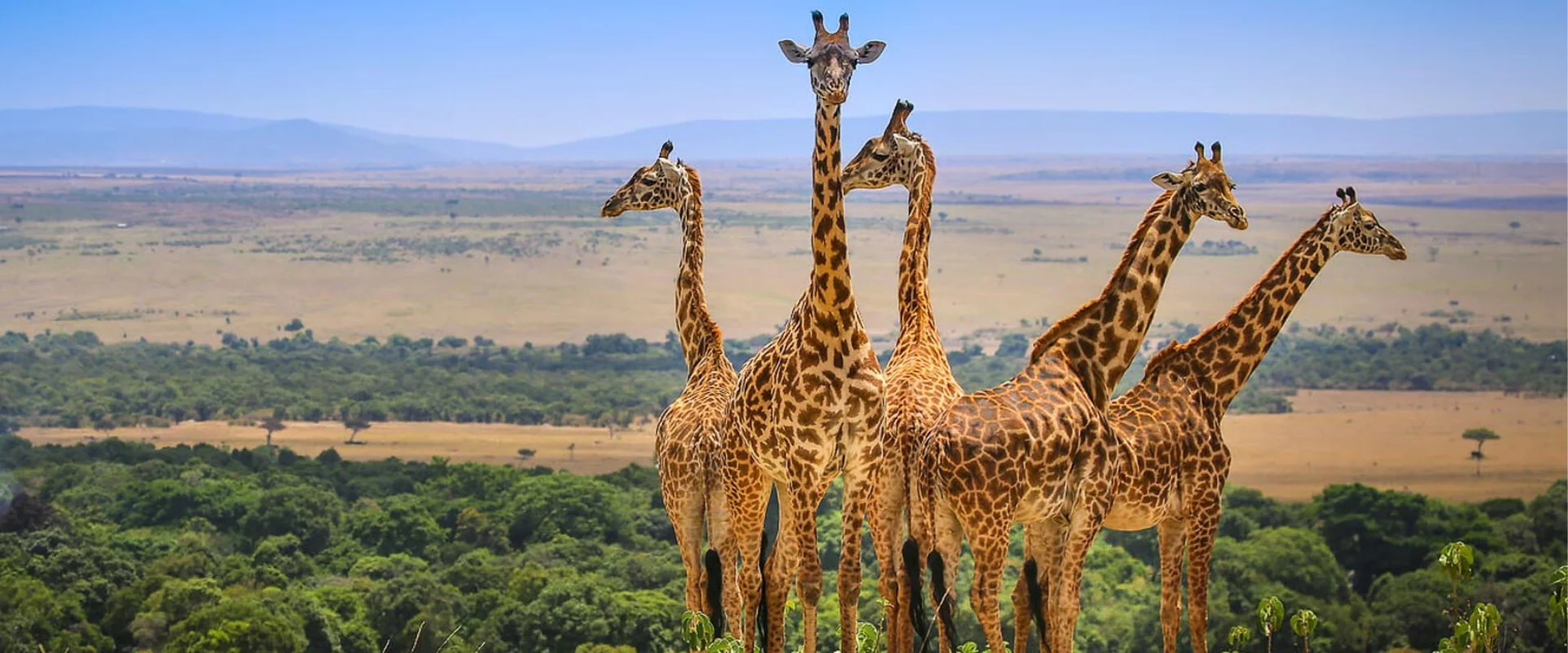
Beyond the marquee migration spectacle, the Serengeti rewards patient game viewing with giraffe, buffalo, elephant and a striking range of birdlife, from ostrich on the open plains to raptors perched on acacia branches. As the day winds down, return to camp for dinner, with tomorrow's departure toward Ngorongoro Crater bringing the next distinct chapter of this Serengeti Ngorongoro Lake Manyara Safari.
Into the Ngorongoro Crater
After breakfast, depart the Serengeti and head toward Ngorongoro Crater, the world's largest intact volcanic caldera and one of Africa's most concentrated wildlife-viewing areas. The crater floor supports up to 25,000 large mammals within its roughly 260 square kilometre basin, with grazers dominating the population — zebra and wildebeest together account for almost half of all animals present, alongside gazelle, buffalo, eland, hartebeest and warthog.
Interestingly, giraffe are almost entirely absent from the crater floor, since there isn't enough food available at tree level to sustain them, and topi are similarly scarce due to direct competition with the crater's dominant wildebeest population. The crater's elephants are notable for being almost exclusively bulls, as breeding herds with females and young typically cannot find sufficient quality food within the confined caldera and remain on the surrounding highlands instead.
Ngorongoro holds the densest population of large predators found anywhere in Africa, with roughly 100 lions and more than 400 spotted hyenas living in eight distinct clans of up to eighty individuals each. Lions and hyenas frequently scavenge from one another depending on numbers and hunger, creating some of the most dramatic predator interactions available on safari. In the early evening, drive up to your lodge perched on the crater rim, with dinner and overnight taking in sweeping views down into the caldera below.
Lake Manyara's Tree-Climbing Lions and Departure
This final day heads to Lake Manyara National Park, roughly 1.5 hours from Ngorongoro, spending the morning and early afternoon game driving through its distinctive lush groundwater forest — a habitat unlike anything else on this itinerary and the deliberate reason this trip closes here rather than at Tarangire. Lake Manyara is famous specifically for its tree-climbing lions, a behaviour rarely seen elsewhere in East Africa, though sightings are genuinely easier in the Serengeti's more open terrain than in Manyara's dense forest canopy, where visibility can be limited.
Birdlife throughout the park is abundant, with the alkaline lake shallows attracting flamingos, pelicans and a wide range of waterbirds, while troops of baboon and other primates move noisily through the groundwater forest canopy overhead. Optional cultural activities are available in the nearby village of Mto wa Mbu, just outside the park boundary, including tours of local banana farms, markets and everyday village life — a grounded, community-level contrast to the wilderness you've spent the past week exploring.
After lunch, leave the park and drive via Arusha town toward Kilimanjaro Airport, arriving in time for your evening flight home. This Lake Manyara finish, with its shaded forest floor, flamingo-lined shallows and famous tree-climbing lions, gives your 7 Days Kenya Tanzania Safari a genuinely distinctive final chapter rather than simply repeating the open savannah scenery you've already experienced in the Mara and Serengeti.
Photo Gallery
Explore the Destinations on This Safari
The Masai Mara National Reserve opens this cross-border itinerary with three full days of classic savannah game viewing. Rolling grassland studded with acacia supports dense lion, leopard and cheetah populations, alongside large herds of elephant and abundant plains game including topi, eland and gazelle. Between roughly July and October the reserve hosts a leg of the Great Wildebeest Migration, with dramatic Mara River crossings a major draw for visitors. As the Kenyan bookend of this Masai Mara to Serengeti Safari Tour, the Mara sets a high bar for wildlife density before the itinerary crosses the Isebania border into Tanzania's even larger Serengeti ecosystem, allowing for a natural, direct comparison between the two connected but distinct halves of the greater Mara-Serengeti wilderness.
The Serengeti National Park is the Tanzanian half of the greater Mara-Serengeti ecosystem, a 22,000 square kilometre expanse of short and long grass plains, acacia savannah and woodland supporting an estimated two million herbivores. Its name, from the Maasai Siringet meaning "endless plains," captures the scale that makes this park so celebrated. The Serengeti hosts the bulk of the Great Wildebeest Migration for much of the year, including the dramatic calving season on its southern plains from December to March, and maintains healthy resident populations of lion, leopard, cheetah and hyena regardless of migration timing. Two full days here allow genuine depth of exploration beyond a single quick pass through the park.
The Ngorongoro Conservation Area centres on the Ngorongoro Crater, the world's largest intact volcanic caldera, supporting up to 25,000 large mammals in a compact, easily explored basin. The crater holds Africa's densest population of large predators, including roughly 100 lions and more than 400 spotted hyenas organized into large clans, alongside dominant grazing populations of zebra and wildebeest. Unusual ecological quirks, such as the near-total absence of giraffe and the crater's almost exclusively male elephant population, make this a genuinely distinctive stop rather than a repeat of the open savannah already seen in the Mara and Serengeti. A single day here delivers concentrated wildlife viewing unmatched almost anywhere else on the continent.
Lake Manyara National Park closes this itinerary with a landscape unlike anything encountered earlier in the trip: a lush groundwater forest fed by underground springs at the base of the Rift Valley escarpment, opening onto the alkaline shallows of Lake Manyara itself. The park is famous for its tree-climbing lions, a behaviour thought to be a response to biting insects and heat at ground level, though sightings are genuinely more consistent in the Serengeti's open terrain than in Manyara's dense canopy. Beyond the lions, the park supports abundant birdlife, including flamingos on the lake shallows, and large troops of baboon in the forest. Choosing Lake Manyara over the more commonly used Tarangire finish gives this itinerary a distinctly forested, water-focused closing chapter.
What's Included
- Transport and game drives in a 4x4 safari Land Cruiser with a pop-up roof
- Unlimited mileage to ensure the best possible wildlife sightings
- Services of a professional, English-speaking driver-guide
- All transfers to and from airports, hotels and lodges
- All park fees and conservation fees, including Ngorongoro Conservation Area fees
- Accommodation on a full-board basis with breakfast, lunch and dinner included
- Mineral water during game drives
- A cooler box provided for your own supply of drinks
Trip Planning Guide
This cross-border itinerary strings together four distinct ecosystems, each with its own wildlife highlights.
- Masai Mara predators: lion, leopard and cheetah hunting across open grassland, with migration crossings possible July-October.
- Serengeti's endless plains: vast migratory herds and consistent predator sightings year-round.
- Ngorongoro Crater density: up to 25,000 large mammals and Africa's highest concentration of lion and hyena.
- Lake Manyara's tree-climbing lions: a rare behaviour set against groundwater forest and flamingo-lined shallows.
- Visa & entry: separate Kenya and Tanzania visas or eTAs are required; confirm current requirements for the Isebania land border before travel.
- Border crossing: day four involves an overland immigration crossing at Isebania, with a vehicle and driver-guide change on the Tanzanian side.
- Long driving days: several legs involve three to six hours of overland travel between parks.
- Malaria zones: all four core destinations are malaria-risk areas; prophylaxis and repellent are recommended.
- Currency: Tanzanian shillings and US dollars are both used; carry small denominations for park-side purchases.
- Neutral-toned, breathable safari clothing plus a warm layer for cool crater-rim evenings
- Both Kenyan and Tanzanian visa documentation or eTA confirmations for the border crossing
- Binoculars and a camera with zoom lens for wildlife and landscape photography
- Wide-brimmed hat, sunglasses and high-SPF sunscreen
- Comfortable closed shoes for walks near Lake Manyara and Mto wa Mbu village
- Basic malaria prevention and insect repellent
June to October is an excellent window for this 7 Days Kenya Tanzania Safari, combining dry-season game viewing with the chance to see the migration in both the Masai Mara and the Serengeti's northern reaches. December to March is equally rewarding for witnessing the Serengeti's calving season on its southern plains, with correspondingly intense predator activity. The long rains from March to May can make some roads between parks slower going, though the Ngorongoro Crater and Lake Manyara remain productive year-round thanks to their permanent water sources, making this itinerary a viable choice across most of the calendar.
Tour Route Map
Frequently Asked Questions
This safari is priced from $2,000 per person sharing, including transport in a 4x4 safari Land Cruiser, a professional driver-guide, all park and conservation fees, and full-board accommodation throughout the seven days.
This 7 Days Kenya Tanzania Safari is deliberately designed to close at Lake Manyara National Park for its tree-climbing lions and lush groundwater forest, offering a distinctly different final landscape from itineraries that finish at Tarangire, which is known instead for elephant herds and giant baobab trees.
The itinerary includes an overland crossing at the Isebania border on day four, travelling via Migori and Tarime for immigration clearance before continuing into the Serengeti with a Tanzanian driver-guide.
Lake Manyara is famous for this rare behaviour, though sightings are not guaranteed, as the park's dense groundwater forest makes visibility more difficult than in the Serengeti's open terrain.
The Masai Mara and Serengeti form one connected ecosystem split by the Kenya-Tanzania border; this itinerary visits both, giving you the Mara's dense predator concentrations followed by the Serengeti's much larger scale and its calving-season plains.
This Serengeti Ngorongoro Lake Manyara Safari includes three days in the Masai Mara, two days in the Serengeti, one day at Ngorongoro Crater, and a final day at Lake Manyara before departure via Kilimanjaro Airport.
Ngorongoro holds Africa's densest population of large predators, including around 100 lions and more than 400 spotted hyenas, alongside abundant zebra, wildebeest and other grazers on the crater floor.
International flights, Kenya and Tanzania visa fees, tips and gratuities, optional excursions such as the Mto wa Mbu village visit, and personal expenses like drinks and telephone calls are not included.
This Kenya Tanzania Combined Safari ends at Kilimanjaro Airport after a final morning and early afternoon at Lake Manyara National Park, connecting with evening flights home.
June to October offers strong migration-related game viewing in both the Mara and Serengeti, while December to March is ideal for the Serengeti's calving season, with the Ngorongoro Crater and Lake Manyara productive year-round.
7 Days Kenya-Tanzania Safari