
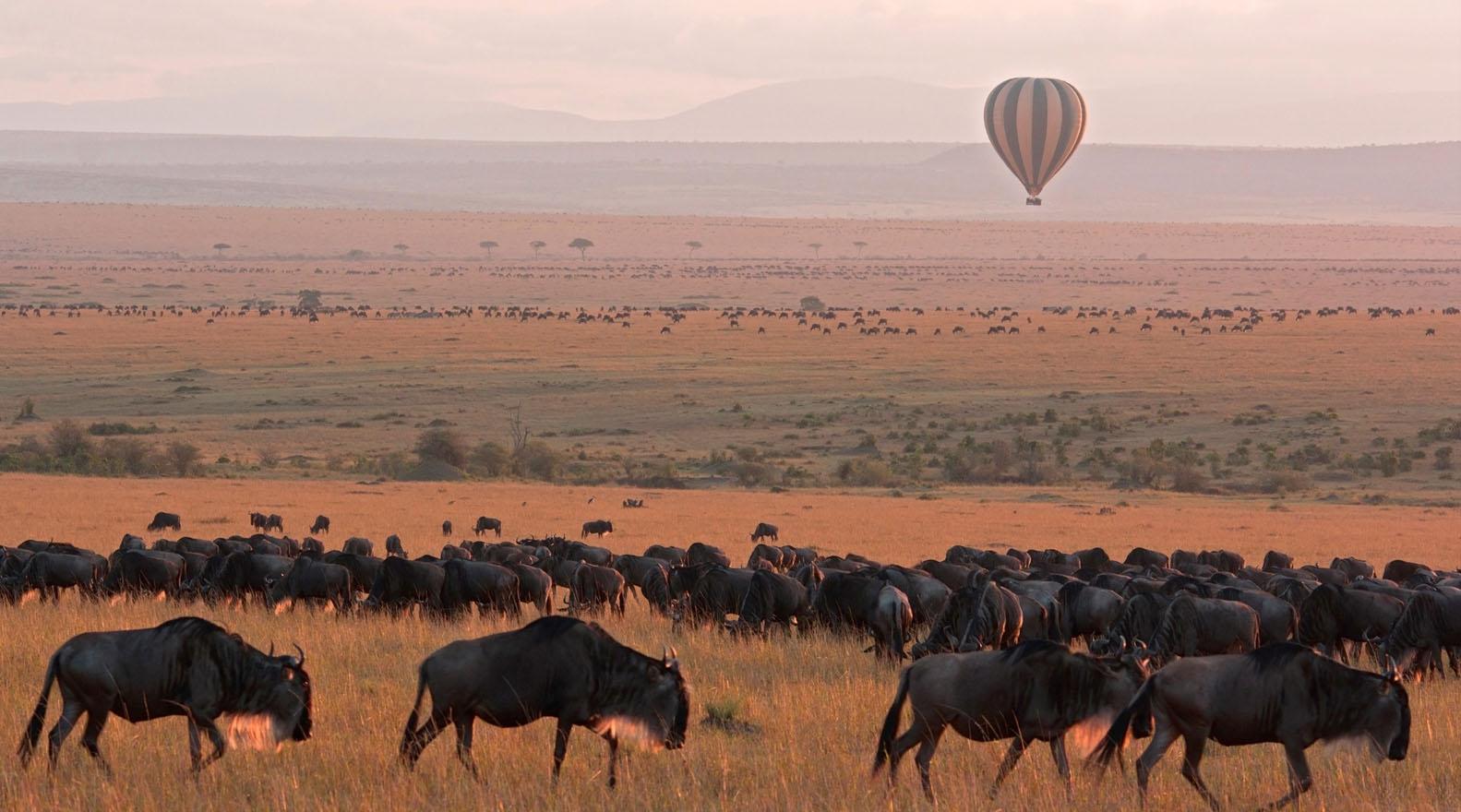
Planning an African safari often comes down to one critical question: which destination gives you the best wildlife experience without breaking the bank? The Serengeti and Masai Mara are two parks that dominate most travelers’ shortlists, but their total price tags can differ by hundreds—even thousands—of dollars. This guide is for travelers comparing safari costs between the Serengeti and Masai Mara for 2026, whether you are a first-timer or a seasoned safari-goer looking for the best value. We break down exactly where your money goes in each destination, using real 2026 data to help you compare costs and make a smarter decision.
Key Safari Types Defined
To help you compare costs accurately, here are definitions for the main safari categories and how they relate to accommodation and group/private options:
Budget Safari: Typically involves basic tented camps or public campsites, shared group vehicles, and minimal frills. These safaris are the most affordable and are widely available in both the Masai Mara and Serengeti, though the Mara offers more budget-friendly accommodations and group game drives, making it even more accessible to travelers on a tight budget.
Mid-Range Safari: Features comfortable tented camps or lodges with en-suite facilities, sometimes with small group or semi-private vehicles. These safaris balance comfort and cost, and both parks offer options in this range. The Masai Mara, however, has a broader selection of mid-range accommodations at competitive prices.
Luxury Safari: Involves high-end lodges or luxury tented camps, often with private vehicles, personalized service, and premium amenities. Both parks offer luxury options, but the Serengeti tends to be more expensive due to its remoteness and the prevalence of private safaris.
Accommodation Type & Group vs. Private Safaris:
The Masai Mara offers a wider range of accommodation options at both the lower and higher ends of available budgets compared to the Serengeti. Most Serengeti safaris are private, which increases the cost, while the Masai Mara allows for group game drives, making it cheaper for solo travelers or small groups.
The smaller size of the Masai Mara means shorter safaris are possible (typically 3 days and 2 nights), while the Serengeti’s vastness often requires 4 to 5 nights, increasing the overall cost.
Both parks have budget-friendly accommodations available, making safaris accessible to a wider audience.
Why Is the Masai Mara Generally Cheaper Than the Serengeti? (Quick Facts)
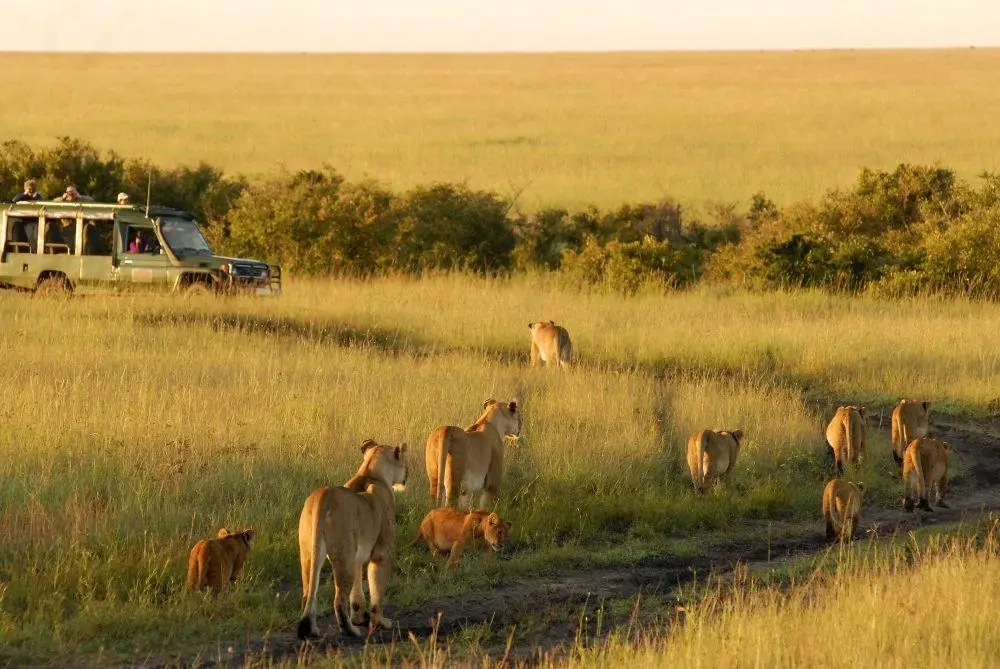
Before diving into the detailed cost breakdown, here’s a summary of why the Masai Mara is usually the more affordable safari destination:
Historical Price Trends: Historically, the Serengeti has been the more expensive option for safaris compared to the Masai Mara.
Affordability: A safari in the Masai Mara is generally more affordable than one in the Serengeti, especially for short, budget, or mid-range trips.
Accommodation Options: The Masai Mara offers more budget-friendly accommodations compared to the Serengeti, with a wider range at both the lower and higher ends of the budget spectrum.
Group vs. Private Safaris: Most Serengeti safaris are private, while the Masai Mara allows for group game drives, making it cheaper for solo travelers or those willing to share.
Safari Duration: The smaller size of the Masai Mara means shorter safaris are possible (typically 3 days and 2 nights), while the Serengeti’s vastness often requires 4 to 5 nights, increasing the overall cost.
Range of Accommodations: Both the Masai Mara and Serengeti offer a range of accommodations, from tented camps and budget-friendly options to luxurious lodges, but the Mara has a broader selection at competitive prices.
Accessibility: Both parks have budget-friendly accommodations available, making safaris accessible to a wider audience.
Quick answer: which is cheaper overall in 2026?
For most travelers doing short, budget, or mid-range safaris, the Masai Mara remains cheaper than the Serengeti in 2026.
Here’s the data that matters: a typical 3-day group safari to the Masai Mara from Nairobi costs approximately US$450–900 per person for budget to mid-range shared vehicle options. A comparable 3- to 4-day Serengeti safari starting from Arusha tends to cost US$900–1,800+ per person, depending on comfort level and transport mode.
Why does Mara tend to score lower on cost? Several factors work in Kenya’s favor:
Nairobi is a major international hub with better flight connectivity and often cheaper airfares
Shorter driving distances mean lower transfer costs
More budget and mid-range camps outside the reserve gates create competitive pricing
A larger number of operators competing for business keeps packages affordable
That said, some specific items have narrowed the price gap recently. Masai Mara National Reserve entry fees increased sharply in 2025, and internal flights in Tanzania have become more competitive. Still, for a short safari of 3–4 nights in the budget-to-midrange band, the Mara usually wins on total trip cost.
Key cost drivers: what actually makes one safari cheaper?
Answering “which is cheaper” depends on multiple components, not just the day rate a lodge lists online. A safari cost is built from several interconnected pieces, and understanding each one helps you compare quotes accurately.
Main cost drivers include:
International flights – Which city you fly into (Nairobi vs Kilimanjaro) affects your baseline cost before the safari even begins
Internal transport – Road transfers are cheaper but slower; domestic flights to remote airstrips add significant expense
Park fees and conservation levies – Fixed daily amounts per person that can dwarf accommodation costs on short stays
Accommodation category – Budget tented camps vs mid-range lodges vs luxury camps differ enormously in price
Length of stay – More days means more nights, more park fees, and more game drive hours
Seasonality – Peak migration months (July–October) command 30–60% higher rates than green season
Optional extras – Hot air balloon flights, cultural experiences, and add-on destinations can push packages into much higher brackets, as seen in many Masai Mara safari tour packages
This article compares the Serengeti and Masai Mara specifically on each of these cost drivers using 2024–2025 data and example itineraries. Note that currency fluctuations between USD, Kenyan Shillings, and Tanzanian Shillings can shift exact figures, but not the overall trend.
International flights: getting to Kenya vs Tanzania
Many travelers fly from Europe or North America, and getting to Nairobi (Kenya) is usually cheaper and more direct than flying to Kilimanjaro or Arusha (Tanzania).
Concrete examples for 2024–2025:
Route | Typical Return Fare | Notes |
|---|---|---|
London → Nairobi | US$650–900 | Direct flights available on British Airways, Kenya Airways |
London → Kilimanjaro | US$850–1,150 | Usually requires at least one stop |
New York → Nairobi | US$900–1,200 | More nonstop options available |
New York → Kilimanjaro | US$1,100–1,400+ | Fewer routes, often via Nairobi or Middle East |
Similar patterns emerge from major hubs like Paris or Amsterdam: more nonstop and competitive fares fly into Nairobi (NBO) compared with Kilimanjaro (JRO) or Dar es Salaam (DAR).
Purely on long-haul flight cost, safaris to the Masai Mara usually have a small price advantage thanks to cheaper, more frequent flights into Nairobi.
Internal transport: which park is cheaper to reach from the airport?
Transfers between airports, towns, and parks can quickly add hundreds of dollars to a safari budget. This is where East Africa logistics start to separate Kenya from Tanzania in cost terms.
Getting to Masai Mara:
Road transfer from Nairobi: 5–6 hours, roughly US$60–150 per person on a group tour
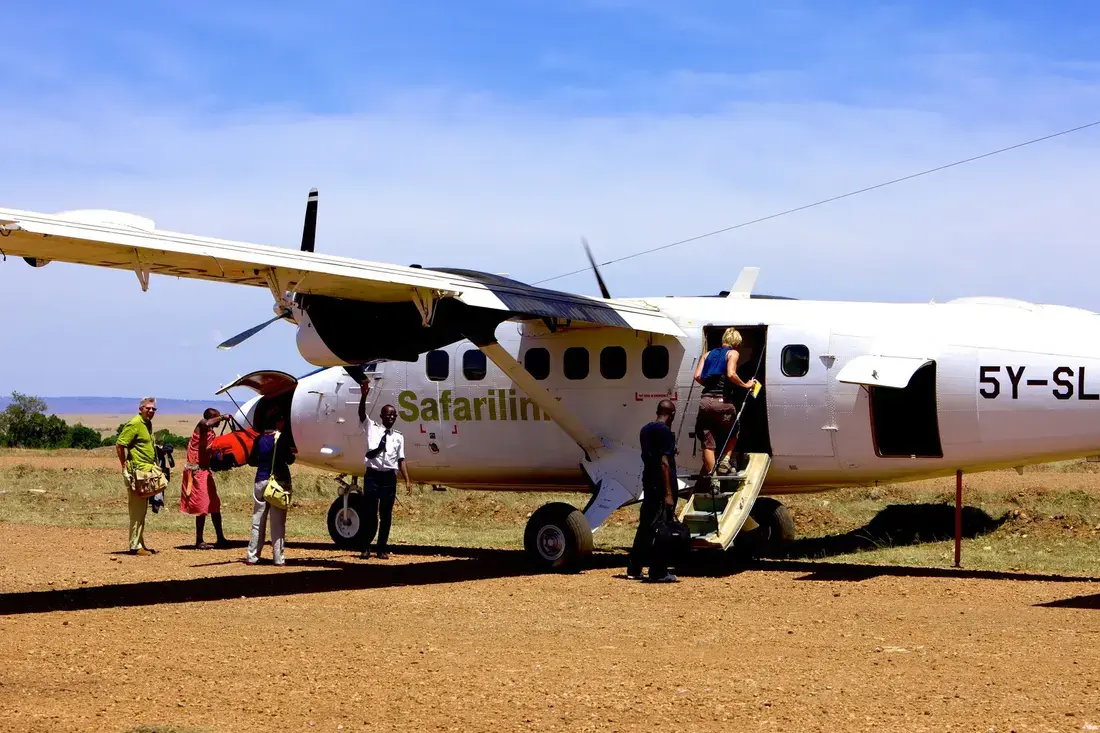
Scheduled flight from Wilson Airport: approximately 45 minutes, around US$200–350 return per person in 2026
Getting to Serengeti National Park:
Road transfer from Arusha: 6–8 hours to central Serengeti, cost typically folded into multi-day safari quotes but effectively US$100+ per person per day for vehicle and guide
Internal flights from Arusha/Kilimanjaro: flights to airstrips like Seronera or Kogatende often US$300–550+ return per person in 2026
Because of the Mara’s shorter driving distances and a competitive domestic flight market in Kenya, access is usually cheaper—especially for 2–4 day trips where you’re not amortizing transport costs over a full week.
Park fees and conservation charges: who actually has lower daily fees?
Park entry and conservation fees are a fixed daily cost per traveler and can make up a large share of the total bill, particularly on short stays.
Approximate 2026 fees (subject to change):
Destination | Adult Non-Resident Daily Fee | Notes |
|---|---|---|
Masai Mara National Reserve | US$100 (low season) / US$200 (peak season) | 12-hour ticket validity in some periods |
Serengeti National Park | US$70 (peak) / US$60 (low season) | Plus concession fee of ~US$60–70 if staying inside park |
Here’s the calculation that surprises many travelers: while the Serengeti’s base entry fee appears cheaper, once you add lodge concession fees for staying inside the park, the combined daily cost often reaches US$130–140 per person. Meanwhile, Masai Mara’s sharp fee increases since 2023 have narrowed or even reversed what used to be a clear gap.
Differences in park fees alone are now modest; the bigger savings tend to come from access and accommodation rather than the ticket price at the gate.
Accommodation costs: nights in Masai Mara vs Serengeti
Lodging is usually the single largest budget item, and both destinations offer everything from basic tented camps to ultra-luxury lodges with private plunge pools.
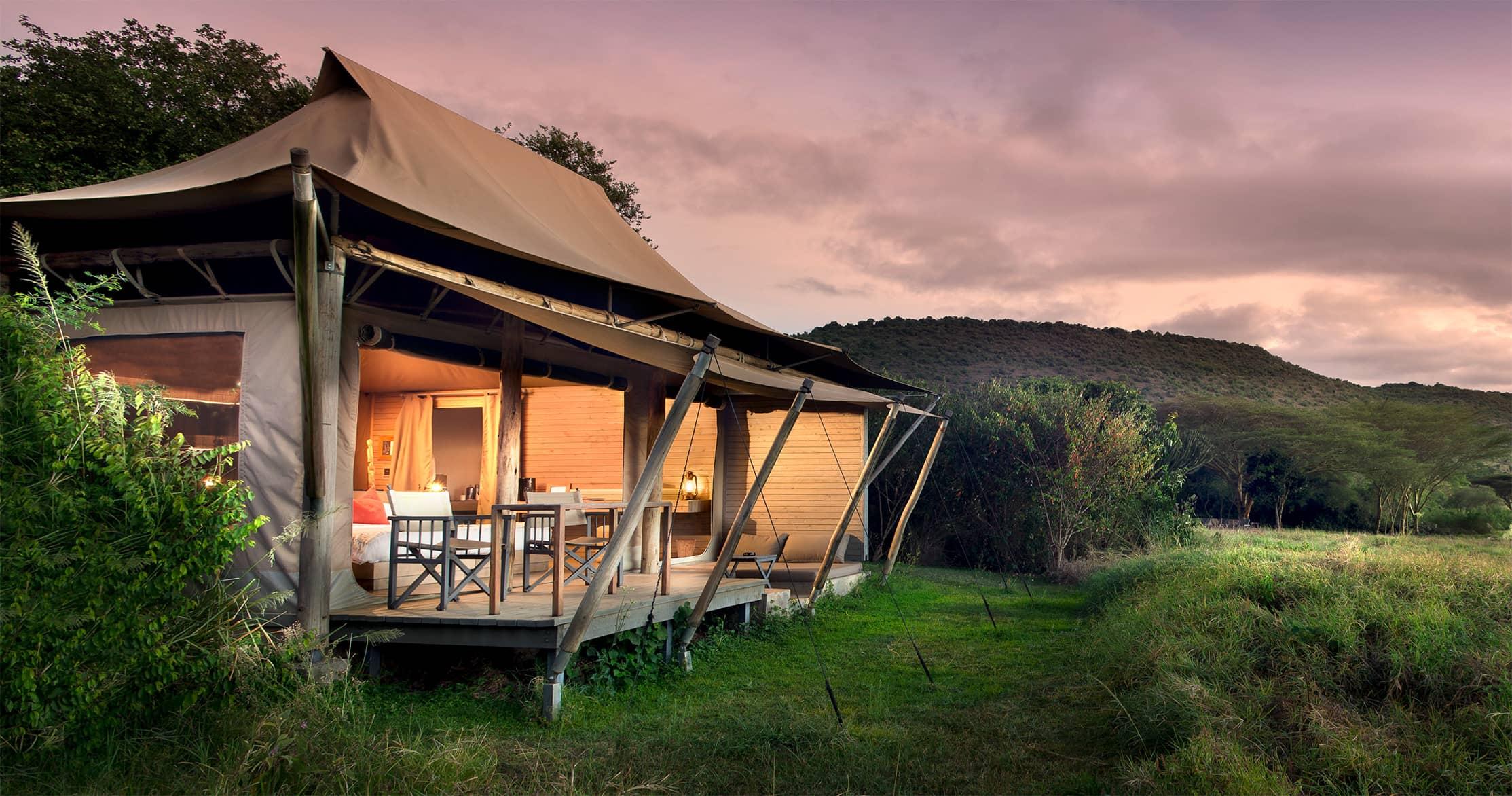
Masai Mara nightly price bands (2024–2025, per person sharing):
Category | Price Range | Typical Location |
|---|---|---|
Budget tented camps | US$50–150 pppn | Outside reserve gates |
Mid-range lodges/tented camps | US$180–350 pppn | Edge of reserve or conservancies |
Luxury camps | US$450–1,200+ pppn | Inside reserve or private conservancies |
Serengeti nightly price bands: | ||
Category | Price Range | Typical Location |
Budget camping/mobile tents | US$100–200 pppn | Group tours, basic facilities |
Mid-range lodges/tented camps | US$250–450 pppn | Central Serengeti or park boundary |
Luxury lodges/mobile camps | US$600–1,500+ pppn | Northern Serengeti, river crossing sites |
The Mara generally has more competition at the budget and lower mid-range level, keeping prices slightly lower. Serengeti’s remoteness—especially in the northern sectors near the Mara River—pushes logistics costs higher, which lodges pass on to guests.
Safari package prices: 3, 5 and 7-night examples
Most visitors buy packaged itineraries that combine transport, park fees, game drives, and accommodation. Comparing package prices is the clearest way to answer “which is cheaper” in practice.
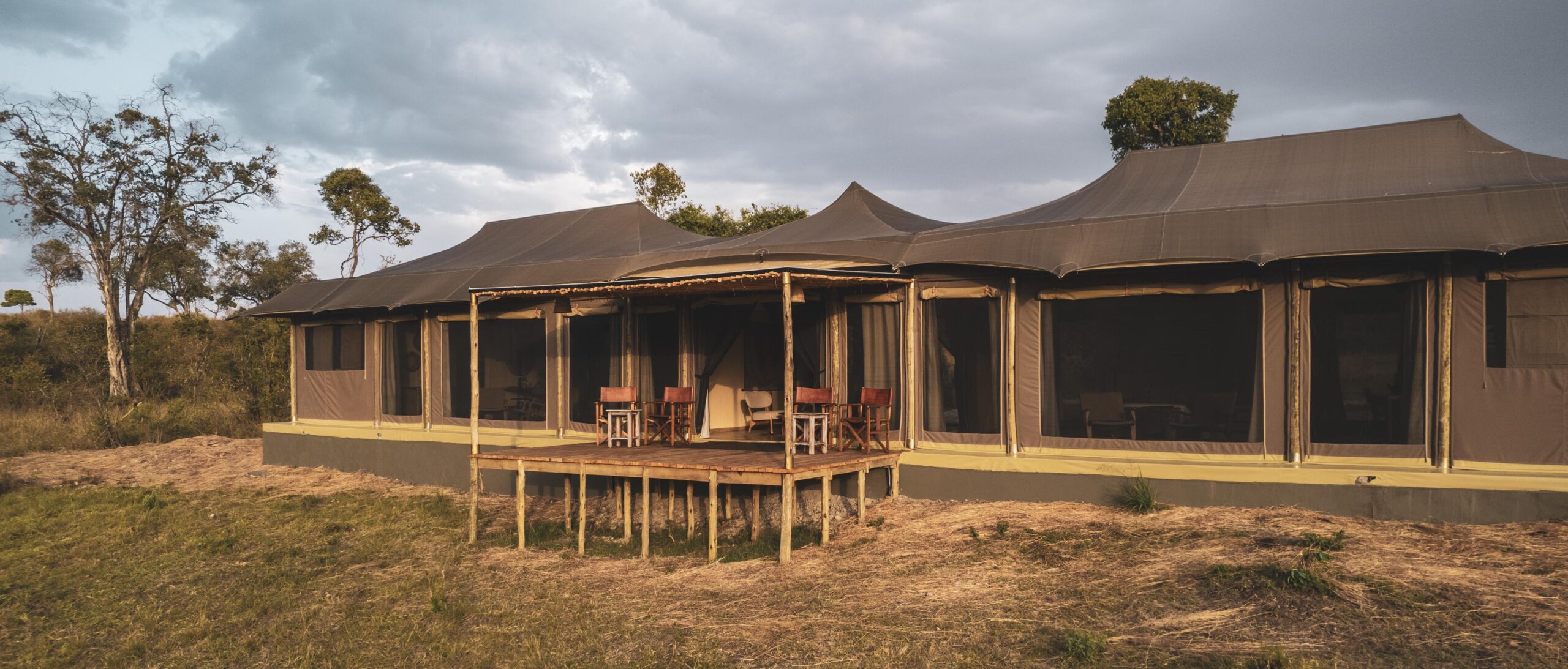
Sample Masai Mara packages such as a 3 days Masai Mara safari illustrate how short, budget-friendly trips can keep overall costs lower than many Serengeti options:
3 days / 2 nights (low season, April–June 2026): US$450–650 per person, basic tented camp, shared vehicle, all game drives included
3 days / 2 nights (high season, August 2026): US$700–1,200 per person for budget to mid-range group tours; luxury private tours can exceed US$2,000 per person
Sample Serengeti packages:
4 days / 3 nights northern circuit (July–September 2026): US$1,500–2,800 per person depending on lodge level and group size
7–8 night Tanzania circuit (Tarangire–Ngorongoro–Serengeti): US$2,500–4,500+ per person at mid-range level
For comparison on longer trips, 5-day Kenya itineraries that combine Lake Nakuru and the Mara—for example a 5 days Lake Nakuru – Masai Mara family safari—show how adding a second park in Kenya still often prices below equivalent northern Tanzania circuits:
A “Kenya-only” Mara-focused circuit (Nairobi–Lake Naivasha–Masai Mara) for 7–8 nights—similar in structure to a 7 days Best of Kenya safari that links several parks—often prices in the US$1,800–3,500 per person mid-range, whereas a northern Tanzania circuit commonly falls in the US$2,500–4,500+ range.
Across like-for-like packages, the Masai Mara usually comes out several hundred dollars cheaper per person, especially on shorter itineraries where Tanzania’s longer distances inflate costs.
Seasonality: how month and migration timing affect prices
“Cheaper vs more expensive” varies drastically by month because both parks peg prices to the Great Migration and school holidays in the UK and Europe.
Peak season (July–October 2026):
Lodge rates and package prices often 30–60% higher than in March, April, or early June
Masai Mara park fees double from US$100 (low) to US$200 (peak) per day
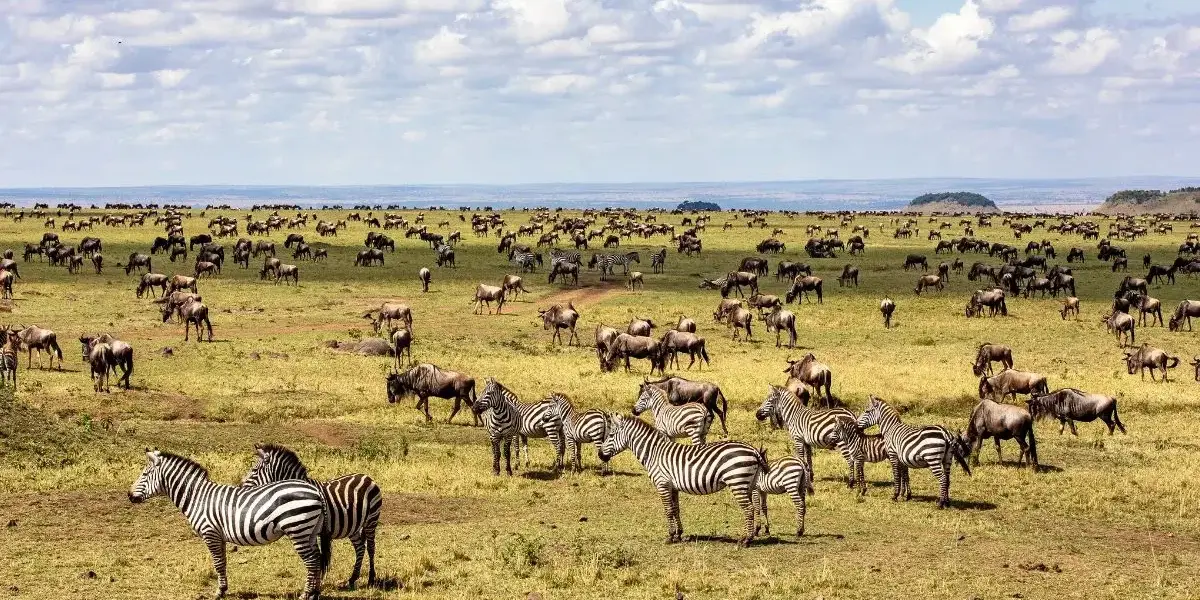
This is when wildebeests and zebras concentrate around river crossings in both parks
Value windows to explore, especially for destinations like the Serengeti National Park:
Period | Destination | Why It’s Good Value |
|---|---|---|
Late January–March | Serengeti (Ndutu area) | Calving season, dramatic predator action, lower rates |
Early June | Masai Mara | Shoulder season deals, migration building, fewer crowds |
November | Masai Mara | Post-migration shoulder, resident big cats active, reduced prices |
For strictly budget-conscious travelers, choosing shoulder or green season can save US$500–1,000+ on a one-week itinerary. In some cases, visiting the Serengeti in March becomes comparably priced to the Masai Mara in peak August.
Optional extras: balloons, cultural visits and add-on destinations
Optional experiences can significantly change the “which is cheaper” answer, especially for luxury-focused travelers looking for a complete East Africa trip.
Hot air balloon ride comparison:
Masai Mara: typically US$400–600 per person in 2026
Serengeti: often US$550–650 per person, sometimes higher in remote northern sectors due to logistics
Cultural experiences:
Maasai village visits around Masai Mara: approximately US$25 per visitor
Similar experiences near the Serengeti or Seronera River area: comparable pricing, but more remote locations may involve additional transport time

Popular add-on destinations, including classic extensions such as Ngorongoro Crater:
From Masai Mara | From Serengeti |
|---|---|
Nairobi attractions (Giraffe Centre, Sheldrick Wildlife Trust) | Ngorongoro Crater (often included in circuit) |
Kenya coast (Diani, Mombasa, Lamu) with affordable internal flights | Zanzibar (adds US$300–500+ for flights from Serengeti region) |
Lake Naivasha for hippos and boat rides | Tarangire for elephants and baobabs |
The Mara tends to be cheaper on many optional extras, and Kenya’s simpler logistics keep add-on costs lower. Flying to Zanzibar from northern Tanzania creates a more complex, higher-end circuit but adds significant expense.
Visas, border crossings and multi-country itineraries
Visiting only one country is usually cheaper and simpler than combining Kenya and Tanzania in a single trip, although dedicated 8 days Kenya–Tanzania migration safaris show how cross-border itineraries can maximize Great Migration viewing at a higher overall cost.
2026 visa costs, particularly for Kenya where detailed visa requirements and fees are well documented:
Kenya tourist visa: US$50–100 per person, and many travelers consult comprehensive Kenya safari FAQ resources when budgeting for these formalities
Tanzania tourist visa: US$50–100 per person
Cross-border safari: adds US$100–200 in visa fees alone if you visit both
Border crossing logistics:
Overland crossings between the Masai Mara and Serengeti (via Isebania or Namanga) consume substantial travel time—sometimes most of a travel day—and require:
Extra transport costs
Immigration processing time
Potential guide and vehicle changes at the border
Internal flights or charter movements that hop between Mara and Serengeti, or between Nairobi and Kilimanjaro, can easily add US$300–600 per person.
In cost terms, the cheapest approach is usually to focus on either the Masai Mara (Kenya-only) or the Serengeti within a northern Tanzania-only circuit.
Value for money: when might the Serengeti be “cheaper” per experience?
While the Masai Mara often wins on absolute price, the Serengeti can offer strong value for money in specific scenarios—especially for longer, wildlife-intensive trips.
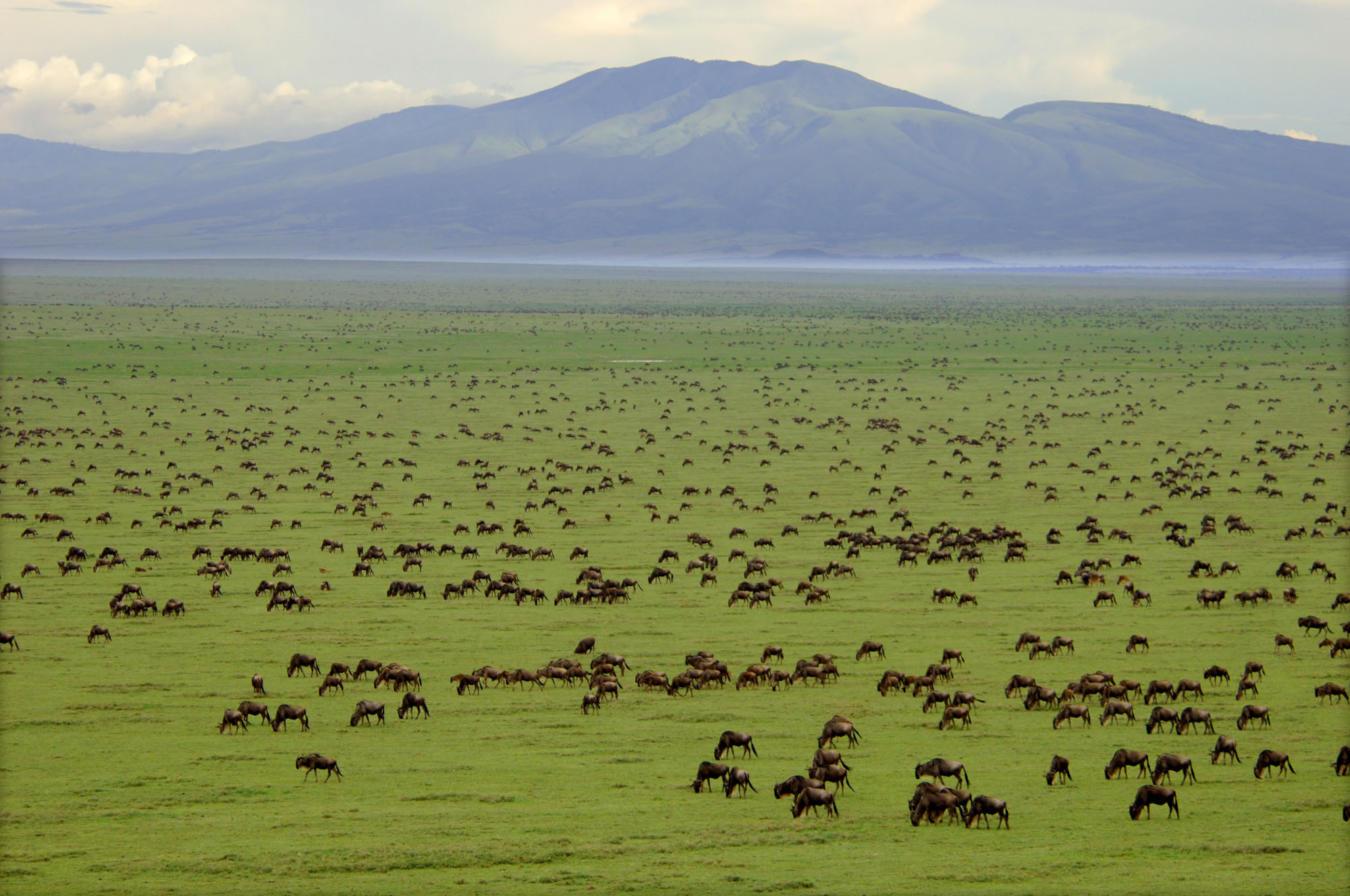
When Serengeti delivers more bang for your buck, especially on curated Kenya–Tanzania itineraries like the top Kenya and Tanzania safari packages:
September in northern Serengeti: Large volumes of Great Migration herds concentrate around the Mara River, with dramatic river crossings and big cat sightings. Even though nightly rates are higher, the density of animal sightings may feel “worth it” for serious wildlife enthusiasts.
Multi-park circuits: Northern Tanzania itineraries bundling Tarangire (elephants, giraffes, lions), Ngorongoro Crater (black rhinos, hippos, big cats in a dramatic caldera), and the Serengeti offer exceptional wildlife variety, similar in concept to broader East Africa multi-destination safari itineraries. The per-park “experience density” is very high.
Longer trips (7+ nights): The Serengeti’s sheer size—14,750 sq km versus the Mara’s 1,510 sq km—means more diverse habitats, from the Seronera River woodland to the northern migration corridors, which is why many customized East Africa safaris recommend week-long or longer stays.
For travelers prioritizing migration river crossings, predator–prey interactions, and multi-park variety over short-term savings, the Serengeti can be the more cost-effective choice in terms of wildlife “value per day.”
Practical budgeting tips: how to make either destination cheaper
Whether you choose Mara or the Serengeti, these strategies can save you hundreds of dollars, and align closely with broader safari cost guidance for Kenya trips:
Travel in shoulder season – Early June or November in the Mara, or January–March in the Serengeti’s Ndutu region; many curated Kenya safari packages are specifically priced to take advantage of these value windows
Join shared/group safaris – Private vehicles with dedicated guides cost significantly more than shared game drives
Choose simple tented camps – Mobile camps or public campsites cost a fraction of luxury lodges
Limit expensive internal flights – Focus on one region of the park rather than flying between multiple airstrips
Book 9–12 months ahead – Best availability and rates for reasonably priced lodges during peak migration
Work with reputable local operators – They often bundle transport, lodging, and park fees more transparently and negotiate better rates, and many now specialize in tailor-made safari tours that match specific budgets and travel styles.
Ask for detailed cost breakdowns – Request itemized quotes showing park fees, vehicle costs, accommodation, and flights separately
Always ask operators to separate line items so you can see exactly what makes one quote cheaper than another. Hidden fees in “all-inclusive” packages are a common mistake travelers make when planning their first safari.
Conclusion: so, which is cheaper for your safari?
In 2024–2025, the Masai Mara is generally cheaper for short, budget to mid-range safaris and easier to access from major international hubs. The Serengeti tends to be costlier but may deliver more extensive migration viewing, larger herds of wildebeests and zebras, and the option to explore multiple parks on a single circuit.
Your decision should be based on your priorities:
Absolute lowest price and shortest travel time? Masai Mara likely wins
Maximum wildlife variety and iconic river crossings? Serengeti offers more land to explore
First-time safari with limited budget? Start with Mara
Larger budget and interest in a week-long adventure? Consider Serengeti despite higher costs
Ready to start planning? Compare sample itineraries from operators in both Kenya and Tanzania, and request tailored quotes for your preferred dates and budget. The difference between a good trip and a great one often comes down to doing this homework before you sign anything.