
Overview: Why Kenya Is Africa’s Classic Safari Destination
Kenya practically invented the modern safari. When it comes to planning your trip, you’ll find some of the Top Safari Destinations in Kenya offer unforgettable wildlife experiences. Since the early 1900s, when colonial-era hunters first ventured into the savannah in pursuit of big game, this East Africa nation has shaped how the world imagines an African safari. The “Big Five” concept—lion, leopard, elephant, buffalo, and rhino—was born here, originally referring to the most dangerous animals to hunt on foot. Today, those same species draw millions of visitors armed with cameras rather than rifles.
With over 50 national parks, reserves, and dozens of private conservancies scattered across dramatically different landscapes, planning a Kenya safari can feel overwhelming. This article focuses on the most rewarding safari destinations in Kenya for both first-timers eager to tick off the classics and repeat visitors seeking something new.
The headline experiences here are hard to match anywhere else on the planet:
- Big Five sightings in predator-rich savannahs
- The Great Migration of over 1.3 million wildebeest (July–October on the Kenya side)
- Dramatic landscapes ranging from vast plains beneath snow-capped Mount Kilimanjaro to pink flamingo-fringed Rift Valley lakes
Most of these Kenya Safari destinations combine easily into a 7–14 day itinerary starting from Nairobi or Mombasa. A domestic flight network and well-maintained safari circuits mean you can witness thousands of wildebeest one morning and be watching elephants against Africa’s highest peak by afternoon.
Maasai Mara National Reserve: Iconic Big Five & Great Migration
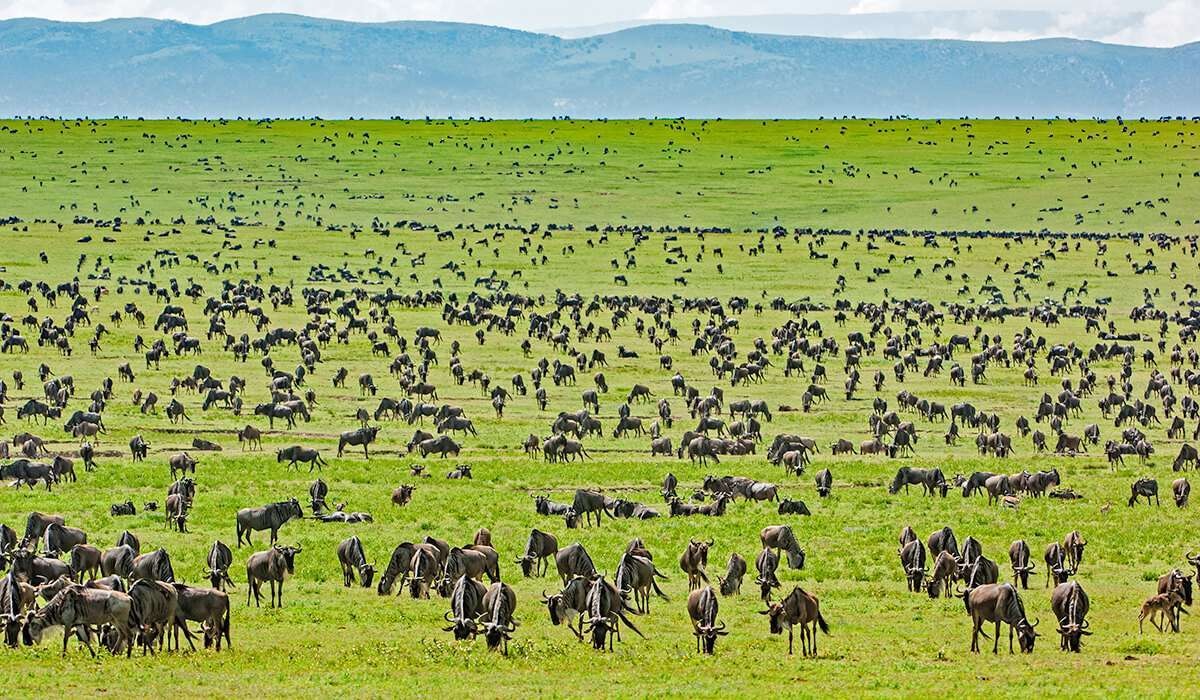
The Maasai Mara National Reserve is Kenya’s flagship safari destination and arguably the most famous wildlife area on Earth. Bordering Tanzania’s Serengeti to the south, this 1,500-square-kilometer reserve forms the northern stage for one of nature’s greatest spectacles—the Great Wildebeest Migration.
The Great Migration Timeline
The migration’s Kenya chapter typically runs from late July to early October, though exact timing shifts with the rains. During this window, approximately 1.3–1.5 million wildebeest, hundreds of thousands of zebra, and other grazers pour across the Mara River from the Serengeti in search of fresh grass.
The river crossings are what safari documentaries are made of:
- Huge herds congregate on the banks, building courage
- Crocodiles patrol the murky waters below
- The first animals plunge in, triggering a stampede of hooves, spray, and chaos
These crossings are unpredictable—you might wait hours or witness three in a day—but the drama is unmatched.
Year-Round Wildlife
Even outside migration months, the Masai Mara delivers exceptional wildlife viewing. Resident lion prides roam the golden grasslands year-round. Cheetahs hunt across the open plains, and leopards patrol the riverine forests along the Mara and Talek rivers. Many guides argue that February–March and late October–November offer superb game viewing with far fewer vehicles.
Safari Activities
A classic safari here includes:
- Dawn and dusk game drives through rolling savannah dotted with acacia trees
- Hot air balloon ride at sunrise, drifting over the plains before a champagne breakfast on the grass
- Maasai village cultural visits to learn traditional customs
Where to Stay
For the best experience, consider basing yourself in the Mara Triangle or one of the private conservancies like Olare Motorogi or Naboisho. These areas offer:
| Area | Key Advantage |
|---|---|
| Mara Triangle | Fewer vehicles, excellent predator concentrations |
| Olare Motorogi Conservancy | Night drives permitted, walking safaris available |
| Naboisho Conservancy | Intimate camps, superb guiding, off-road driving allowed |
Accommodation ranges from mid-range tented camps to ultra-luxury lodges with private plunge pools overlooking the savannah. Budget for the experience you want—classic tented camps deliver authentic atmosphere, while high-end properties add spa treatments and gourmet dining.
Amboseli National Park: Elephants with Kilimanjaro Views
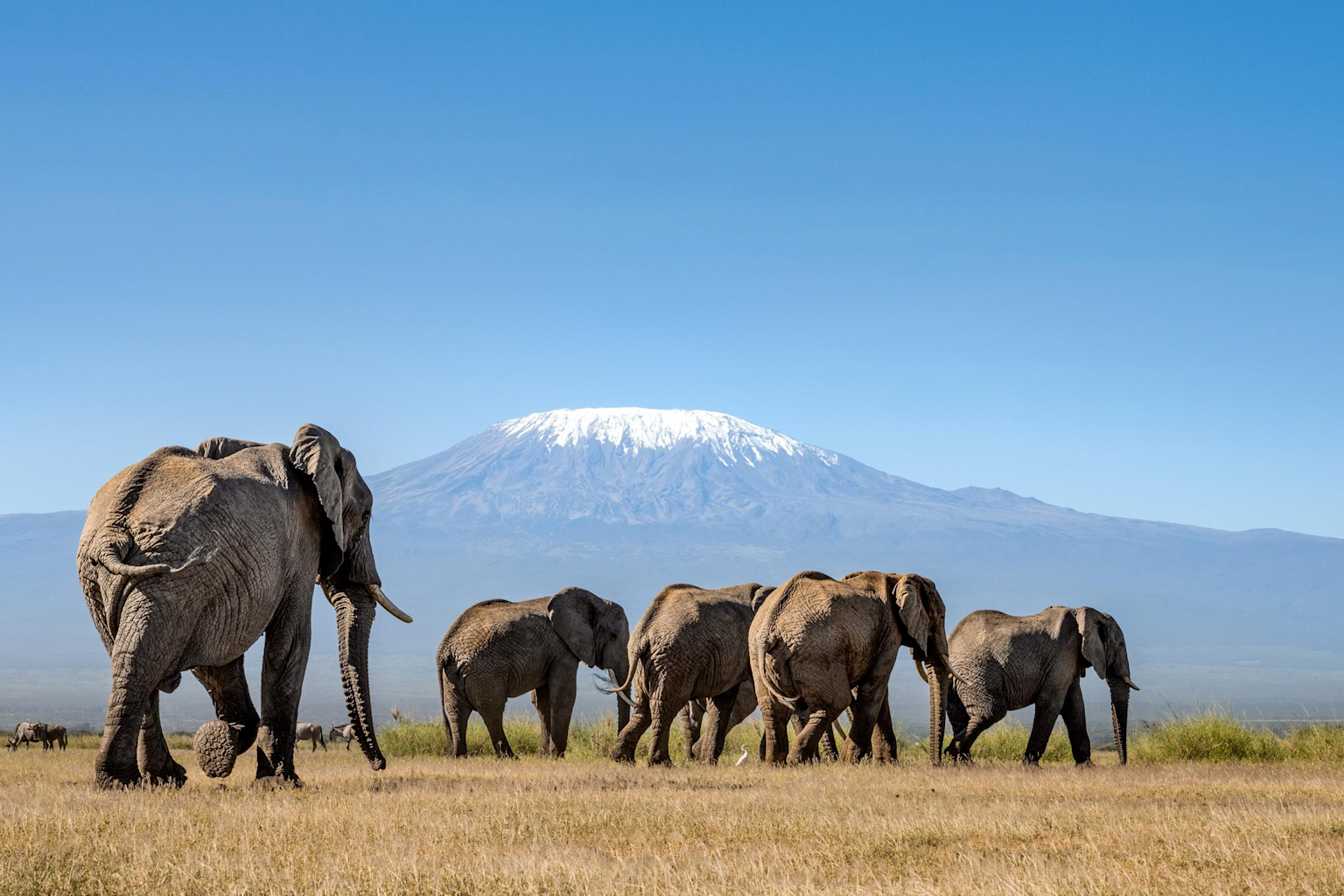
Few images capture Africa’s essence quite like a herd of elephants silhouetted against the snow-capped peak of Mount Kilimanjaro. That scene unfolds daily at Amboseli National Park, located near the Tanzania border in southern Kenya.
Elephant Paradise
Amboseli is home to over 1,000 free-ranging elephants—one of the most studied populations in the world. Researchers have documented individual animals and family groups here for decades, and many are now so habituated that they’ll walk within meters of your vehicle. The combination of open terrain and relaxed herds makes this arguably the best place in Africa for intimate elephant encounters.
On clear mornings, Mt Kilimanjaro rises behind these giants—a photograph that defines the African safari for many travelers.
Landscape and Wildlife
At just 392 square kilometers, Amboseli is compact but varied:
- Dry lakebed (Lake Amboseli, usually dry)
- Permanent swamps fed by underground meltwater from Kilimanjaro
- Acacia woodland and open savannah
The wetlands act as magnets during the dry season (June–October and January–February), concentrating elephants, buffalo, hippos, and diverse birdlife. Lions, spotted hyenas, and plains game—zebra, wildebeest, giraffe—are common sightings.
Logistics and Accommodation
Getting there:
- By road: 4–5 hours from Nairobi via Namanga
- By air: 45-minute flight to Amboseli’s airstrips
Many itineraries combine Amboseli with Tsavo (just to the east) or continue to Kenya’s Indian Ocean coast. Lodges inside the park offer waterhole-facing rooms, while conservancies and community areas on the periphery provide more secluded, exclusive alternatives.
Samburu, Shaba & Buffalo Springs: Northern Kenya’s Special Five and a top Kenya Safari Destination
Venture into northern Kenya and the landscape transforms. Samburu National Reserve, along with adjoining Shaba and Buffalo Springs reserves, hugs the Ewaso Ng’iro River in semi-arid country that feels worlds away from the Mara’s rolling grasslands.
The Samburu Special Five
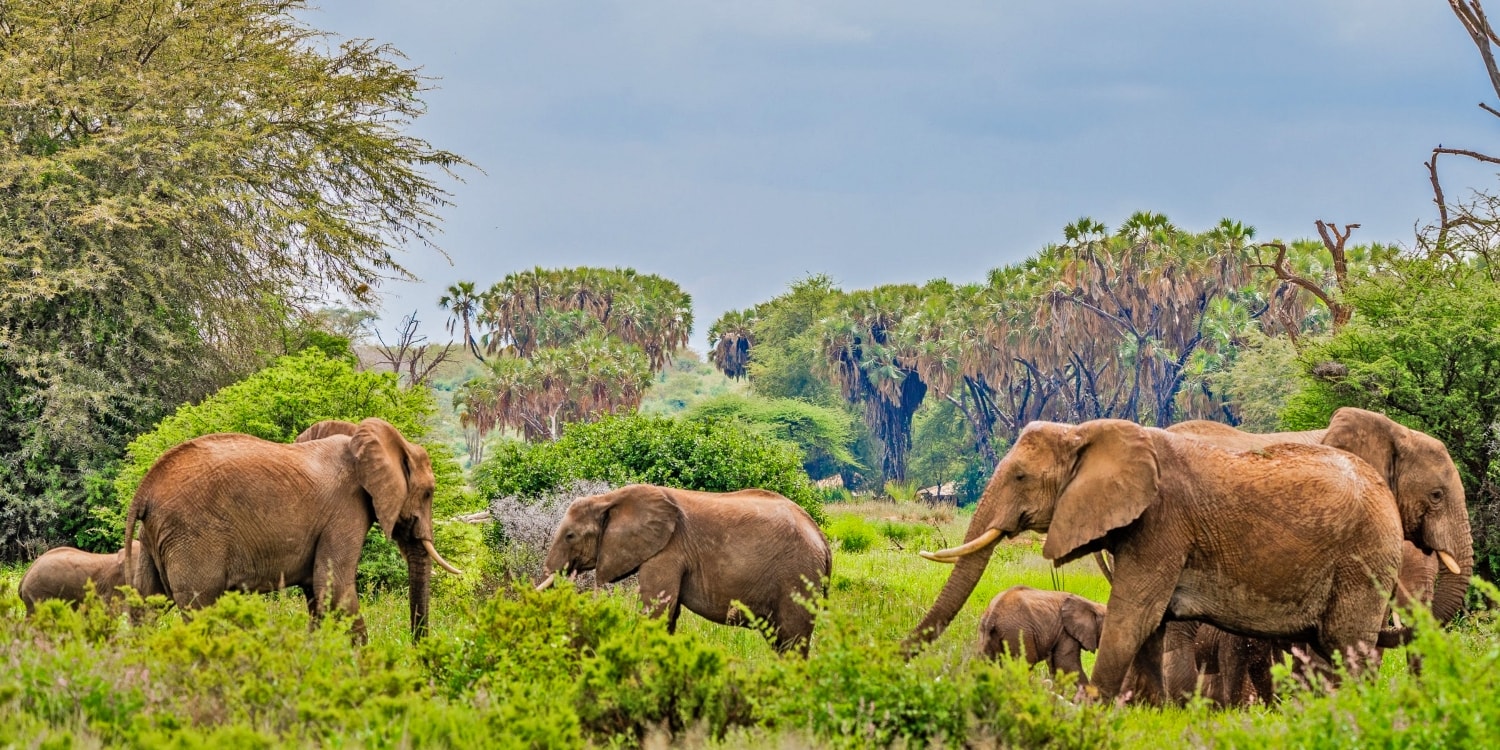
These reserves are famous for species you simply won’t find in Kenya’s southern parks:
| Species | Distinctive Feature |
|---|---|
| Grevy’s zebra | Narrow stripes, large rounded ears |
| Reticulated giraffe | Geometric, liver-colored patches |
| Somali ostrich | Blue-grey neck and legs |
| Beisa oryx | Long straight horns, striking face markings |
| Gerenuk | Long-necked antelope that stands on hind legs to browse |
Spotting all five on a single game drive is entirely possible—and deeply satisfying for wildlife enthusiasts.
Landscape and Atmosphere
Forget the sweeping green plains. Here you’ll find:
- Rugged red-earth hills
- Doum palm–lined riverbanks
- Sparse scrubland and volcanic outcrops
The Ewaso Ng’iro River is the region’s lifeline. During dry months, elephants, lions, leopards, and the unique wildlife above concentrate along its banks, making for excellent game viewing from shaded riverside camps.
A Quieter Safari
Visitor numbers in Samburu are significantly lower than in the Mara or Amboseli. If you value exclusive, crowd-free wildlife sightings and a more adventurous atmosphere, this is your destination.
Best times to visit: June–October and December–March (drier periods)
Access: 1-hour flight from Nairobi’s Wilson Airport, or a full-day scenic drive through central Kenya
Laikipia Plateau & Mount Kenya Region: Conservancies and Crowd-Free Kenya Safari Destination
The Laikipia Plateau stretches across central Kenya between the Aberdares and Mount Kenya—a patchwork of private ranches and community conservancies that together form one of Kenya’s most important wildlife areas. Almost the size of Wales, this region operates on a different model than traditional national parks.
Conservation Powerhouse
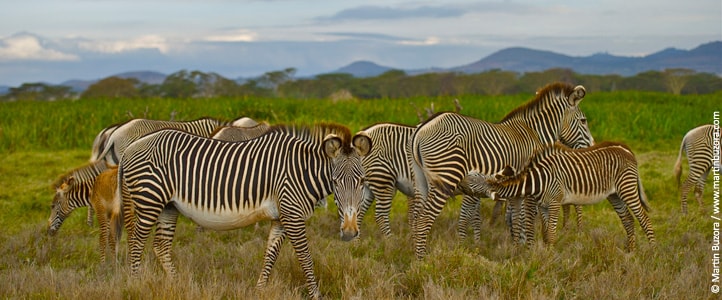
Conservancies like Lewa Wildlife Conservancy and Ol Pejeta have become global leaders in rhino conservation. Both black rhino and white rhino populations thrive here under intensive protection, and your chances of seeing these critically endangered animals are excellent.
At Ol Pejeta, you can also visit a rhino sanctuary housing some of the last northern white rhinos on Earth—a sobering but important conservation experience.
Mount Kenya National Park
While technically separate, Mount Kenya National Park combines beautifully with Laikipia. Africa’s second-highest peak offers:
- Forest game viewing (elephants, buffalo, rare bongo antelope)
- Scenic hiking on lower slopes
- Cooler highland air—a refreshing contrast to lowland heat
Beyond the Game Drive
Laikipia’s private-conservancy model means far more flexibility than in national parks:
- Guided walking safaris with armed rangers
- Night drives to spot nocturnal species like aardvark and bushbaby
- Horseback riding and camel safaris
- Cultural visits to local communities
- Conservation experiences like tracking collared elephants with researchers
Who Should Visit?
Laikipia suits families wanting varied activities, honeymooners seeking intimate lodges, and repeat safari-goers who’ve done the classics and want something different. Properties here are often small (6–12 rooms), so book well in advance, especially for peak season (June–October and January–March).
Rift Valley Lakes: Lake Nakuru, Naivasha & Crescent Island
Kenya’s Great Rift Valley slices through the country’s western highlands, creating a string of alkaline and freshwater lakes that offer a refreshing change from classic big-game destinations.
Lake Nakuru National Park
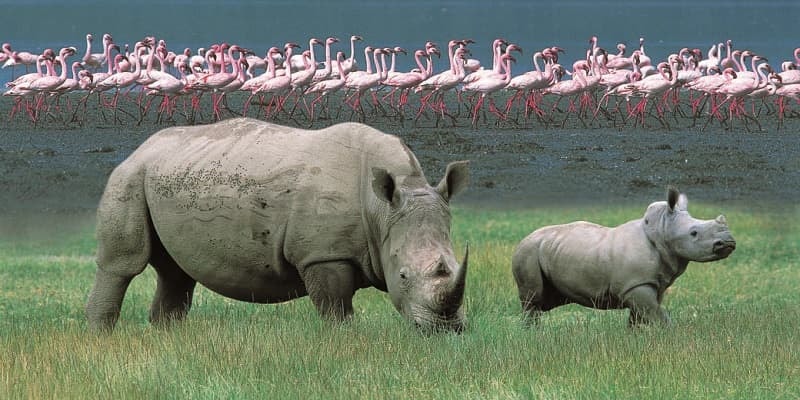
This compact park surrounding a shallow alkaline lake has long been one of Kenya’s most reliable rhino viewing destinations. Both black and white rhino populations are well-protected here, and sightings are frequent.
Beyond rhinos, expect:
- Endangered Rothschild’s giraffe
- Large buffalo herds and lions
- Rich birdlife including fish eagles and pelicans
- Pink flamingos (numbers fluctuate; sometimes they shift to nearby Lake Bogoria)
Lake Nakuru National Park is easily explored in 1–2 days, making it a classic stop on overland routes from Nairobi to the Masai Mara or western Kenya.
Lake Naivasha
Unlike Nakuru’s alkaline waters, Lake Naivasha is freshwater—and its shores are alive with activity:
- Hippo pods grazing along the papyrus-fringed banks
- Prolific birdwatching (over 400 species recorded)
- Boat safaris gliding past fish eagles and cormorants
- Spectacular views of surrounding escarpments
Crescent Island Walking Safari
Just offshore on Lake Naivasha, Crescent Island offers something rare in Kenya: guided walking safaris among giraffe, zebra, and various antelope. Because there are no large predators, you can wander on foot mere meters from wildlife—an unforgettable experience for families and photographers alike.
A Natural Break
The Rift Valley lakes work well as a gentle transition between intense big-game destinations. Mix wildlife viewing with:
- Hiking at Hell’s Gate National Park
- Cycling through volcanic gorges
- Visiting geothermal sites
Southern Safari Circuits: Tsavo East & Tsavo West. Untamed Kenya Safari Destination
Tsavo East and Tsavo West together form one of the largest protected wilderness areas in Kenya—a vast tract of wild country stretching between Nairobi and Mombasa. For travelers seeking remoteness over density, these parks deliver.
Tsavo East
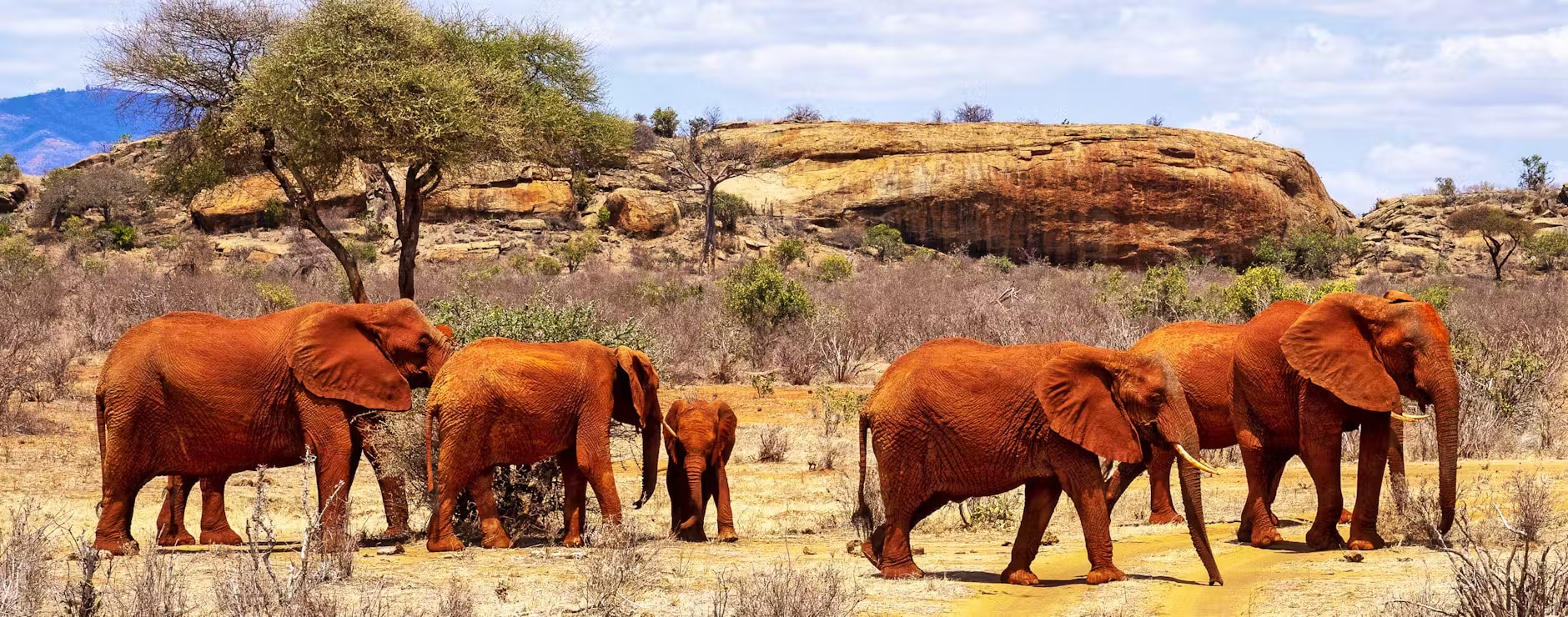
The eastern sector is Kenya’s wild frontier: flat red-earth savannah, scattered baobabs, and a palpable sense of space. Here you’ll find:
- Red-dust elephants: Herds coated in distinctive iron-rich soil
- The Yatta Plateau: One of the world’s longest lava flows
- Far fewer vehicles than the Mara or Amboseli
Wildlife densities are lower, but that’s part of the appeal. When you spot a lion pride here, you’re often alone with them.
Tsavo West
The western park offers more varied scenery:
| Feature | Experience |
|---|---|
| Volcanic hills | Dramatic landscapes for photography |
| Shetani lava flows | Recent geological history on display |
| Mzima Springs | Crystal-clear pools with underwater hippo and crocodile viewing |
| Chyulu Hills nearby | Rolling green hills, walking safaris, horseback riding |
Both parks offer Big Five potential—all five species are present—though sightings require more patience than in Kenya’s premier reserves.
Logistics
By road: 5–6 hours from Nairobi Combination: Perfect for linking an inland safari with beach stays on Kenya’s south eastern coast
Many lodges here overlook waterholes or rivers, offering spectacular views of wildlife coming to drink between game drives.
Coast & Islands: Beach Add-Ons to a Kenya Safari
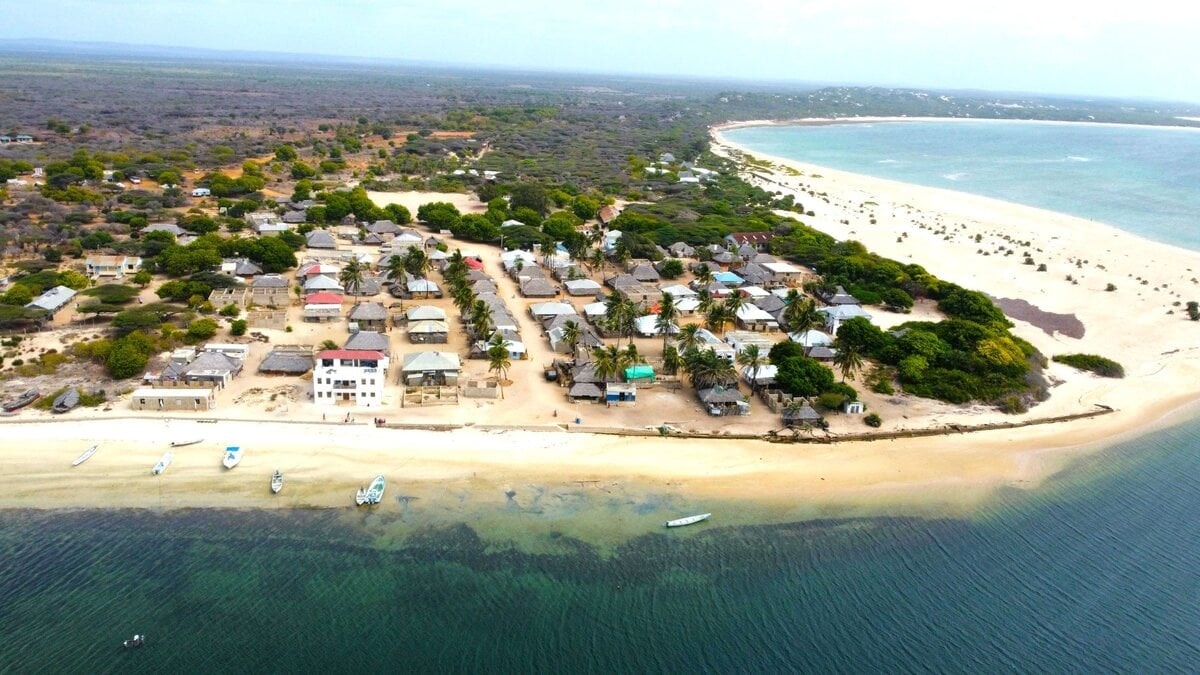
After days of dusty game drives, few things feel better than soft white sand between your toes. Kenya’s Indian Ocean coast offers the perfect safari finale, from resort beaches to historic Swahili islands.
The Lamu Archipelago
For something truly special, head to Lamu and its neighbouring islands:
- Car-free streets in a UNESCO World Heritage town
- Traditional dhow boats sailing turquoise waters
- Excellent snorkeling and diving on coral reefs
- Arabic-influenced Swahili architecture dating back centuries
Lamu appeals to travelers seeking culture and tranquility over resort amenities.
Diani Beach and Watamu
For families and those wanting more accessible options:
Diani Beach (south of Mombasa):
- Wide stretch of white sand
- Full-service resort hotels
- Water sports, marine parks, and day trips
Watamu (north of Mombasa):
- Quieter atmosphere
- Excellent snorkeling in marine reserves
- Nearby Gede Ruins (ancient Swahili settlement)
Creating a Balanced Itinerary
A well-rounded Kenya trip typically combines:
| Segment | Low Season April – Jun |
Mid Season
Jan – Mar, Nov – Dec |
Peak Season
July – Oct |
|
|---|---|---|---|---|
| 3 Days Masai Mara Road safari | 2 pax | |||
| 4 Days Masai Mara Flying Safari | 2 Pax | |||
This balance lets you explore diverse wildlife and Kenya’s unique scenery before unwinding by the ocean.
Best seasons for safari-and-beach: December–March and July–October. Avoid the heaviest rains in April and early May, when some coastal roads become challenging and safari conditions deteriorate.
Practical Tips for Planning a Kenya Safari
With so many superb safari options across the country, the key is matching destinations to your priorities and available time.
When to go:
- June–October: Peak wildlife viewing, Great Migration in the Mara, dry conditions
- January–March: Wildebeest calving season (in Tanzania), fewer crowds, excellent weather
- April–May: Heaviest rains, many camps close, lower prices for the adventurous
Getting around: Start in Nairobi—either Jomo Kenyatta International Airport for long-haul flights or Wilson Airport for domestic bush flights. Most camps operate scheduled flights connecting major destinations, with road transfers working well for closer parks like Naivasha and Nakuru.
Health and paperwork:
- Apply for a Kenya eVisa online before arrival
- Ensure routine vaccinations are current; yellow fever may be required depending on your travel history
- Take malaria precautions for all lowland safari parks
Whether you’re drawn to the lion king drama of the Mara, the elusive leopard in Laikipia’s conservancies, or the unique scenery of the Great Rift Valley, there’s a Kenyan safari that fits your dreams. Start by shortlisting 2–4 of the destinations covered here as the backbone of your itinerary—then let an experienced operator help you connect the dots for an unforgettable trip through one of Africa’s most beautiful countries.