Kenya Travel Guide
Explore the Wild: 5 Must-See Safari Parks in Kenya Beyond Maasai Mara
The Maasai Mara often steals the spotlight, but Kenya has so much more to offer. Discover five incredible safari parks worth adding to your itinerary.
Plan Your Safari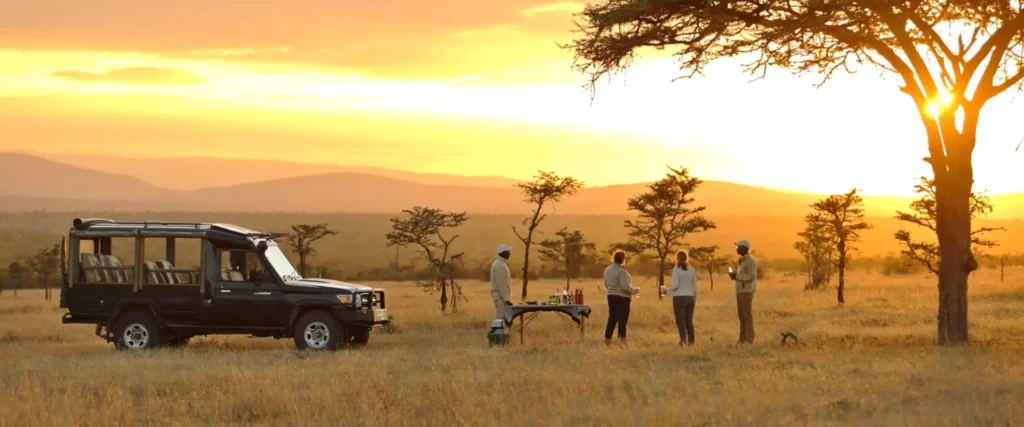 While the Maasai Mara often steals the spotlight as arguably Kenya's most famous safari destination, Kenya is home to a wealth of stunning safari parks just waiting to be explored. Venture beyond the iconic landscapes of the Mara and uncover hidden gems where wildlife roams freely and breathtaking scenery captivates the soul. From the lush wetlands of Amboseli to the rugged terrain of Tsavo, each park offers a unique glimpse into the heart of Africa’s rich biodiversity. Whether you’re in pursuit of the Big Five or hoping to witness rare species in their natural habitats, these five must-see safari parks will delight both seasoned travelers and first-time adventurers alike. Buckle up for an unforgettable journey through the wild, where every moment is a chance to connect with nature and create lasting memories. Join us as we delve into the diverse experiences that await you in Kenya’s lesser-known safari destinations!
Introduction to Kenya Safari
Kenya, nestled in the heart of East Africa, stands as one of the world’s most iconic safari destinations. With its sweeping rolling plains, dramatic escarpments, and snow-capped peaks of Mount Kenya, the country offers a breathtaking backdrop for any wildlife adventure. Kenya’s national parks and reserves, such as Meru National Park, Samburu National Reserve, and Nairobi National Park, are renowned for their abundant wildlife and diverse landscapes, making every visit a unique experience. A Kenya safari promises unforgettable wildlife encounters, from tracking the Big Five to spotting endangered species like the black rhino in their natural habitat. The annual Great Migration in the Maasai Mara is a spectacle like no other, as millions of wildebeest and zebras thunder across the savannah in search of fresh grazing. Beyond the Maasai Mara, parks like Tsavo East and Tsavo West offer vast wilderness areas teeming with wildlife, while the scenic shores of Lake Naivasha provide opportunities for boat safaris and birdwatching. Whether you’re embarking on thrilling game drives, exploring the wild on walking safaris, or simply soaking in the beauty of Kenya’s national parks, each day brings new discoveries. From the lush forests of Meru National Park to the arid beauty of Samburu National Reserve, Kenya’s protected areas showcase the very best of East Africa’s natural wonders. No matter where your journey takes you, a Kenya safari is sure to leave you with memories of awe-inspiring landscapes and extraordinary wildlife encounters.Introduction to Kenya Safari
Kenya, nestled in the heart of East Africa, stands as one of the world’s most iconic safari destinations. With its sweeping rolling plains, dramatic escarpments, and snow-capped peaks of Mount Kenya, the country offers a breathtaking backdrop for any wildlife adventure. Kenya’s national parks and reserves, such as Meru National Park, Samburu National Reserve, and Nairobi National Park, are renowned for their abundant wildlife and diverse landscapes, making every visit a unique experience. A Kenya safari promises unforgettable wildlife encounters, from tracking the Big Five to spotting endangered species like the black rhino in their natural habitat. The annual Great Migration in the Maasai Mara is a spectacle like no other, as millions of wildebeest and zebras thunder across the savannah in search of fresh grazing. Beyond the Maasai Mara, parks like Tsavo East and Tsavo West offer vast wilderness areas teeming with wildlife, while the scenic shores of Lake Naivasha provide opportunities for boat safaris and birdwatching. Whether you’re embarking on thrilling game drives, exploring the wild on walking safaris, or simply soaking in the beauty of Kenya’s national parks, each day brings new discoveries. From the lush forests of Meru National Park to the arid beauty of Samburu National Reserve, Kenya’s protected areas showcase the very best of East Africa’s natural wonders. No matter where your journey takes you, a Kenya safari is sure to leave you with memories of awe-inspiring landscapes and extraordinary wildlife encounters.Key Takeaways
- Meru National Park offers a peaceful retreat with diverse landscapes and abundant wildlife, making it an ideal destination for nature lovers.
- Samburu National Reserve is known for its unique wildlife, including the ‘Samburu Special Five,’ and provides enriching cultural interactions with local communities.
- Amboseli National Park features iconic elephant herds and breathtaking views of Mount Kilimanjaro, enhancing both wildlife and cultural experiences for visitors.
Discover Tranquility at Meru National Park
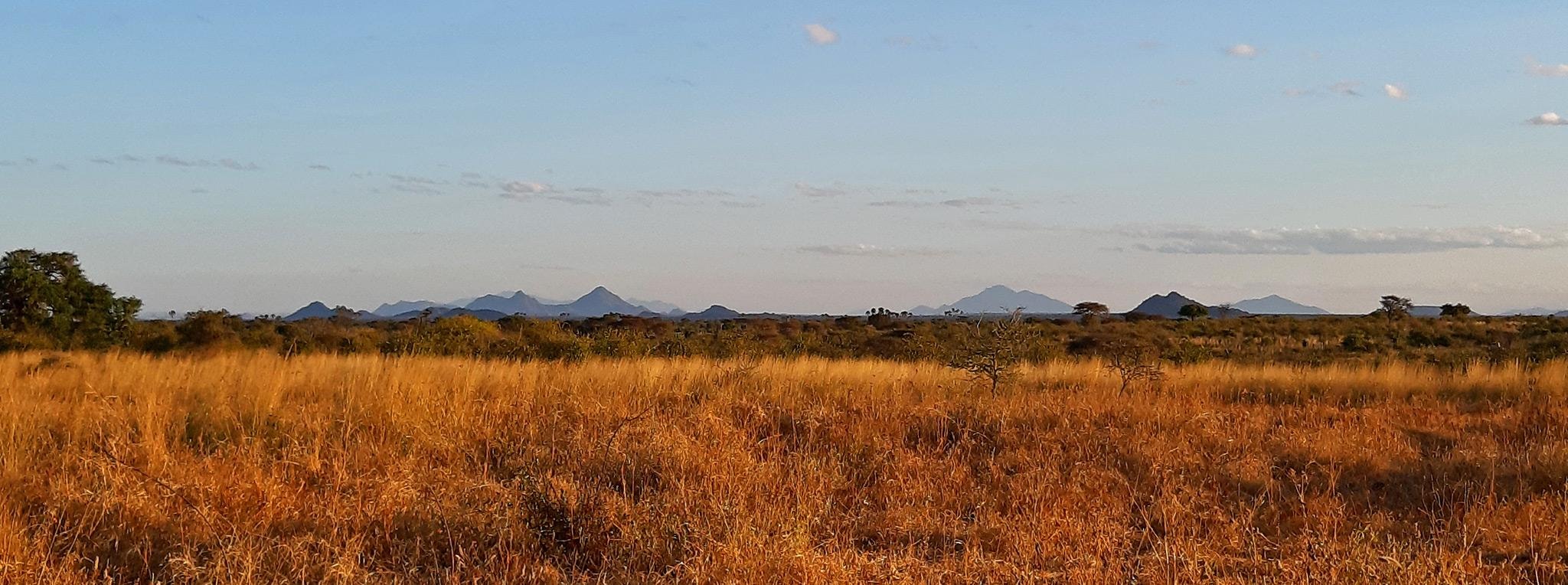 Meru National Park provides a tranquil sanctuary away from the bustling crowds for those seeking a peaceful retreat into nature. Nestled on the eastern slopes of Mount Kenya in central Kenya, Meru National Park is a hidden gem. The park’s serene environment is perfect for anyone looking to reconnect with nature in solitude.
The park’s landscape is a stunning mosaic of riverine forests, open savannahs, and swamps. This diverse topography not only provides a feast for the eyes but also supports a wide array of wildlife. Walking safaris through these varied terrains reveal a mesmerizing and enlightening tapestry of flora and fauna.
Home to the Big Five—lion, leopard, elephant, buffalo, and rhino—Meru National Park is a prime destination for wildlife enthusiasts. Beyond the big cats and the Big Five, visitors can also spot cheetahs and hippos, as well as over 300 species of birds. The park’s abundant wildlife and Kenya’s wildlife ensure that every game drive or guided bush walk is filled with thrilling sightings and unforgettable moments.
One of the park’s most enchanting features is its array of rivers and river banks, which are perfect for boat safaris. These excursions offer a different perspective of the park and are an excellent way to observe hippos and crocodiles in their natural habitat. As you glide along the water, the serenity of the surroundings and the calls of the wild create an atmosphere of pure tranquility.
Meru National Park is arguably Kenya’s testament to Kenya’s natural beauty and biodiversity. Its peaceful ambiance, diverse landscapes, and abundant wildlife make it an essential stop on any Kenya safari itinerary, including a visit to the Masai Mara. Whether you’re enjoying a walking safari through its lush forests or a boat safari along its gentle rivers, Meru promises a safari experience that is both relaxing and rejuvenating.
Meru National Park provides a tranquil sanctuary away from the bustling crowds for those seeking a peaceful retreat into nature. Nestled on the eastern slopes of Mount Kenya in central Kenya, Meru National Park is a hidden gem. The park’s serene environment is perfect for anyone looking to reconnect with nature in solitude.
The park’s landscape is a stunning mosaic of riverine forests, open savannahs, and swamps. This diverse topography not only provides a feast for the eyes but also supports a wide array of wildlife. Walking safaris through these varied terrains reveal a mesmerizing and enlightening tapestry of flora and fauna.
Home to the Big Five—lion, leopard, elephant, buffalo, and rhino—Meru National Park is a prime destination for wildlife enthusiasts. Beyond the big cats and the Big Five, visitors can also spot cheetahs and hippos, as well as over 300 species of birds. The park’s abundant wildlife and Kenya’s wildlife ensure that every game drive or guided bush walk is filled with thrilling sightings and unforgettable moments.
One of the park’s most enchanting features is its array of rivers and river banks, which are perfect for boat safaris. These excursions offer a different perspective of the park and are an excellent way to observe hippos and crocodiles in their natural habitat. As you glide along the water, the serenity of the surroundings and the calls of the wild create an atmosphere of pure tranquility.
Meru National Park is arguably Kenya’s testament to Kenya’s natural beauty and biodiversity. Its peaceful ambiance, diverse landscapes, and abundant wildlife make it an essential stop on any Kenya safari itinerary, including a visit to the Masai Mara. Whether you’re enjoying a walking safari through its lush forests or a boat safari along its gentle rivers, Meru promises a safari experience that is both relaxing and rejuvenating.
Unique Wildlife Encounters in Samburu National Reserve
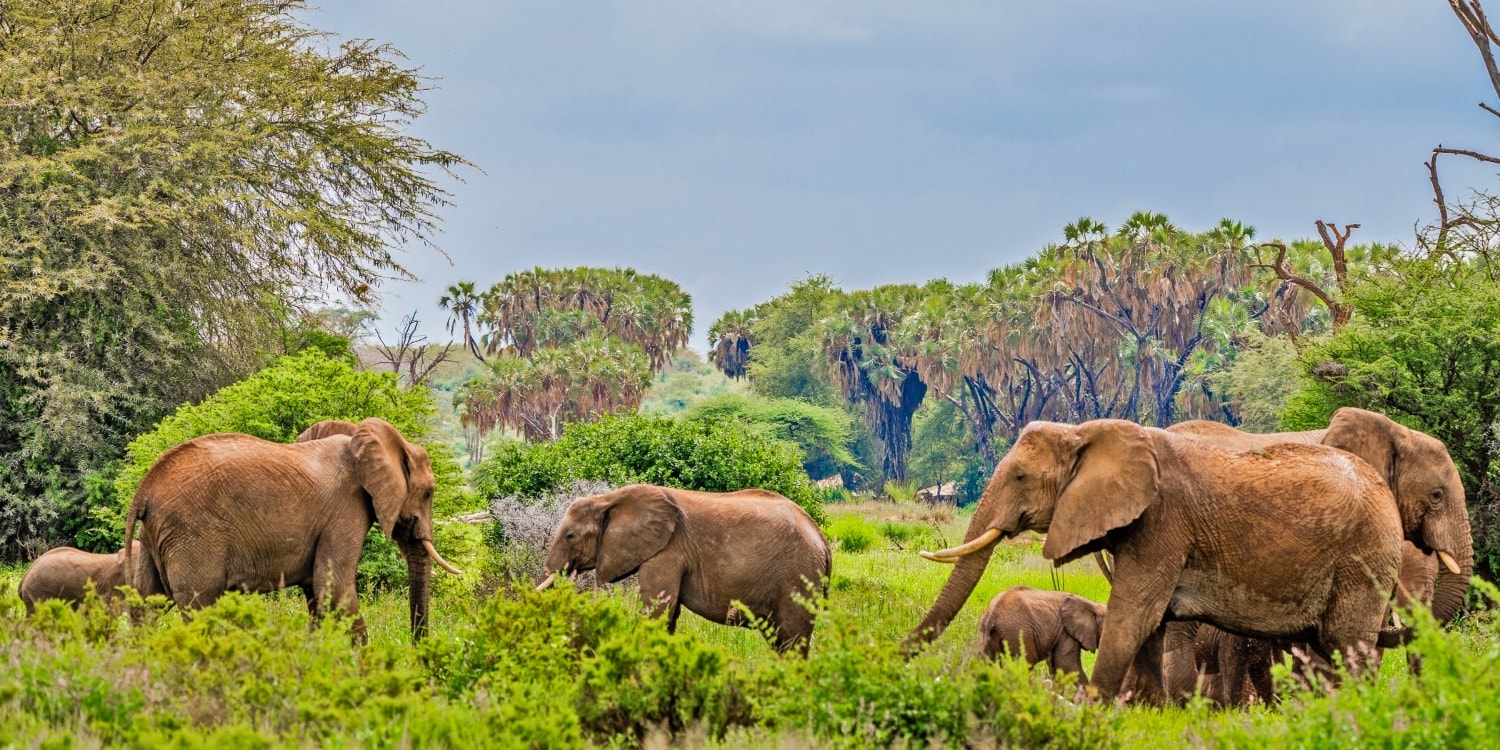 Samburu National Reserve, located in the arid northern region of Kenya, offers a starkly different yet equally captivating safari experience. The reserve is known for its unique wildlife species, often referred to as the Samburu Special Five: Grevy’s zebra, reticulated giraffe, Somali ostrich, gerenuk, and Beisa oryx. These rare animals are adapted to the harsh conditions of the region, making a safari in Samburu a distinctive experience compared to other parks.
The Ewaso Ng’iro River, which flows through the reserve, is a lifeline for the wildlife in Samburu. During game drives, visitors can spot elephants, lions, leopards, and cheetahs congregating along the riverbanks. The river also attracts numerous bird species, making Samburu a paradise for birdwatchers. The reserve’s rugged terrain, characterized by rocky outcrops and dry riverbeds, adds to the dramatic and raw beauty of the landscape.
Samburu is not just about wildlife; it is also rich in cultural heritage. The semi-nomadic Samburu people, closely related to the Maasai, inhabit this region and maintain a traditional, semi-nomadic lifestyle. Visiting Samburu villages provides a unique opportunity to learn about their customs, rituals, and daily activities. The vibrant beadwork, colorful attire, and traditional dances of the Samburu people create a cultural tapestry that is as mesmerizing as the wildlife. Samburu National Reserve offers a holistic safari experience, blending exceptional wildlife viewing with immersive cultural encounters.
Samburu National Reserve, located in the arid northern region of Kenya, offers a starkly different yet equally captivating safari experience. The reserve is known for its unique wildlife species, often referred to as the Samburu Special Five: Grevy’s zebra, reticulated giraffe, Somali ostrich, gerenuk, and Beisa oryx. These rare animals are adapted to the harsh conditions of the region, making a safari in Samburu a distinctive experience compared to other parks.
The Ewaso Ng’iro River, which flows through the reserve, is a lifeline for the wildlife in Samburu. During game drives, visitors can spot elephants, lions, leopards, and cheetahs congregating along the riverbanks. The river also attracts numerous bird species, making Samburu a paradise for birdwatchers. The reserve’s rugged terrain, characterized by rocky outcrops and dry riverbeds, adds to the dramatic and raw beauty of the landscape.
Samburu is not just about wildlife; it is also rich in cultural heritage. The semi-nomadic Samburu people, closely related to the Maasai, inhabit this region and maintain a traditional, semi-nomadic lifestyle. Visiting Samburu villages provides a unique opportunity to learn about their customs, rituals, and daily activities. The vibrant beadwork, colorful attire, and traditional dances of the Samburu people create a cultural tapestry that is as mesmerizing as the wildlife. Samburu National Reserve offers a holistic safari experience, blending exceptional wildlife viewing with immersive cultural encounters.
Elephants and Mount Kilimanjaro at Amboseli National Park
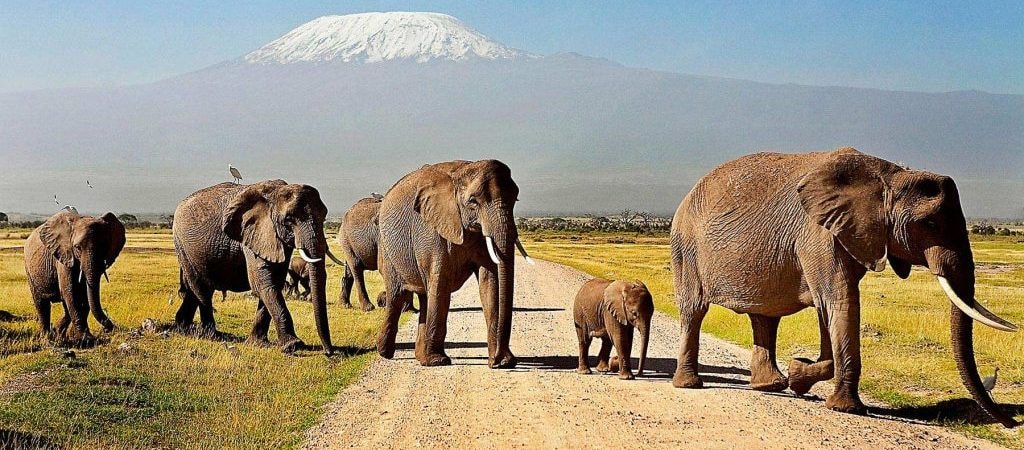 Nestled at the foot of Mount Kilimanjaro, Amboseli National Park is renowned for its large elephant herds and stunning views of Africa’s highest peak. The park’s lush wetlands and dry savannahs create a unique ecosystem that supports a variety of wildlife. Amboseli is conveniently located within easy reach of Kenya's capital city, Nairobi, making it an accessible safari destination for visitors. Its position near the Kenya-Tanzania border provides iconic views of Mount Kilimanjaro and influences the movement of wildlife across the region. Elephants, with their impressive size and gentle demeanor, are the undisputed stars of Amboseli. Visitors can witness these magnificent creatures up close, often against the backdrop of the snow-capped Kilimanjaro, creating a picture-perfect moment.
Amboseli’s diverse habitats also host a plethora of other wildlife, including lions, cheetahs, Maasai giraffes, giraffes, and zebras. The park’s swamps, fed by underground rivers from Kilimanjaro’s melting snows, attract numerous water birds, making it a haven for birdwatchers. The Observation Hill, a popular spot within the park, offers panoramic views of the entire Amboseli landscape, allowing visitors to spot wildlife from a unique vantage point.
Cultural experiences in Amboseli are equally enriching. The park is located near the Maasai communities, offering visitors a chance to learn about the Maasai culture and traditions. Interacting with the Maasai people, visiting their villages, and witnessing traditional dances provide a deeper understanding of their harmonious relationship with nature. Amboseli National Park, with its breathtaking scenery and abundant wildlife, promises an unforgettable safari adventure that combines natural beauty with cultural immersion.
Nestled at the foot of Mount Kilimanjaro, Amboseli National Park is renowned for its large elephant herds and stunning views of Africa’s highest peak. The park’s lush wetlands and dry savannahs create a unique ecosystem that supports a variety of wildlife. Amboseli is conveniently located within easy reach of Kenya's capital city, Nairobi, making it an accessible safari destination for visitors. Its position near the Kenya-Tanzania border provides iconic views of Mount Kilimanjaro and influences the movement of wildlife across the region. Elephants, with their impressive size and gentle demeanor, are the undisputed stars of Amboseli. Visitors can witness these magnificent creatures up close, often against the backdrop of the snow-capped Kilimanjaro, creating a picture-perfect moment.
Amboseli’s diverse habitats also host a plethora of other wildlife, including lions, cheetahs, Maasai giraffes, giraffes, and zebras. The park’s swamps, fed by underground rivers from Kilimanjaro’s melting snows, attract numerous water birds, making it a haven for birdwatchers. The Observation Hill, a popular spot within the park, offers panoramic views of the entire Amboseli landscape, allowing visitors to spot wildlife from a unique vantage point.
Cultural experiences in Amboseli are equally enriching. The park is located near the Maasai communities, offering visitors a chance to learn about the Maasai culture and traditions. Interacting with the Maasai people, visiting their villages, and witnessing traditional dances provide a deeper understanding of their harmonious relationship with nature. Amboseli National Park, with its breathtaking scenery and abundant wildlife, promises an unforgettable safari adventure that combines natural beauty with cultural immersion.
Aberdare National Park: Majestic Landscapes and Wildlife
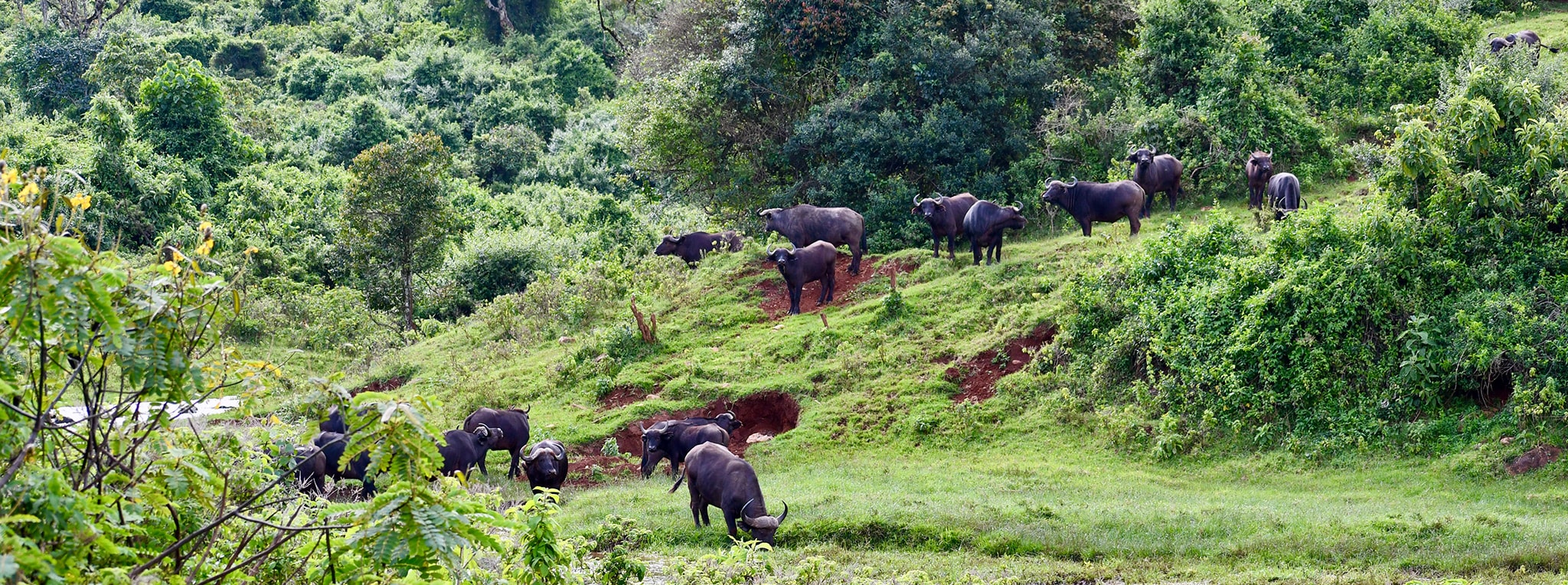 Nestled in the central highlands of Kenya, Aberdare National Park is a hidden gem known for its lush forests, cascading waterfalls, and mountainous terrain. The park’s diverse habitats range from bamboo forests to alpine moorlands, supporting a wide array of wildlife. Aberdare is one of the few places where you can spot the elusive bongo antelope, a rare and strikingly beautiful species. The park is also home to elephants, buffalos, leopards, and numerous bird species, making it a haven for wildlife enthusiasts.
Aberdare’s scenic beauty is unparalleled. The park’s numerous waterfalls, including Karuru Falls and Chania Falls, offer breathtaking views and serene picnic spots. The Aberdare Range, with its mist-covered peaks, creates a mystical atmosphere that is perfect for nature walks and hikes. Visitors can explore the park’s trails, leading to stunning viewpoints and hidden gems. The dense forests and lush vegetation provide a tranquil retreat, away from the hustle and bustle of city life.
Aberdare National Park also holds historical significance. The park was a favorite retreat of the late Queen Elizabeth, who stayed at the Treetops Lodge during her visit to Kenya. The lodge, built on stilts, offers a unique vantage point for wildlife viewing. Guests can observe animals such as elephants and buffalos from the comfort of their rooms, making for an unforgettable experience. Aberdare National Park, with its majestic landscapes and rich wildlife, promises a serene and captivating safari adventure that is unlike any other
Nestled in the central highlands of Kenya, Aberdare National Park is a hidden gem known for its lush forests, cascading waterfalls, and mountainous terrain. The park’s diverse habitats range from bamboo forests to alpine moorlands, supporting a wide array of wildlife. Aberdare is one of the few places where you can spot the elusive bongo antelope, a rare and strikingly beautiful species. The park is also home to elephants, buffalos, leopards, and numerous bird species, making it a haven for wildlife enthusiasts.
Aberdare’s scenic beauty is unparalleled. The park’s numerous waterfalls, including Karuru Falls and Chania Falls, offer breathtaking views and serene picnic spots. The Aberdare Range, with its mist-covered peaks, creates a mystical atmosphere that is perfect for nature walks and hikes. Visitors can explore the park’s trails, leading to stunning viewpoints and hidden gems. The dense forests and lush vegetation provide a tranquil retreat, away from the hustle and bustle of city life.
Aberdare National Park also holds historical significance. The park was a favorite retreat of the late Queen Elizabeth, who stayed at the Treetops Lodge during her visit to Kenya. The lodge, built on stilts, offers a unique vantage point for wildlife viewing. Guests can observe animals such as elephants and buffalos from the comfort of their rooms, making for an unforgettable experience. Aberdare National Park, with its majestic landscapes and rich wildlife, promises a serene and captivating safari adventure that is unlike any other
Lake Nakuru National Park: A Birdwatcher's Paradise
Diverse Landscapes of Tsavo East and West National Parks
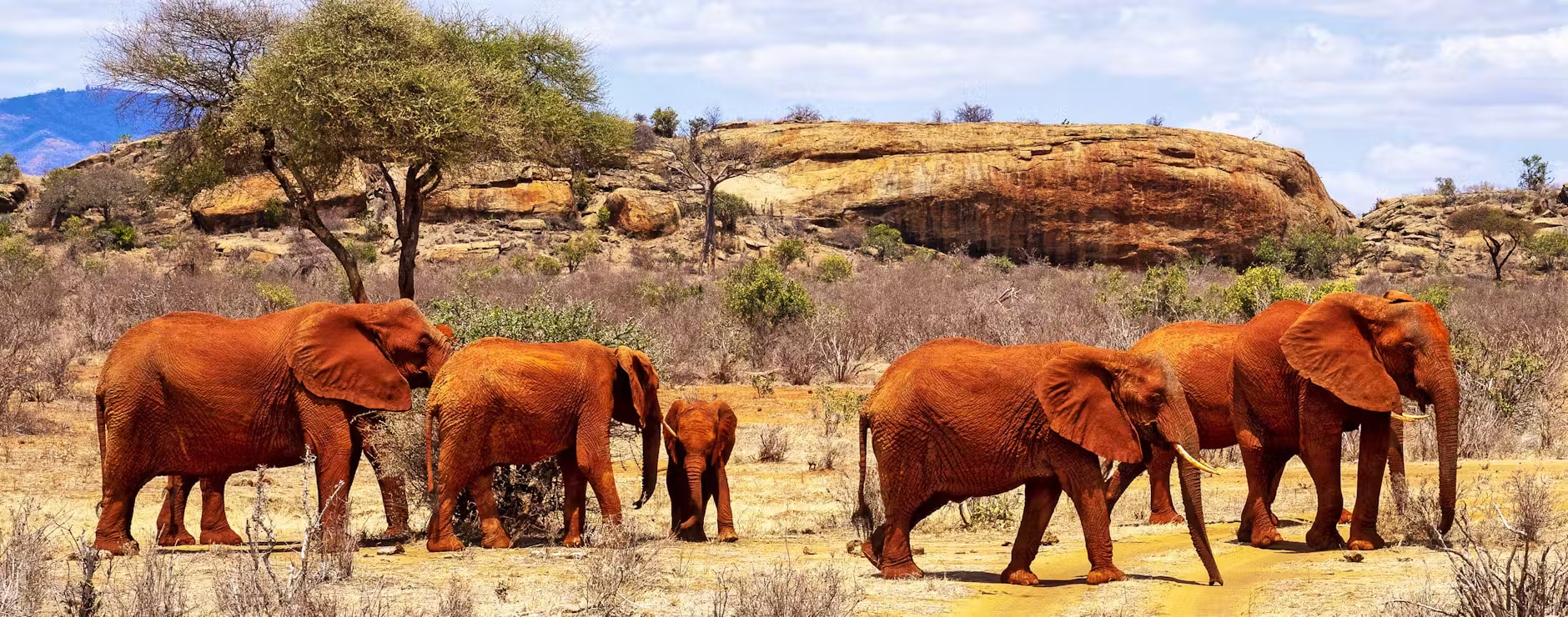 Tsavo East and West National Parks, forming one of Kenya’s national parks, offer visitors a chance to explore diverse and dramatic landscapes. Renowned for vast open spaces, striking volcanic landscapes, and abundant wildlife, these parks are among the best safari parks for any safari enthusiast.
Tsavo East is famous for its iconic red elephants, their distinctive color coming from the park’s red volcanic soil. Watching these magnificent creatures against the backdrop of Tsavo’s sweeping grasslands is a sight to behold. The park is also home to large herds of lions and leopards, ensuring that every game drive is filled with thrilling wildlife encounters.
Tsavo West, on the other hand, is characterized by its rugged hills and dense forests. Notable features include Mudanda Rock, a natural viewpoint offering panoramic views of the park, and Mzima Springs, where crystal-clear waters attract a variety of wildlife. The park is also home to hot springs, which serve as unique geothermal attractions, providing visitors with opportunities to experience both relaxation and the park’s remarkable natural scenery. The park’s volcanic landscapes and lush vegetation provide a stark contrast to the arid plains of Tsavo East, making for a diverse and visually stimulating safari experience.
Visitors can explore the famous Shetani Lava Flow, a vast expanse of solidified lava offering a glimpse into the region’s volcanic hills past. This unique feature, along with the dramatic landscapes and abundant wildlife, makes Tsavo West fascinating for nature lovers and adventure seekers.
To appreciate Tsavo East and West fully, visitors should devote sufficient time to exploring both parks. Each park offers unique experiences and landscapes, from the red elephants of Tsavo East to the rugged hills and volcanic features of Tsavo West. Together, they provide a comprehensive and unforgettable safari experience that showcases the best of Kenya’s national parks.
For those seeking to immerse in Kenya’s wild beauty, visiting Tsavo East and West is essential. The parks’ diverse landscapes, abundant wildlife, and striking geographical features ensure that every moment spent here is filled with wonder and awe. Whether exploring Tsavo East’s sweeping grasslands or Tsavo West’s volcanic landscapes, these parks promise an exhilarating and deeply rewarding adventure.
Tsavo East and West National Parks, forming one of Kenya’s national parks, offer visitors a chance to explore diverse and dramatic landscapes. Renowned for vast open spaces, striking volcanic landscapes, and abundant wildlife, these parks are among the best safari parks for any safari enthusiast.
Tsavo East is famous for its iconic red elephants, their distinctive color coming from the park’s red volcanic soil. Watching these magnificent creatures against the backdrop of Tsavo’s sweeping grasslands is a sight to behold. The park is also home to large herds of lions and leopards, ensuring that every game drive is filled with thrilling wildlife encounters.
Tsavo West, on the other hand, is characterized by its rugged hills and dense forests. Notable features include Mudanda Rock, a natural viewpoint offering panoramic views of the park, and Mzima Springs, where crystal-clear waters attract a variety of wildlife. The park is also home to hot springs, which serve as unique geothermal attractions, providing visitors with opportunities to experience both relaxation and the park’s remarkable natural scenery. The park’s volcanic landscapes and lush vegetation provide a stark contrast to the arid plains of Tsavo East, making for a diverse and visually stimulating safari experience.
Visitors can explore the famous Shetani Lava Flow, a vast expanse of solidified lava offering a glimpse into the region’s volcanic hills past. This unique feature, along with the dramatic landscapes and abundant wildlife, makes Tsavo West fascinating for nature lovers and adventure seekers.
To appreciate Tsavo East and West fully, visitors should devote sufficient time to exploring both parks. Each park offers unique experiences and landscapes, from the red elephants of Tsavo East to the rugged hills and volcanic features of Tsavo West. Together, they provide a comprehensive and unforgettable safari experience that showcases the best of Kenya’s national parks.
For those seeking to immerse in Kenya’s wild beauty, visiting Tsavo East and West is essential. The parks’ diverse landscapes, abundant wildlife, and striking geographical features ensure that every moment spent here is filled with wonder and awe. Whether exploring Tsavo East’s sweeping grasslands or Tsavo West’s volcanic landscapes, these parks promise an exhilarating and deeply rewarding adventure.
Conservation Efforts at Lewa Wildlife Conservancy
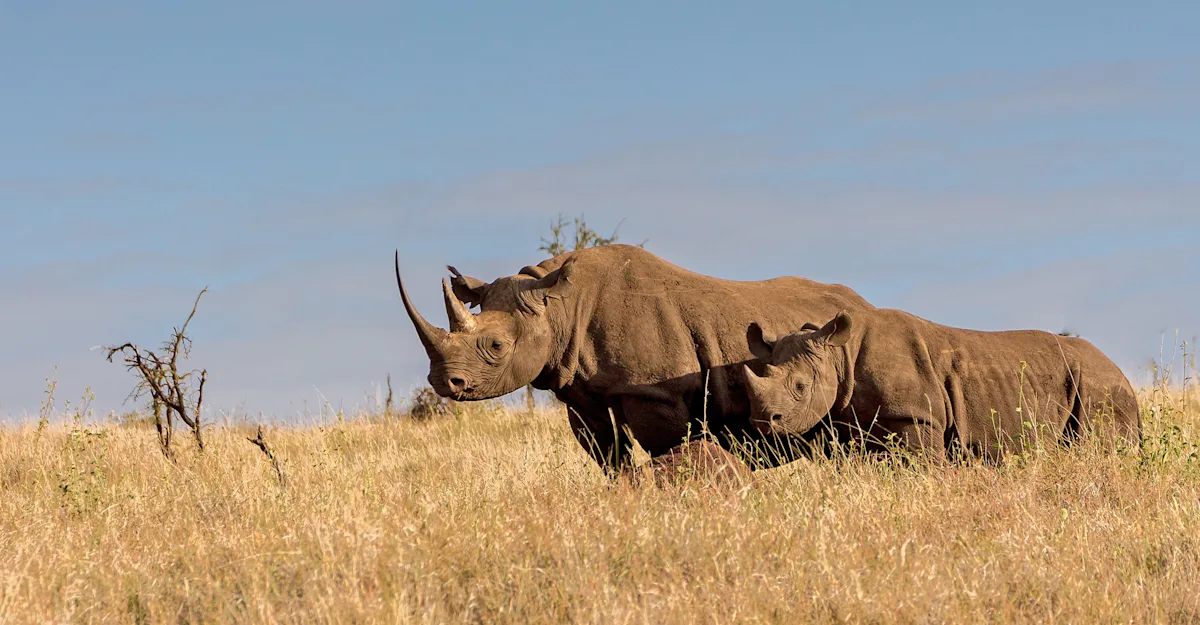 Lewa Wildlife Conservancy in northern Kenya exemplifies successful conservation efforts and serves as a model for wildlife preservation. This conservancy is particularly renowned for its work with black rhinos, housing approximately 14% of Kenya’s black rhino population. Its commitment to conservation and community involvement has made Lewa a leader in the field.
In addition to black rhinos, Lewa Wildlife Conservancy is home to a diverse range of species. These includes: Lions, Leopards, Elephants, Buffalo, Wild dogs and Grevy’s zebras
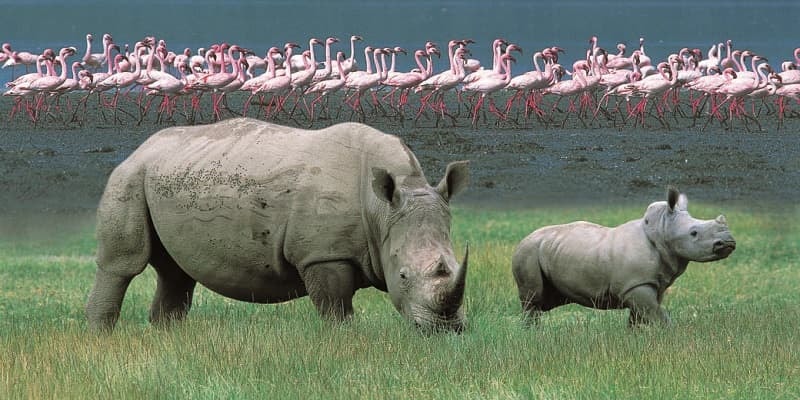
The conservancy also boasts over 450 bird species, including fish eagles, making it a paradise for bird enthusiasts. The rich diversity of wildlife ensures that every visit to the Olare Motorogi conservancy is filled with exciting sightings and unforgettable encounters.
Community involvement is central to Lewa’s conservation strategy. Tourism fees contribute to land leasing and community projects, ensuring that local communities benefit directly from conservation projects. This approach supports sustainable tourism and fosters a sense of ownership and responsibility among the local population.
Robust anti-poaching measures are also part of Lewa’s conservation efforts, proving highly effective in protecting its wildlife. The conservancy employs dedicated rangers and uses advanced technology to monitor and safeguard its animals. These efforts have significantly reduced poaching incidents, contributing to Lewa’s conservation success.
<p><p>Visitors to Lewa can engage in a variety of activities, including guided bush walks, game drives, and cultural visits to nearby communities. These activities offer a deeper understanding of the conservancy’s work and the balance between wildlife preservation and community development. Lewa’s commitment to conservation and sustainable tourism makes it a truly unique destination that offers both educational and enriching experiences.
Lewa Wildlife Conservancy stands as a testament to what dedicated conservation efforts and community collaboration can achieve. Its success in protecting endangered species, fostering sustainable tourism, and supporting local communities serves as an inspiring example for conservation initiatives worldwide. A visit to Lewa is more than a safari; It’s a journey into the heart of conservation and a chance to witness the impact of collective efforts in preserving Kenya’s wildlife.
Lewa Wildlife Conservancy in northern Kenya exemplifies successful conservation efforts and serves as a model for wildlife preservation. This conservancy is particularly renowned for its work with black rhinos, housing approximately 14% of Kenya’s black rhino population. Its commitment to conservation and community involvement has made Lewa a leader in the field.
In addition to black rhinos, Lewa Wildlife Conservancy is home to a diverse range of species. These includes: Lions, Leopards, Elephants, Buffalo, Wild dogs and Grevy’s zebras
The conservancy also boasts over 450 bird species, including fish eagles, making it a paradise for bird enthusiasts. The rich diversity of wildlife ensures that every visit to the Olare Motorogi conservancy is filled with exciting sightings and unforgettable encounters.
Community involvement is central to Lewa’s conservation strategy. Tourism fees contribute to land leasing and community projects, ensuring that local communities benefit directly from conservation projects. This approach supports sustainable tourism and fosters a sense of ownership and responsibility among the local population.
Robust anti-poaching measures are also part of Lewa’s conservation efforts, proving highly effective in protecting its wildlife. The conservancy employs dedicated rangers and uses advanced technology to monitor and safeguard its animals. These efforts have significantly reduced poaching incidents, contributing to Lewa’s conservation success.
<p><p>Visitors to Lewa can engage in a variety of activities, including guided bush walks, game drives, and cultural visits to nearby communities. These activities offer a deeper understanding of the conservancy’s work and the balance between wildlife preservation and community development. Lewa’s commitment to conservation and sustainable tourism makes it a truly unique destination that offers both educational and enriching experiences.
Lewa Wildlife Conservancy stands as a testament to what dedicated conservation efforts and community collaboration can achieve. Its success in protecting endangered species, fostering sustainable tourism, and supporting local communities serves as an inspiring example for conservation initiatives worldwide. A visit to Lewa is more than a safari; It’s a journey into the heart of conservation and a chance to witness the impact of collective efforts in preserving Kenya’s wildlife.
Planning Your Safari
<p>Planning your Kenya safari is the first step toward an unforgettable adventure. A little preparation goes a long way in ensuring a seamless experience. Start by considering the best time to visit. While the dry season from July to October is ideal for wildlife viewing and coincides with the dramatic Great Migration in the Maasai Mara, other parks like Amboseli National Park and Lake Nakuru National Park offer excellent wildlife sightings year-round. Each season brings its own unique charm, from lush green landscapes to concentrated wildlife around water sources. Choosing the right national park or reserve is key to tailoring your safari experience. For those seeking tranquility and diverse landscapes, Meru National Park and Samburu National Reserve provide exceptional game drives, walking safaris, and even boat safaris on nearby lakes. If you’re a bird enthusiast or hoping to spot endangered species, Lake Nakuru National Park is a must-visit. For classic big game encounters, Amboseli National Park and the rolling plains of the Maasai Mara never disappoint. When selecting safari lodges or camps, look for those that actively support conservation projects and collaborate with local communities. This not only enhances your safari experience but also contributes to the protection of Kenya’s wildlife and natural habitats. Many lodges offer guided bush walks, cultural visits, and opportunities to learn about ongoing conservation efforts, adding depth to your adventure. <p>With so many national parks and reserves to choose from, careful research and planning will help you make the most of your Kenya safari. Whether you’re drawn to the iconic sights of the Great Migration, the serenity of a walking safari in Meru, or the vibrant birdlife of Lake Nakuru, Kenya’s national parks promise a safari experience filled with remarkable wildlife sightings and lasting memories.Frequently Asked Questions
What makes Meru National Park a unique safari destination?
<p>Meru National Park is a unique safari destination thanks to its serene, less crowded environment and stunning variety of landscapes teeming with wildlife, including the Big Five and over 300 bird species. It's the perfect place to connect with nature and witness incredible biodiversity!What unique wildlife can be found in Samburu National Reserve?
<p>Samburu National Reserve offers a chance to see unique wildlife like Grevy's zebra, Somali ostrich, reticulated giraffe, gerenuk, and Beisa oryx, making it a fantastic destination for nature enthusiasts!Why is Amboseli National Park famous?
Amboseli National Park is famous for its magnificent elephant herds and breathtaking views of Mount Kilimanjaro. It's a true paradise for wildlife lovers with its rich biodiversity!What are the key features of Tsavo East and West National Parks?
Tsavo East and West National Parks boast stunning landscapes, diverse wildlife, and unique features like the famous red elephants. You can expect a remarkable safari experience filled with unforgettable encounters.How does Lewa Wildlife Conservancy contribute to conservation?
<p>Lewa Wildlife Conservancy plays a vital role in conservation by actively protecting black rhinos and engaging local communities through tourism and sustainable projects. Their commitment to anti-poaching and community involvement makes a positive impact on wildlife preservation.Best Time to Visit Kenya's Safari Parks
Timing your visit to Kenya’s safari parks can significantly impact your experience. The best time to visit varies depending on the park and the wildlife you wish to see. Generally, the dry season, from June to October, is ideal for wildlife viewing as animals congregate around water sources, making them easier to spot. This period also coincides with the Great Migration in the Maasai Mara, offering spectacular sights of wildebeests and zebras. The wet season, from November to May, brings lush greenery and vibrant landscapes, creating picturesque scenery. Although wildlife may be more dispersed, the wet season is perfect for birdwatching as migratory birds flock to the parks. Additionally, this period offers fewer crowds and lower rates, making it an excellent choice for budget travelers. Some parks, like Amboseli, offer stunning views of Mount Kilimanjaro during the wet season when the air is clear. Consider the specific attractions of each park when planning your visit. For instance, Lake Nakuru’s flamingos are best seen during the dry season when water levels are lower. Tsavo’s red elephants are visible year-round, but the dry season enhances your chances of spotting them. Researching the best time for your chosen park will ensure you maximize your safari experience and witness the wildlife you desire.Summary
Exploring Kenya’s safari parks beyond Maasai Mara offers a wealth of unique experiences and unforgettable adventures. From the tranquil beauty of Meru National Park to the unique wildlife encounters in Samburu National Reserve, each park showcases a different facet of Kenya’s rich biodiversity and stunning landscapes. Amboseli National Park’s iconic elephants and views of Mount Kilimanjaro, the diverse landscapes of Tsavo East and West, and the remarkable conservation efforts at Lewa Wildlife Conservancy all contribute to the extraordinary tapestry of Kenya’s wildlife heritage. <p>Kenya's national parks, including Maasai Mara, Amboseli, Lake Nakuru, and Naivasha, are renowned for their diversity and the abundance of Kenya's wildlife, making them a top destination for safari goers seeking authentic and varied experiences. Exclusive opportunities await in private conservancies like Mara North Conservancy, where visitors can enjoy crowd-free game viewing and witness the dramatic crossings at the Mara River during the Great Migration. High-quality safari vehicles and expert guides ensure exceptional wildlife viewing and comfort throughout your journey. Kenya's breathtaking landscapes, which inspired the iconic scenery of the Lion King, add a magical dimension to every safari adventure. <p>These parks not only provide incredible wildlife viewing opportunities but also offer a chance to connect with nature in a more intimate and meaningful way. Whether you’re drawn to the serene environment of Meru, the cultural richness of Samburu, the dramatic vistas of Amboseli, the diverse landscapes of Tsavo, or the inspiring conservation work at Lewa, each destination promises an adventure that will leave you in awe. So, pack your bags, embark on a Kenya safari, and discover the wild beauty of these lesser-known gems.Ready To Start Planning?
Tell us your travel dates and interests, and we'll put together a Kenya safari itinerary tailored to you.